
2.7.05 Use and maintenance of tyres
Learn the most important tyre rules for the German driving exam in a simple and visual way. This guide helps you quickly understand safety, tyre pressure, winter tyres, tread depth, and wheel changing.
📅 Tyre Manufacturing Date (DOT)
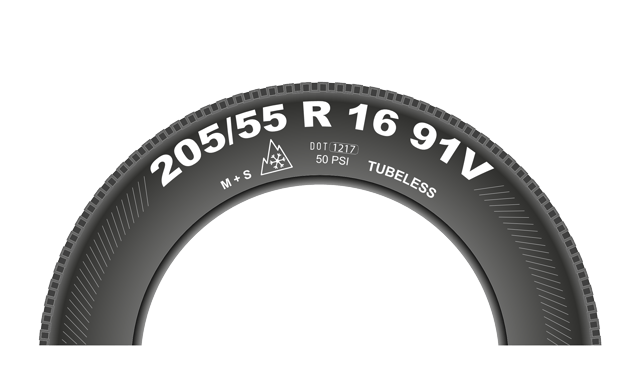
Example: 1217
- 12 = 12th week
- 17 = Year 2017
The DOT number on the tyre shows the manufacturing week and year. This helps identify the age of the tyre and whether it is still safe to use.
🛞 Tyre Pressure
✅ Correct Practice
- Check tyre pressure weekly
- Check when tyres are cold
- Check after every tyre change
- Check before long trips
- Follow manufacturer instructions
⚠️ Low Pressure Dangers
- Poor steering behaviour
- Dangerous cornering stability
- Higher tyre wear
- More fuel consumption
- Safety risk for all road users
📏 Minimum Tread Depth
Cars & Most Vehicles
1.6 mm
Legal minimum tread depth.
Mopeds
1.0 mm
Minimum tread depth for mopeds.
🔍 TWI Indicator
The Tread Wear Indicator (TWI) shows whether the tyre is worn out.
🌦️ Weather & Road Conditions
☀️ Dry Road
Best tyre grip and driving stability.
🌧️ Wet / Snow / Ice
Grip becomes much worse and braking distance increases.
🌡️ Temperature
Summer tyres become hard in cold weather. Winter tyres wear faster in heat.
❄️ Winter Tyres
Winter tyre symbols mean the tyre is suitable for snowy and winter conditions.
🚫 Maximum Speed
Do not exceed the tyre speed index.
190 km/h
After installing winter tyres, always:
- Check tyre pressure
- Follow manufacturer specifications
- Respect maximum tyre speed
⚠️ Tyre Damage & Warning Lights
Possible Causes
- Nails or foreign objects
- Missing valve cap
- Air pressure loss
- High heat from motorway driving
Tyre Pressure Warning Light
- Usually means pressure is too low
- Visually inspect tyres first
- If tyres look fine but light stays on → visit garage
🔧 Wheel Change Steps
- Park on solid anti-slip ground
- Secure vehicle against rolling
- Use manufacturer jack points
- Loosen wheel nuts while vehicle is on ground
- Lift vehicle with jack
- Remove wheel nuts
- Install wheel securely
⚠️ Important
If wheel nuts are not tightened correctly, the wheel may fall off while driving and cause a serious accident.
🛞 Spare Wheel Checks
✅ Secure Mounting
Check that the spare wheel is attached safely.
🔒 Double Lock
Important for spare wheels mounted outside the vehicle.
💨 Tyre Pressure
Check pressure regularly so it is ready in emergencies.
🧠 Quick Exam Notes
Practice Questions (4)
-
Question 1 of 4
When should you check the tyre pressure?
2.7.05-0022 PointsExplanation
You should check the tyre pressure regularly when the tyres are cold and immediately after each tyre change. It is not necessary to check after every journey.
-
Question 2 of 4
What should be noted when changing a tyre using a car jack?
2.7.05-1012 PointsExplanation
To attach the jack, the vehicle driver must use the mounting points provided by the manufacturer. A safe surface with anti-slip properties is absolutely necessary for this.
-
Question 3 of 4
You have to remove a defective tyre. In what sequence should you proceed?
2.7.05-1023 PointsExplanation
Secure the vehicle against rolling away unintentionally. Put the jack on. Loosen the wheel nuts while the vehicle is still in contact with the ground. Lift with the help of the jack. Unscrew the wheel nuts.
-
Question 4 of 4
Before beginning your journey, what do you have to check in connection with the tyres?
2.7.05-2264 Points