
1.4.41 Signo regulatorio
Una guía de estudio práctica para el examen de conducción de alemán. Conozca lo que ordenan, prohíben o permiten las señales y qué debe hacer en el tráfico real.
circulo rojo
Generalmente significa una prohibición o restricción.
circulo azul
Generalmente significa una instrucción obligatoria.
Platos extra
Limite, amplíe o explique cuándo se aplica una regla.
Cómo aprender este capítulo rápidamente
Identificar el tipo de señal
¿Es una prohibición, un comando, una regla de prioridad o una señalización vial?
Pregunta: ¿qué debo hacer?
¿Detenerse, ceder el paso, reducir la velocidad, indicar, esperar o evitar la entrada?
Verificar excepciones
Busque placas adicionales como residentes, vehículos de reparto, camino mojado o límites de tiempo.
Piensa en la acción del examen
El examen pregunta qué haces, no solo cómo se llama el signo.
Señales reglamentarias
Señales reguladoras de tráfico alemanas
Las señales reglamentarias brindan a los conductores instrucciones obligatorias, restricciones, prioridades y reglas de uso de la carretera.
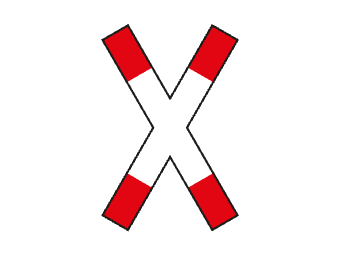
Código 201
Cruz de San Andrés
Marca un cruce ferroviario donde el tráfico ferroviario tiene prioridad.
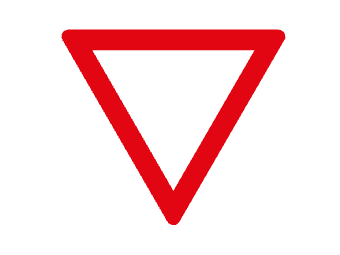
Código 205
Ceda el paso
Requiere que los conductores cedan el paso al tráfico en la vía prioritaria.
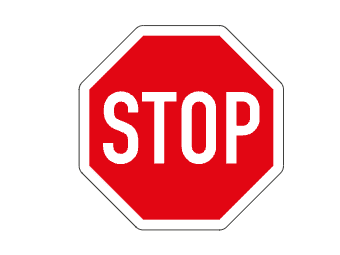
Código 206
Detenerse y ceder el paso
Requiere detenerse por completo antes de ceder el paso al tráfico prioritario.
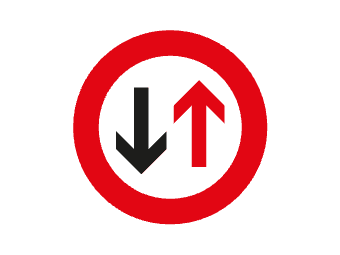
Código 208
Prioridad para el tráfico que viene en sentido contrario
Requiere que los conductores cedan el paso a los vehículos que vienen en dirección opuesta.
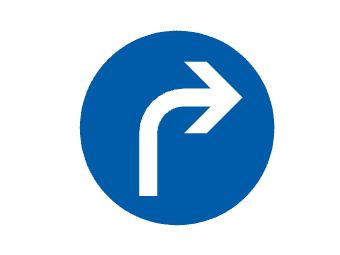
Código 209-20
Dirección obligatoria a la derecha
Los conductores deben girar a la derecha con indicación.
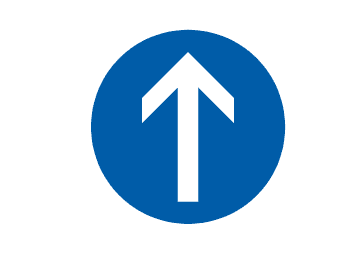
Código 209-30
Dirección obligatoria en línea recta
Los conductores deben continuar recto.
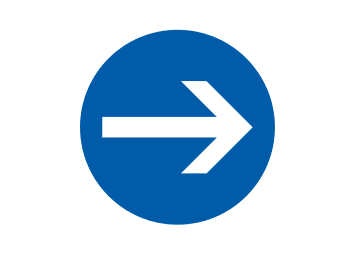
Código 211-20
Gira a la derecha aquí
Los conductores deben girar a la derecha en este punto.
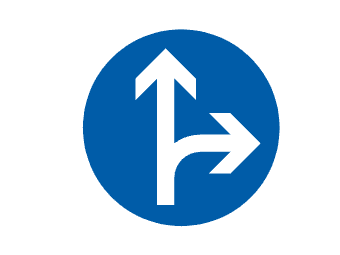
Código 214-20
Hacia adelante o solo a la derecha
Los conductores sólo pueden seguir recto o girar a la derecha.
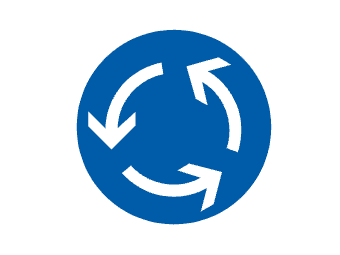
Código 215
Rotonda
Indica circulación obligatoria alrededor de una rotonda.
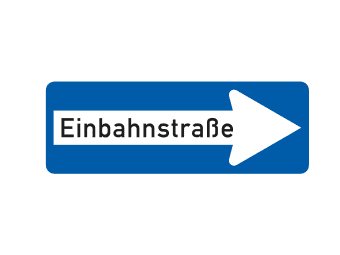
Código 220
Calle de sentido único
Muestra que el tráfico está permitido sólo en una dirección.
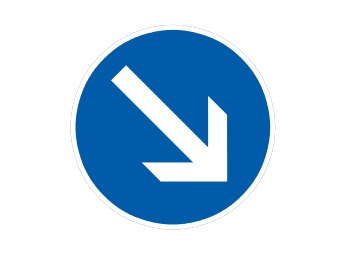
Código 222-20
Pase por la derecha
Los conductores deben pasar el obstáculo por el lado derecho.
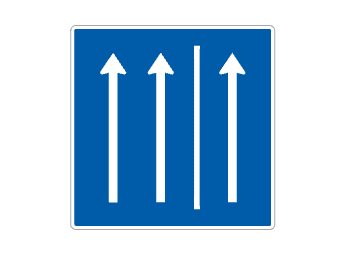
Código 223.1
Utilice arcén
Permite o exige que el tráfico utilice el arcén.
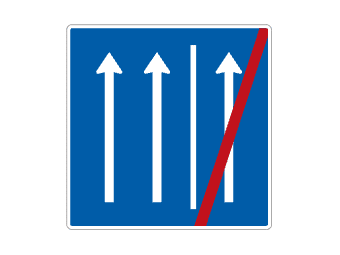
Código 223.2
Fin del uso del arcén
Indica que ya no se permite circular por el arcén.
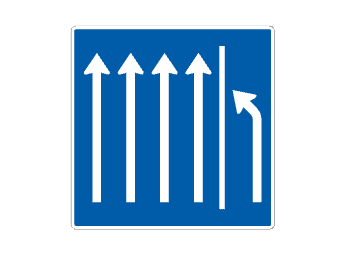
Código 223.3
Limpiar el arcén
Obliga a los conductores a abandonar el arcén.
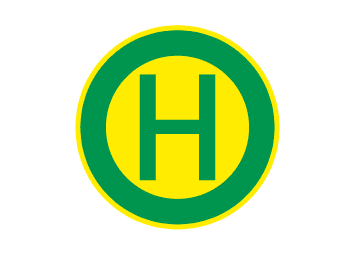
Código 224
Parada de autobús
Marca una parada de autobuses regulares y escolares.
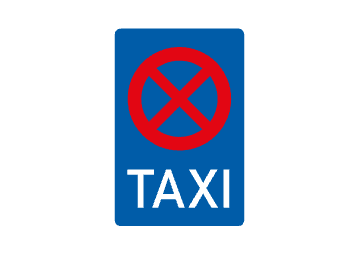
Código 229
Sitio de taxis
Marca una zona de parada reservada para taxis.
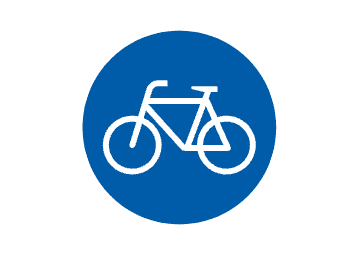
Código 237
Carril bici
Indica un camino obligatorio para los ciclistas.
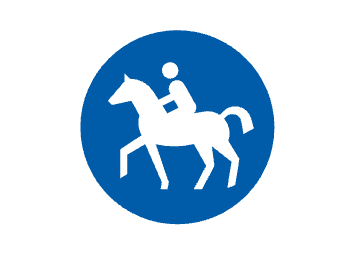
Código 238
Camino de herradura
Indica un camino obligatorio para los jinetes a caballo.
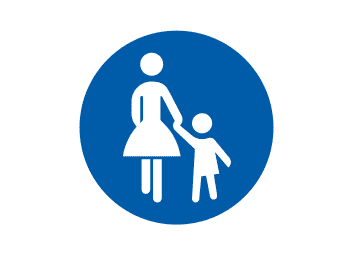
Código 239
Sendero
Indica un camino reservado para peatones.
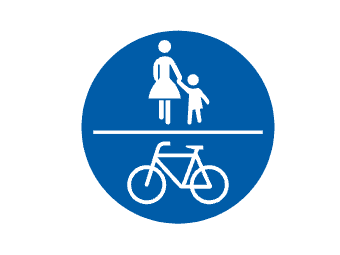
Código 240
Sendero compartido y carril bici
Indica un camino compartido para peatones y ciclistas.
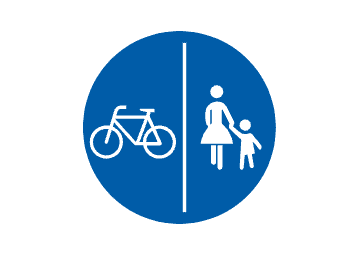
Código 241
Carril bici y sendero separados
Indica áreas separadas para ciclistas y peatones.
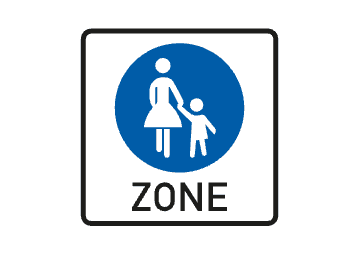
Código 242.1
Inicio de Zona Peatonal
Marca el inicio de una zona reservada principalmente a los peatones.
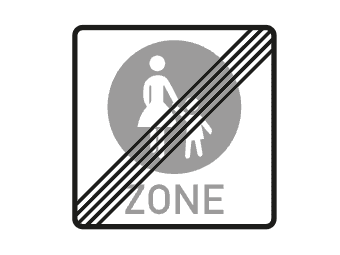
Código 242.2
Fin de la Zona Peatonal
Marca el final de una zona peatonal.
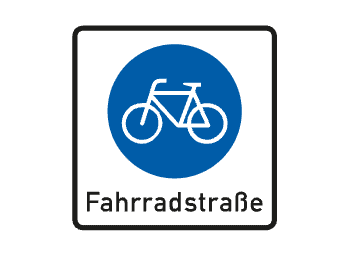
Código 244.1
Inicio de la calle de las bicicletas
Marca una calle donde el tráfico de bicicletas tiene especial prioridad.
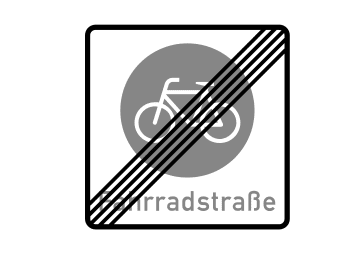
Código 244.2
Fin de la calle de bicicletas
Marca el final de una calle para bicicletas.
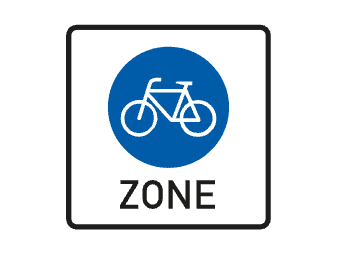
Código 244.3
Inicio de la Zona Bicicleta
Marca el inicio de una zona con reglas especiales para bicicletas.
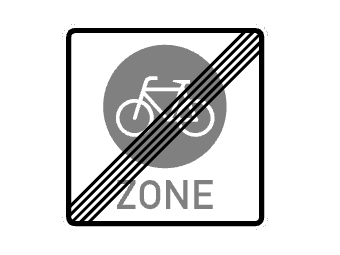
Código 244.4
Fin de la zona de bicicletas
Marca el final de una zona para bicicletas.
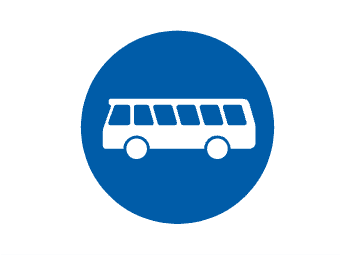
Código 245
Carril de Autobús
Marca un carril de circulación reservado a los autobuses.
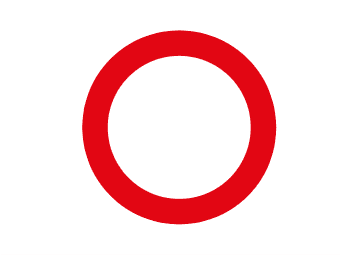
Código 250
Sin vehículos
Prohibe la entrada a todo tipo de vehículos.
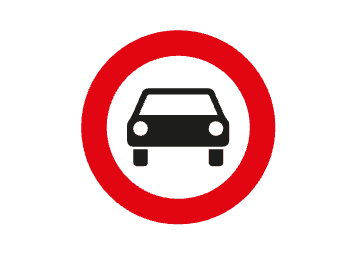
Código 251
No se permiten automóviles ni vehículos motorizados de vías múltiples
Prohíbe los automóviles y otros vehículos de motor de múltiples vías.
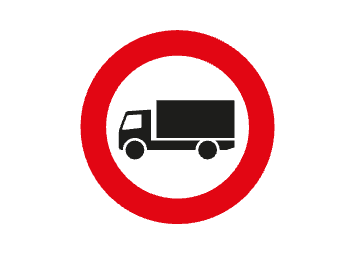
Código 253
Prohibido vehículos de motor de más de 3,5 t
Prohíbe los vehículos motorizados pesados por encima de la categoría de peso indicada.
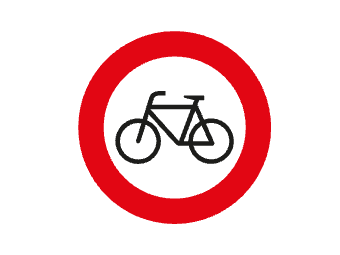
Código 254
No andar en bicicleta
Prohíbe el tráfico de bicicletas.
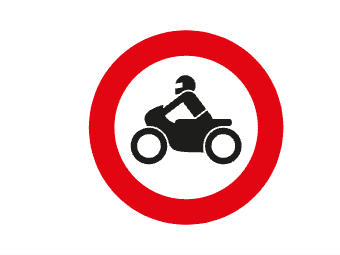
Código 255
No se permiten motocicletas, ciclomotores ni motocicletas pequeñas.
Prohíbe motocicletas, ciclomotores y vehículos motorizados similares de dos ruedas.
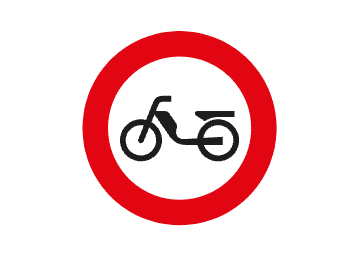
Código 257-50
Sin ciclomotores
Prohíbe el uso de la vía o camino a los ciclomotores.
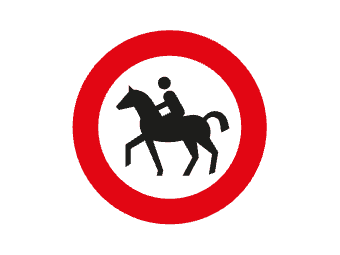
Código 257-51
Sin pasajeros
Prohibido el uso de la ruta a jinetes.
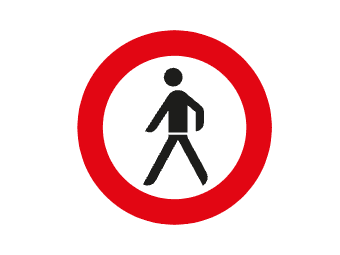
Código 259
Prohibido para peatones
Prohíbe a los peatones el uso de la vía o camino.
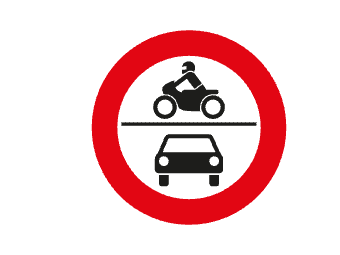
Código 260
No se permiten vehículos de motor
Prohibida la entrada de vehículos de motor.
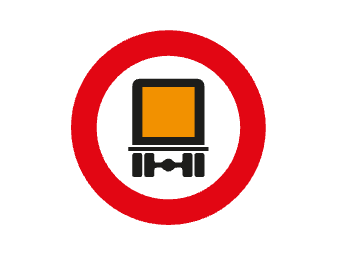
Código 261
Prohibido el transporte de mercancías peligrosas
Prohíbe vehículos que transporten mercancías marcadas como peligrosas.
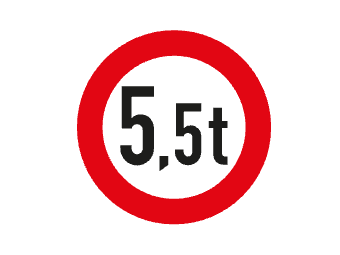
Código 262
Límite máximo de peso real
Prohíbe vehículos que excedan el peso real indicado.
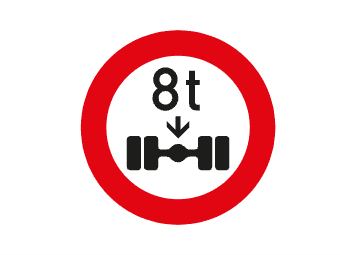
Código 263
Límite máximo de carga por eje
Prohíbe vehículos que excedan la carga por eje indicada.
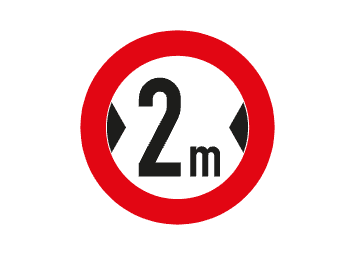
Código 264
Límite de ancho máximo
Prohíbe vehículos con una anchura superior a la indicada.
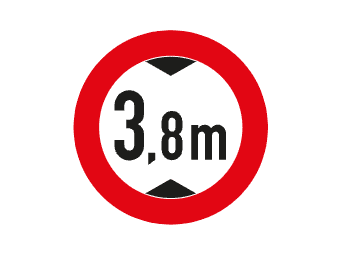
Código 265
Límite de altura máxima
Prohibido vehículos por encima de la altura indicada.
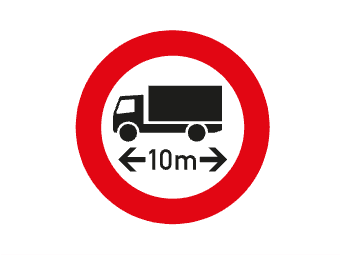
Código 266
Límite de longitud máxima
Prohíbe vehículos de longitud superior a la indicada.
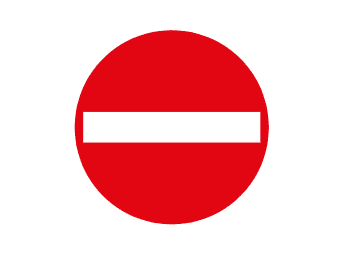
Código 267
No hay entrada
Prohíbe el ingreso de vehículos por esta dirección.
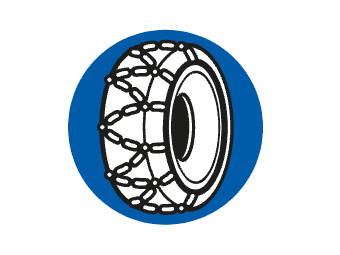
Código 268
Se requieren cadenas para la nieve
Requiere que los vehículos utilicen cadenas para la nieve.
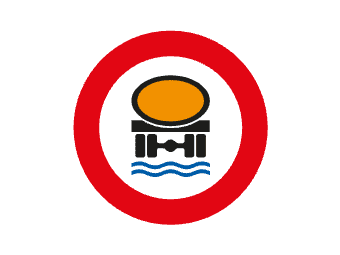
Código 269
Prohibición de vehículos que transporten cargas contaminantes del agua
Prohíbe vehículos que transporten cargas que puedan poner en peligro el agua.
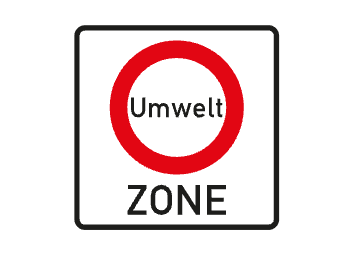
Código 270.1
Inicio de Zona de Bajas Emisiones
Marca el inicio de una zona de restricción del tráfico para reducir la contaminación del aire.
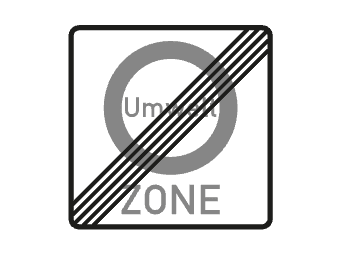
Código 270.2
Fin de la zona de bajas emisiones
Marca el final de una zona de restricción de tráfico de bajas emisiones.
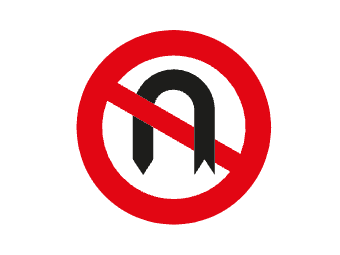
Código 272
Sin giro en U
Prohíbe dar la vuelta al vehículo.
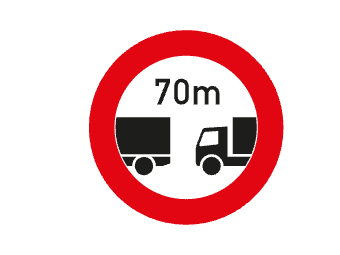
Código 273
Distancia mínima requerida
Requiere que los conductores mantengan al menos la distancia indicada.
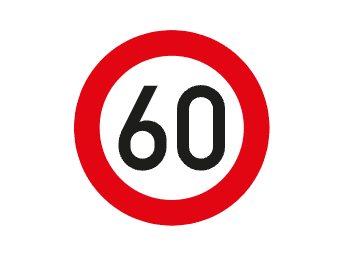
Código 274
Límite de velocidad máxima
Establece la velocidad máxima permitida.
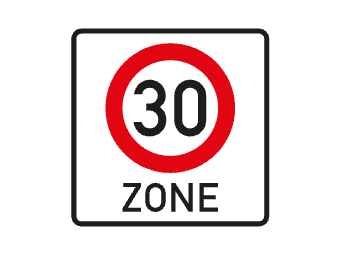
Código 274.1
Inicio de la Zona de 30 km/h
Marca el inicio de una zona con un límite de velocidad de 30 km/h.
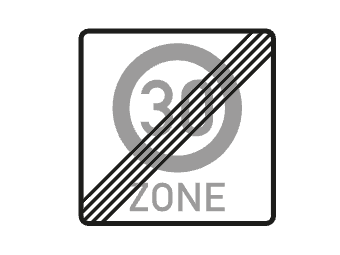
Código 274.2
Fin de la zona de 30 km/h
Marca el final de una zona de límite de velocidad de 30 km/h.
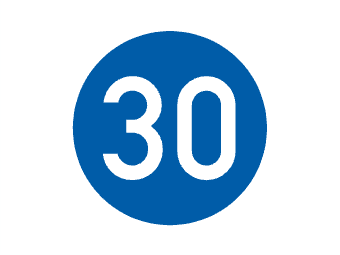
Código 275
Velocidad mínima
Requiere que los vehículos circulen al menos a la velocidad indicada.
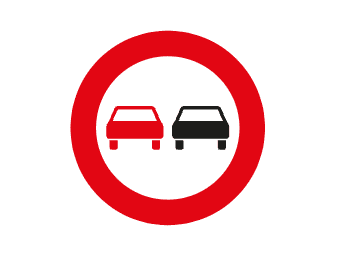
Código 276
No rebasar
Prohíbe a los vehículos de motor adelantar a otros vehículos de motor.
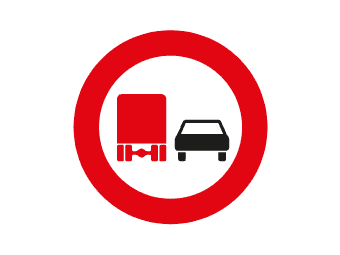
Código 277
Prohibido adelantar a vehículos de más de 3,5 t
Prohibición de adelantamiento de vehículos pesados.
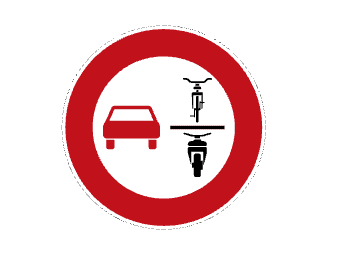
Código 277.1
Prohibido adelantar a vehículos de vía única
Prohíbe a los vehículos multivía adelantar a bicicletas y vehículos similares.
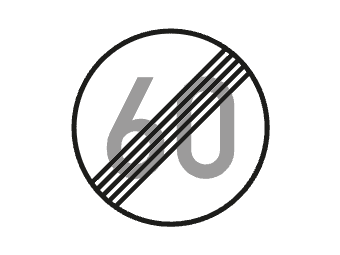
Código 278
Fin del límite de velocidad máxima
Anula el límite máximo de velocidad indicado anteriormente.
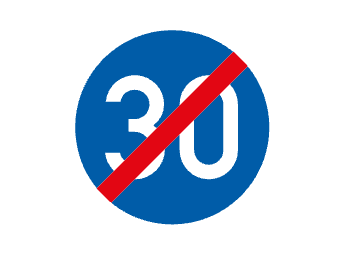
Código 279
Fin de la velocidad mínima
Cancela la velocidad mínima requerida anteriormente.
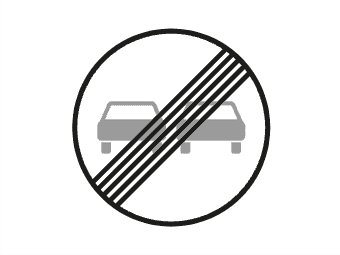
Código 280
Fin de la prohibición de adelantar
Anula la restricción de adelantamiento para vehículos a motor.
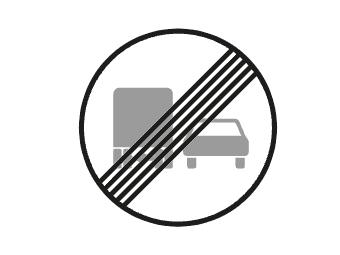
Código 281
Fin de la prohibición de adelantamiento para vehículos de más de 3,5 t
Anula la restricción de adelantamiento para vehículos pesados.
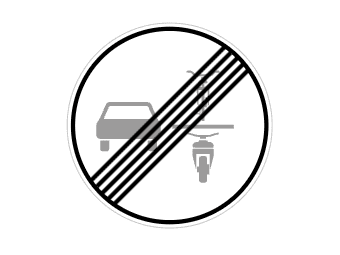
Código 281.1
Fin de la prohibición de adelantar a los vehículos de vía única
Anula la restricción de adelantamiento a vehículos de vía única.
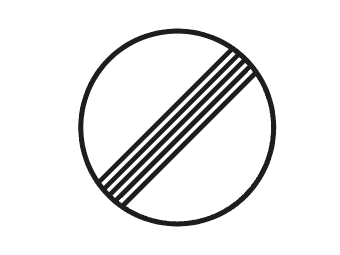
Código 282
Fin de todas las restricciones de ruta
Finaliza todos los límites de velocidad basados en rutas y las prohibiciones de adelantar.
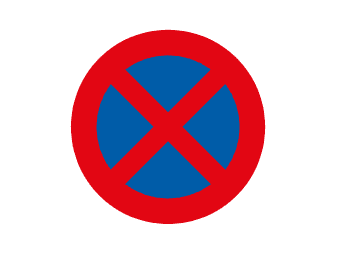
Código 283
Sin parar
Prohíbe detenerse, incluido el estacionamiento.
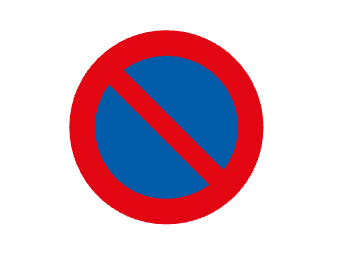
Código 286
No estacionar
Permite detenerse brevemente, pero prohíbe estacionar.
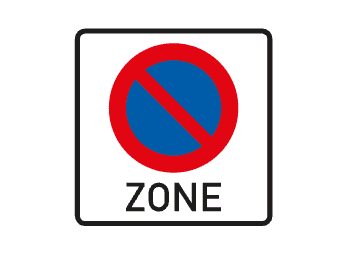
Código 290.1
Inicio de zona de prohibido estacionar
Marca el inicio de una zona donde el estacionamiento está restringido.
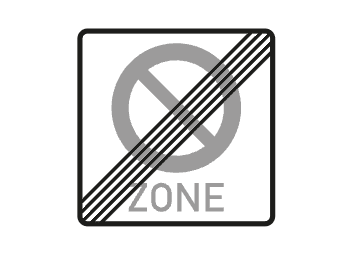
Código 290.2
Fin de la zona de prohibido estacionar
Marca el final de una zona de prohibido estacionar.
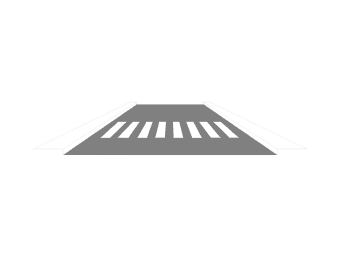
Código 293
Señalización de paso de peatones
Marca un paso de peatones en la superficie de la carretera.
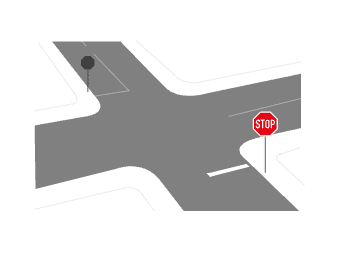
Código 294
Línea de parada
Muestra dónde deben detenerse los vehículos cuando sea necesario.
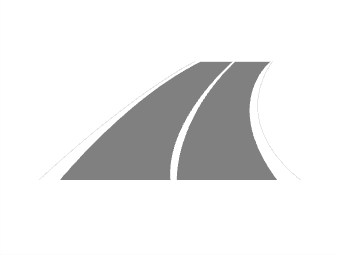
Código 295
Límite de carril y carretera
Marca los límites de los carriles o el borde de la carretera.
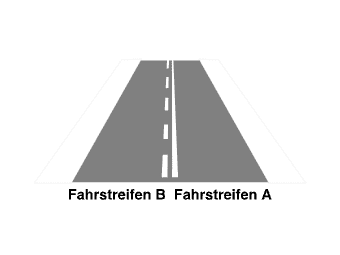
Código 296
Límite de carril unilateral
Permite cruzar sólo desde el lado de la línea discontinua.
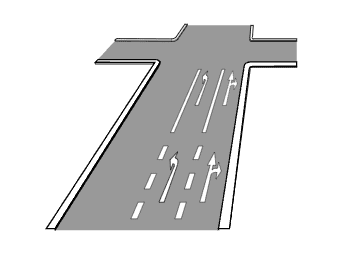
Código 297
Marcas de flecha
Indicar direcciones de conducción permitidas o requeridas en un carril.
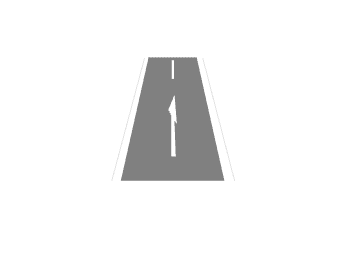
Código 297.1
Flecha de avance de fin de carril
Advierte que se acerca el límite de un carril o el final de un carril.
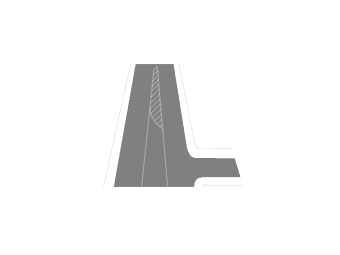
Código 298
Marcado de área bloqueada
Marca un área de la vía que los vehículos no deben utilizar.
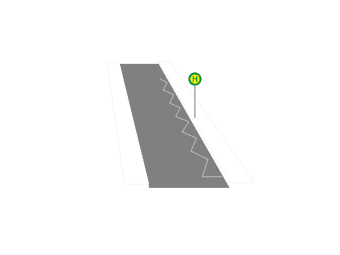
Código 299
Marcación de límites para restricciones de parada o estacionamiento
Muestra el área donde se aplican restricciones de parada o estacionamiento.
Reglas que debes recordar
- Señal de alto: Deténgase siempre por completo, incluso si no viene nadie.
- Ceda el paso: Reduzca la velocidad, esté preparado para frenar y deje pasar el tráfico prioritario.
- Rotonda: Indique sólo al salir, no al entrar.
- Sin parar: No se detenga para recibir pasajeros, cargar o esperar.
- No estacionar: Se permite esperar hasta 3 minutos, a menos que reglas adicionales indiquen lo contrario.
- Autobús escolar: Espere hijos; pase sólo a la velocidad de caminar cuando sea necesario.
Mini prueba
Hay una señal de alto más adelante, pero no hay tráfico cruzado. ¿Debes parar?
Sí. Debe detenerse completamente en la línea de parada o en la línea de visión.
Entras en una rotonda. ¿Indicas?
No. Sólo se indica al salir de la rotonda.
Se muestra una señal de prohibido estacionar. ¿Puede la gente entrar o salir?
Sí, está permitido detenerse para subir/bajar o cargar/descargar. Generalmente se permite esperar hasta 3 minutos.
Un autobús escolar está detenido. ¿Qué deberías esperar?
Los niños pueden correr repentinamente hacia la carretera. Esté preparado para frenar y rebasar sólo a la velocidad de caminar cuando sea necesario.
Lista de verificación del examen final
Preguntas de práctica (69)
-
Pregunta 1 de 69
¿En qué caso tiene que esperar ante esta señal?
1.4.41-0013 puntos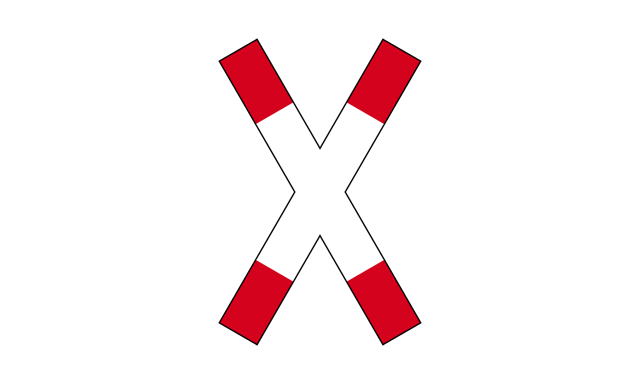
Explicación
The diagonal cross in front of a railroad crossing signals the right of way for rail traffic. When a rail vehicle approaches, you have to wait in front of the sign. The same applies if railway staff waves a white-red-white flag. If you are in danger of comingThe diagonal cross in front of a railroad crossing signals the right of way for rail traffic. When a rail vehicle approaches, you have to wait in front of the sign. The same applies if railway staff waves a white-red-white flag. If you are in danger of coming to a stop on the railroad crossing due to traffic jams, you must also wait in front of the diagonal cross until you can quickly cross the railroad crossing. to a stop on the railroad crossing due to traffic jams, you must also wait in front of the diagonal cross until you can quickly cross the railroad crossing.
-
Pregunta 2 de 69
¿Cómo actúa ante esta señal?
1.4.41-0042 puntos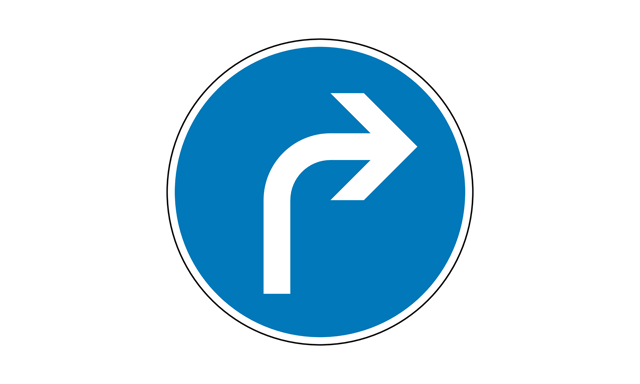
Explicación
The traffic sign "Turn right here in front of the sign" only allows you to drive to the right. Even if there is only this one option, the change of the direction of travel needs to be indicated.
-
Pregunta 3 de 69
¿En qué dirección puede seguir?
1.4.41-0062 puntos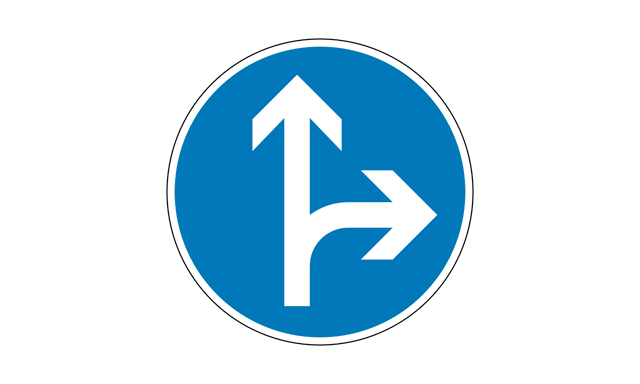
Explicación
The traffic sign "You must go straight or turn right" prohibits turning to the left. Allowed are only the other directions straight ahead and right. If you turn to the right, you must indicate the change of direction.
-
Pregunta 4 de 69
¿Cómo actúa ante esta señal?
1.4.41-0072 puntos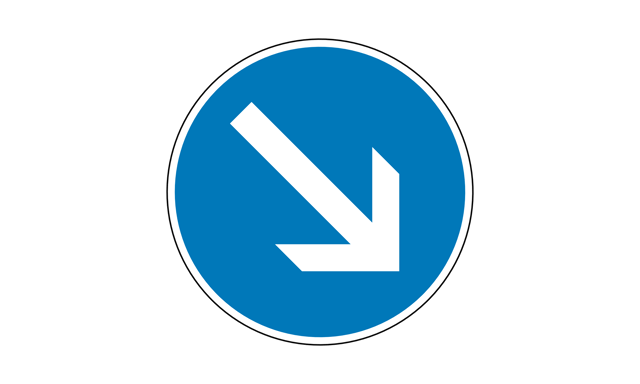
Explicación
The traffic sign "Keep right of traffic" indicates that you have to drive past an obstacle on the right. These include traffic islands, construction sites or bus stops. If there is an intersection or T-junction before the marked point, you may turn right as well as left. If you swing out while driving around an obstacle, you have to indicate that.
-
Pregunta 5 de 69
Ud. se acerca a una parada señalizada. ¿Cuál debe ser su comportamiento cuando ve niños?
1.4.41-0085 puntos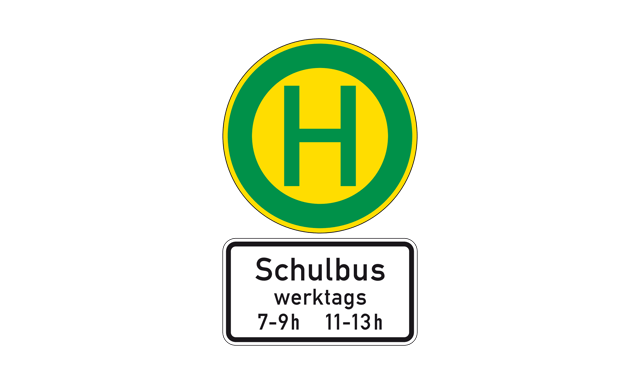
Explicación
This stop is a bus stop where school buses operate at the times indicated. If you approach this stop, you will have to expect children who suddenly run onto the road; the principle of trust does not apply in this case. If a school bus is in the passenger bay or on the street, you have to be able to brake as a car driver; You may only drive past at walking speed.
-
Pregunta 6 de 69
¿En qué vehículos no puede circular aquí?
1.4.41-0122 puntos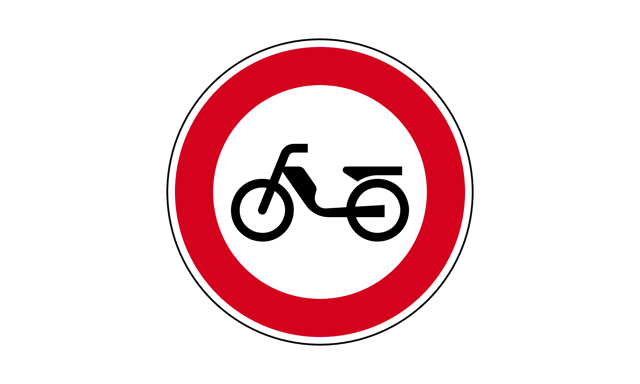
Explicación
The traffic sign "No Motorbikes Permitted" only applies to mopeds. It does not apply to mopeds and light motorcycles. The low speed of motorbikes would hinder the flow of traffic on this road.
-
Pregunta 7 de 69
¿Qué permite esta señal?
1.4.41-0152 puntos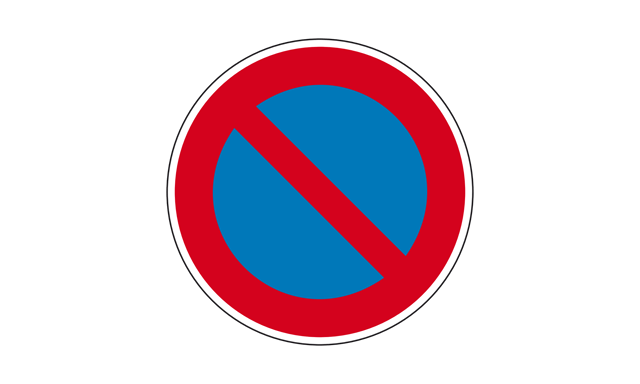
Explicación
The sign "No parking. Waiting is allowed." sign allows you to wait for up to three minutes. Situations of loading and unloading or getting in and out of the car may also take longer. The car driver must be in the immediate vicinity of the vehicle.
-
Pregunta 8 de 69
¿Qué implica esta combinación de señales de tráfico?
1.4.41-0173 puntos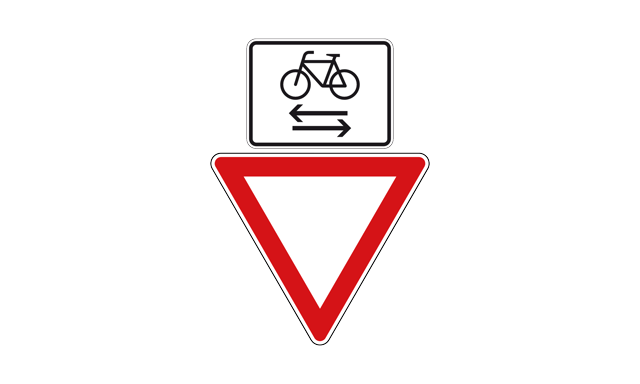
Explicación
The additional sign indicates that cycle traffic could be coming from the left and right. Therefore, even if you only want to turn right, pay attention to both directions. Electric scooters are becoming more common, they ride on the cycle path, so watch out for scooter riders as well.
-
Pregunta 9 de 69
¿Qué vehículos pueden acceder a una ciclocalle en la que se ven estas señales?
1.4.41-0182 puntos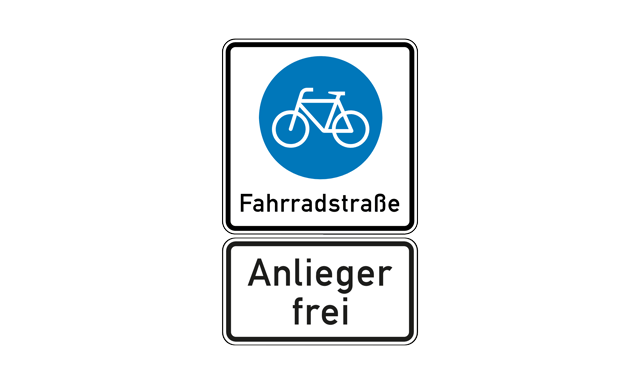
Explicación
Vehicular traffic other than cyclists is not allowed to use cycle lanes unless permitted by additional signs. The additional sign allows residents to enter the cycle lane.
-
Pregunta 10 de 69
¿Qué afirmaciones son correctas con respecto a las marcas viales amarillas?
1.4.41-0193 puntosExplicación
Yellow lane markings are placed temporarily, e.g. to change the course of the lane due to a construction site. The white lane markings are replaced by the yellow ones.
-
Pregunta 11 de 69
¿Qué es correcto en esta situación?
1.4.41-0203 puntos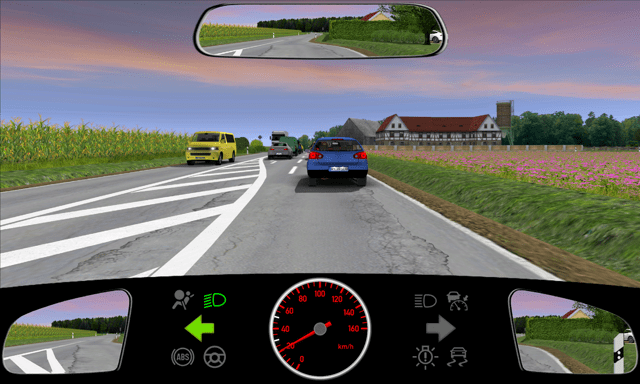
Explicación
A restricted area may not be driven on as a matter of principle.
-
Pregunta 12 de 69
¿Qué vehículos pueden acceder a una zona en la que se ven estas señales?
1.4.41-0212 puntos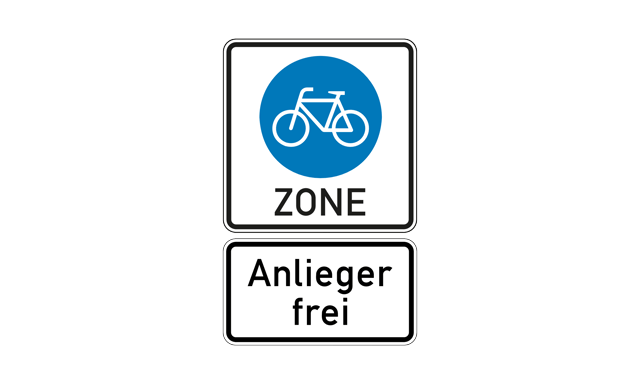
Explicación
The traffic sign shows a bicycle zone with the additional sign "Anleger frei". In bicycle zones, the rule of "right before left" applies. Cyclists, very small electric vehicles and other authorised vehicles are allowed to travel at a maximum speed of 30 km/h in bicycle zones. Cyclists and very small electric vehicles may ride side by side in bicycle zones. The additional sign also allows residents to ride in the bicycle zone.
-
Pregunta 13 de 69
En poblado, ¿qué tiene que tener en cuenta al acceder a una vía con esta combinación de señales de tráfico?
1.4.41-0222 puntos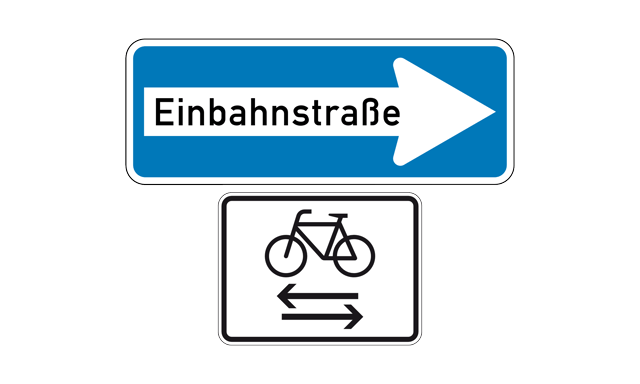
Explicación
The one-way street sign also applies to cyclists, but with this traffic sign combination they are allowed to ride in both directions. Please note, however, that when overtaking cyclists in built-up areas, a minimum lateral distance of 1.5 m must always be maintained.
-
Pregunta 14 de 69
Esta señal está en el margen derecho de la calle. ¿Qué indica?
1.4.41-0232 puntos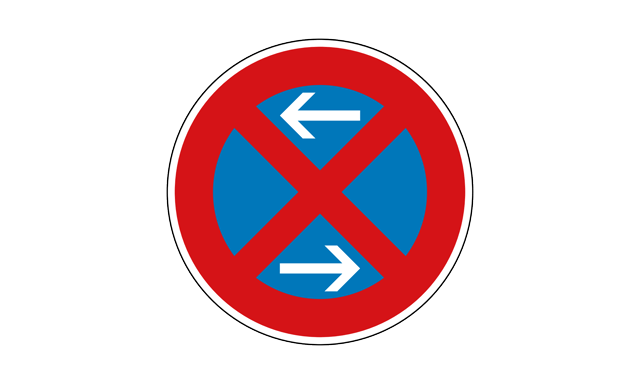
Explicación
The traffic sign indicates an absolute no-stopping zone in the area in front of and behind the traffic sign. The arrow pointing to the left indicates that you are not allowed to stop after the sign, the arrow pointing to the right indicates that you are not allowed to stop in front of the sign.
-
Pregunta 15 de 69
Esta señal está en el margen derecho de la calle. ¿Qué indica?
1.4.41-0242 puntos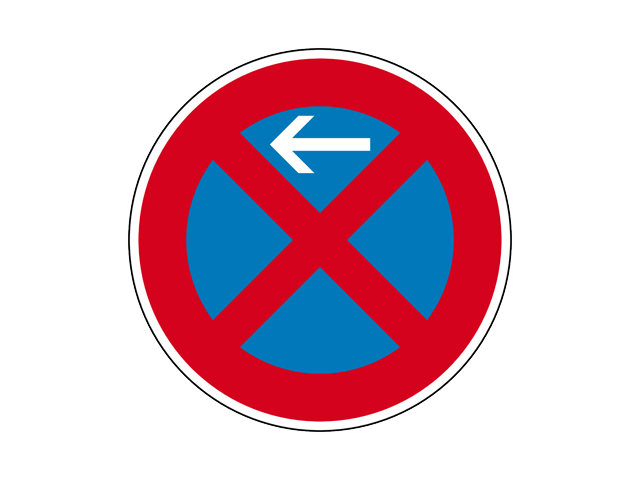
Explicación
The traffic sign signals the beginning of an absolute prohibition to stop from the traffic sign. The arrow pointing to the left shows that the prohibition of stopping begins from the sign.
-
Pregunta 16 de 69
¿Qué ha de tener en cuenta ante esta señal de tráfico?
1.4.41-0252 puntos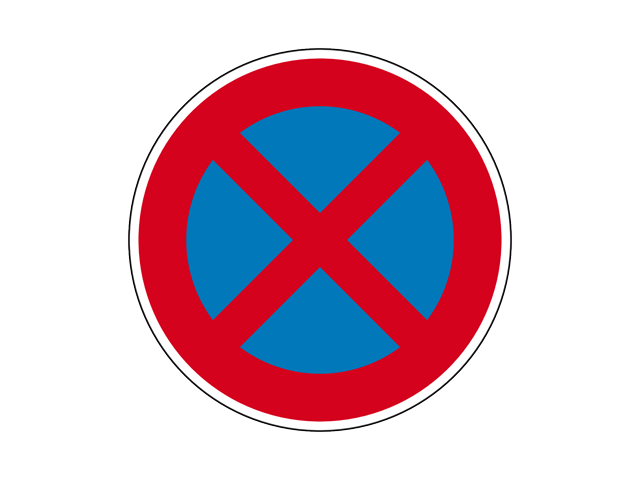
Explicación
The traffic sign indicates an absolute no-stopping zone in this area. You are not allowed to stop there.
-
Pregunta 17 de 69
¿Qué es lo correcto en esta situación?
1.4.41-0263 puntos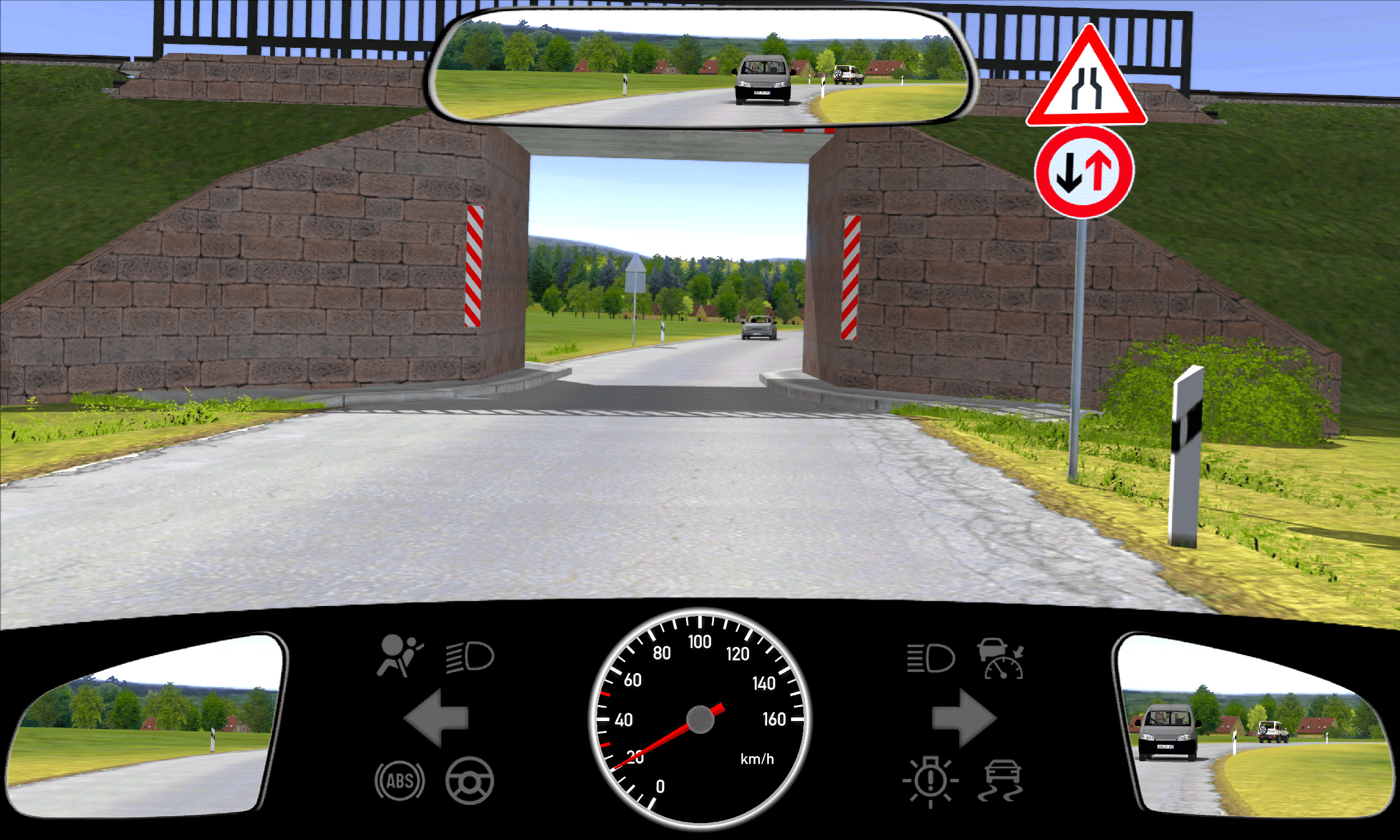
Explicación
The sign indicates that you must give priority to oncoming traffic at the bottleneck. The vehicle coming towards you is already close to the bottleneck, so you must wait and may only drive after the car coming towards you.
-
Pregunta 18 de 69
¿Cuándo puede parar aquí?
1.4.41-0272 puntos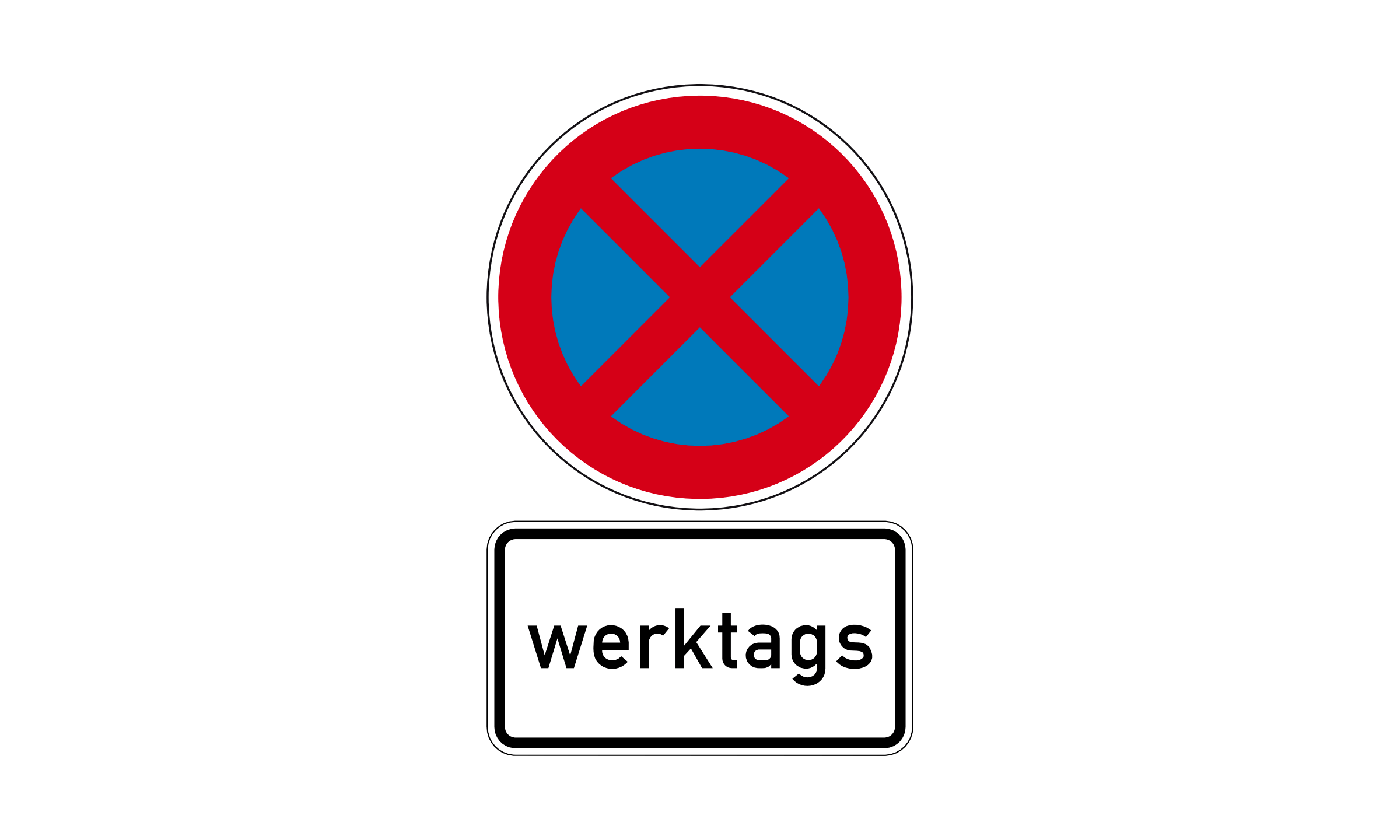
Explicación
The absolute stopping ban only applies on working days. You are allowed to stop here on Sundays and public holidays.
-
Pregunta 19 de 69
¿Qué se aplica en esta intersección?
1.4.41-0284 puntos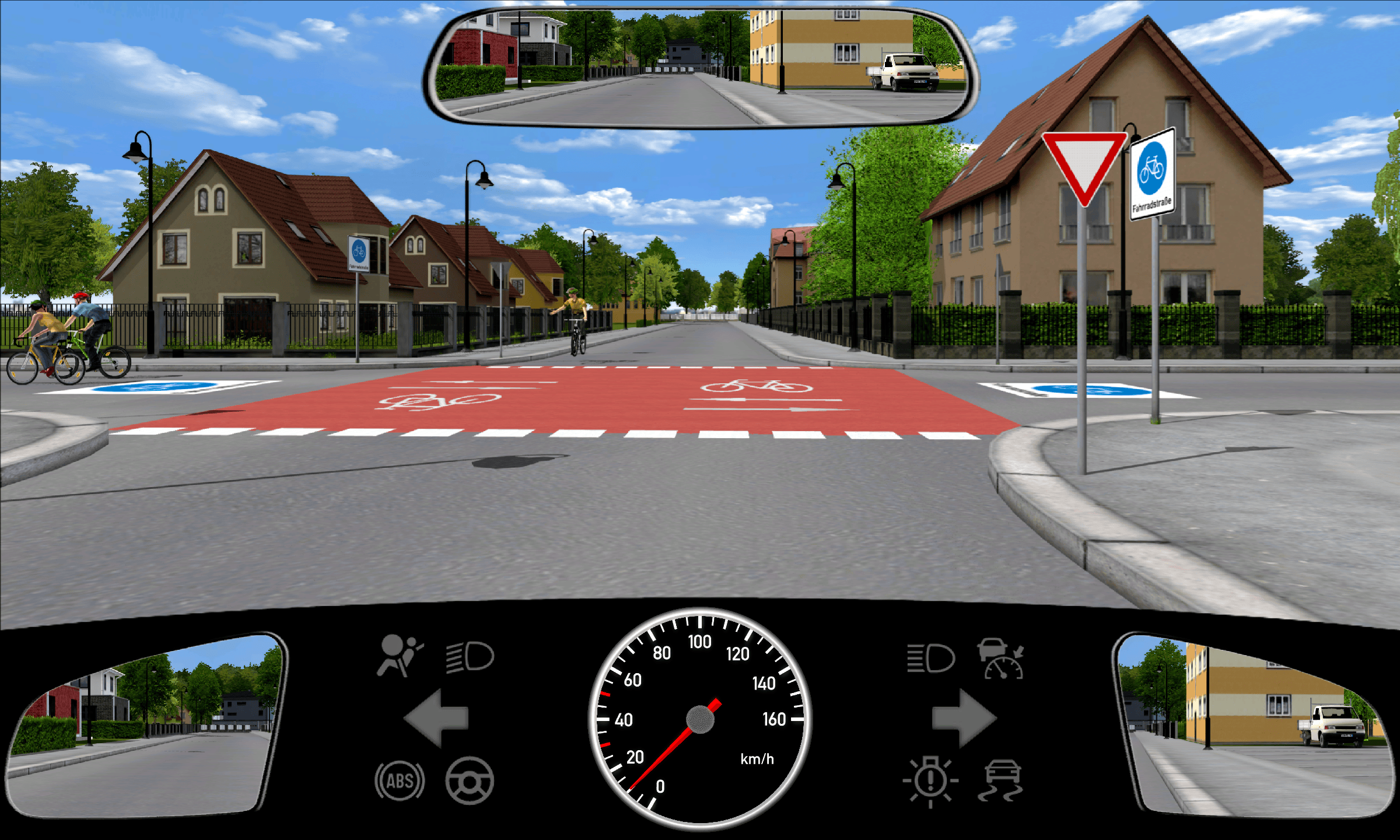
Explicación
The blue traffic signs, with the white bicycle in the middle, indicate a bicycle street. This road may only be used by bicycles, unless otherwise expressly indicated by other traffic signs. In addition, the triangular traffic sign “Give way” indicates that cross traffic must be given priority. You do not necessarily have to stop at the traffic sign “Give way” and you can cross the intersection carefully as there is no traffic visible from the right or left.
-
Pregunta 20 de 69
¿Qué indica esta señal de tráfico?
1.4.41-0293 puntos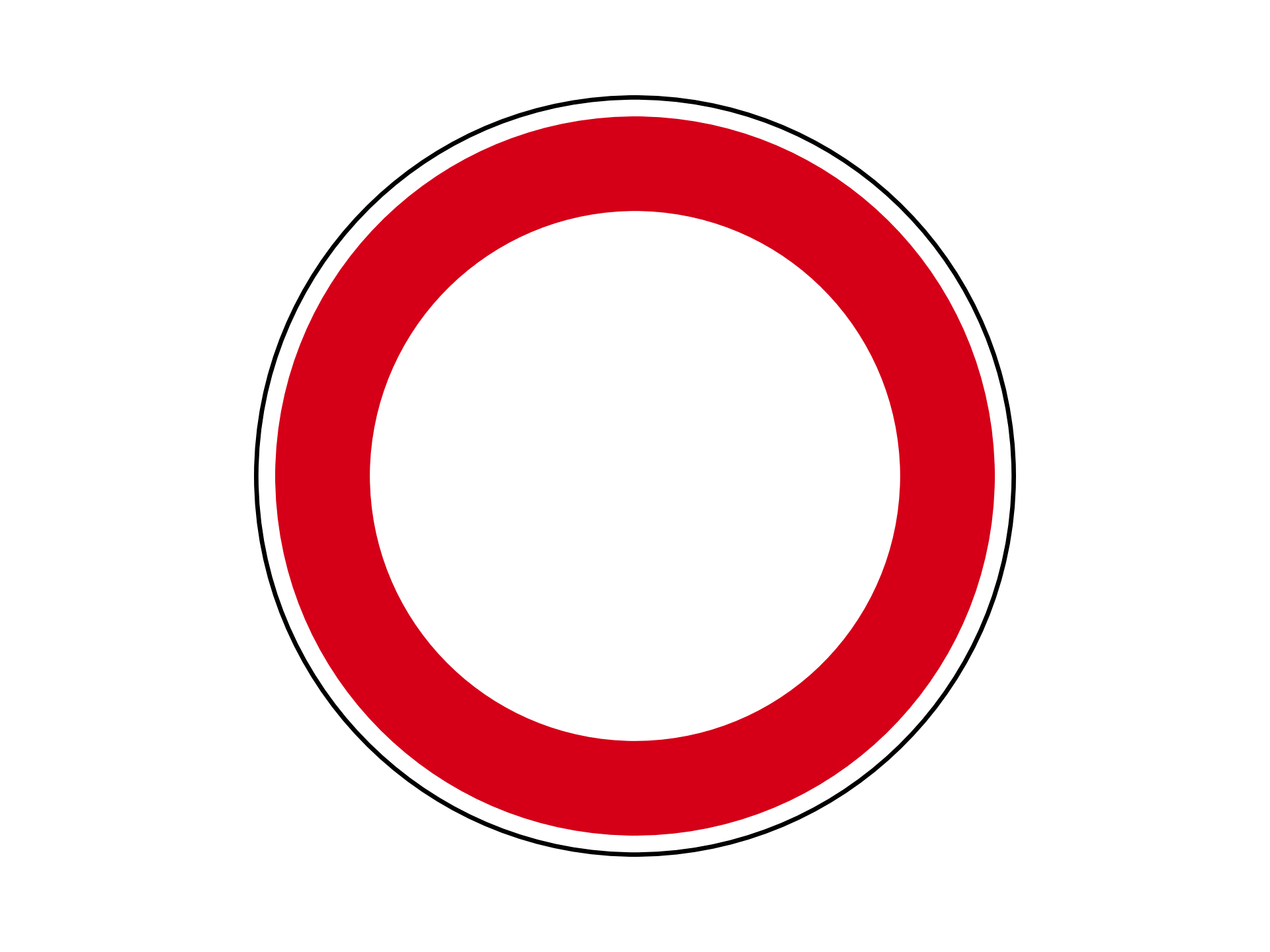
Explicación
Basically, the traffic sign “Prohibited all types of vehicles” means that vehicles are not allowed to drive on the road. However, motorcycles or bicycles may be pushed.
-
Pregunta 21 de 69
Conduce por una calle de sentido único que está señalizada como tal. ¿Qué es lo correcto?
1.4.41-0303 puntos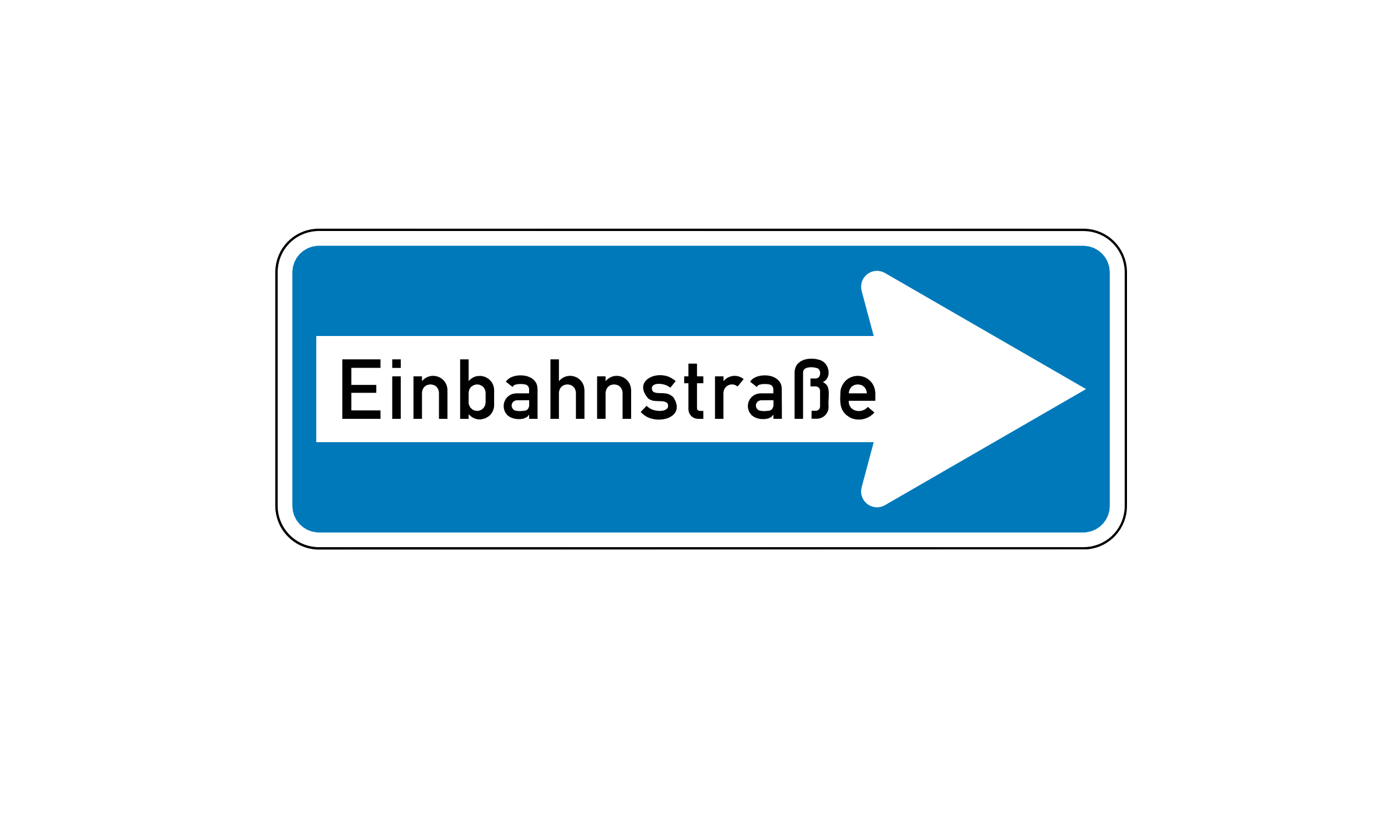
Explicación
The direction of travel on a one-way street is always indicated by the white arrow on the traffic sign. If you are on your one-way street, you are allowed to park on the right or left side of the road in the direction of travel. In order not to obstruct the traffic behind you when turning left, you must move as far to the left as possible. This leaves enough space for vehicles that want to go straight or turn right.
-
Pregunta 22 de 69
Conduce por una vía con prioridad. ¿Qué señal de tráfico indica el fin de su prioridad de paso?
1.4.41-0313 puntosExplicación
The traffic sign “End of priority road” signals to you that the right of way regulation has been lifted and the priority road ends here. If you have previously been driving on a priority road, the traffic sign “Give way” tells you that this priority road now ends. You now have to give way to other road users.
-
Pregunta 23 de 69
¿Qué norma de tráfico exige básicamente que usted se detenga antes de girar a la derecha?
1.4.41-0324 puntosExplicación
The “stop sign” shows you that you must always stop at the stop line or line of sight. The “green arrow” next to the red traffic light signals that you can turn right despite the red traffic light. But only after you have stopped at the stop or line of sight and made sure that you are not endangering anyone.
-
Pregunta 24 de 69
¿Qué señal de tráfico le prohíbe entrar en el área señalizada?
1.4.41-0333 puntosExplicación
You are not allowed to enter a street with this traffic sign because it indicates a pedestrian zone. This may only be used by pedestrians. The traffic sign means “Entry prohibited”. Driving into the signposted area is therefore prohibited.
-
Pregunta 25 de 69
¿En qué dirección puede Ud. seguir?
1.4.41-1062 puntos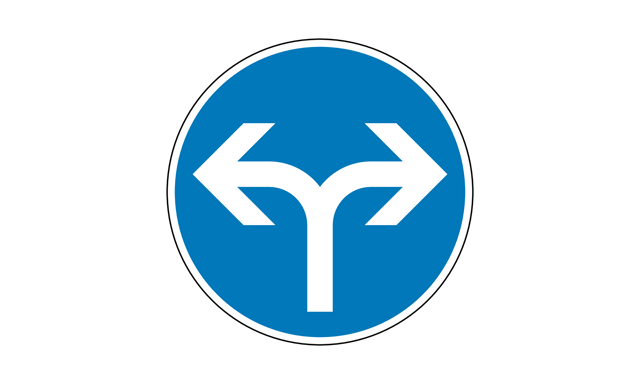
Explicación
The traffic sign "You" only allows turning to the right or left" only allows you to turn left or right. The desired direction of travel needs to be indicated. You are not allowed to drive straight ahead.
-
Pregunta 26 de 69
Aprox. 80 m delante de Ud. para un autobús escolar en la calzada. ¿Puede surgir peligro?
1.4.41-1095 puntos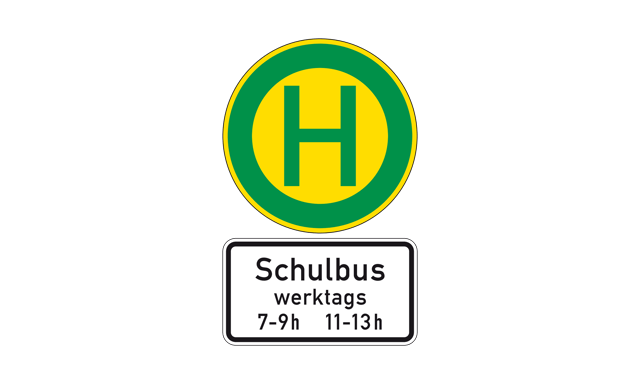
Explicación
If a school bus stops in front of you on the road about 80 m away, you have to expect the following: Children could suddenly run on/off the road to reach the bus, for example, by the shortest route. This danger exists even if school crossing guards secure the traffic. You have to be ready to brake and you are only allowed to drive past the school bus at walking speed.
-
Pregunta 27 de 69
¿Quién puede circular por esta calle con un vehículo?
1.4.41-1143 puntos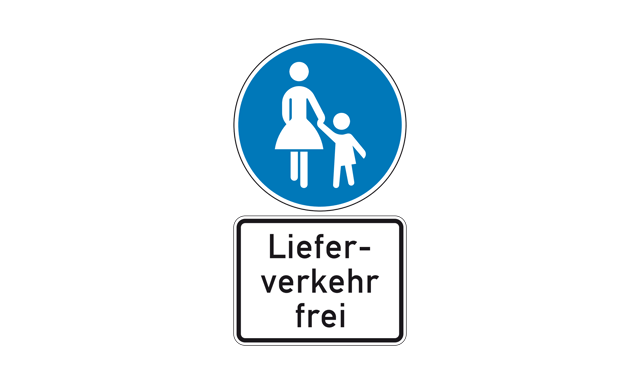
Explicación
The street is a declared sidewalk, with the additional sign "delivery vehicles only". Therefore, this road may only be used by a distributor with a motor vehicle. The distributor must be able to prove that he has to deliver something in this street. He has to drive at walking speed, regardless of whether or not pedestrians pass the street. He has to take care of pedestrians.
-
Pregunta 28 de 69
¿Qué vehículos pueden utilizar el carril especial señalizado?
1.4.41-1152 puntos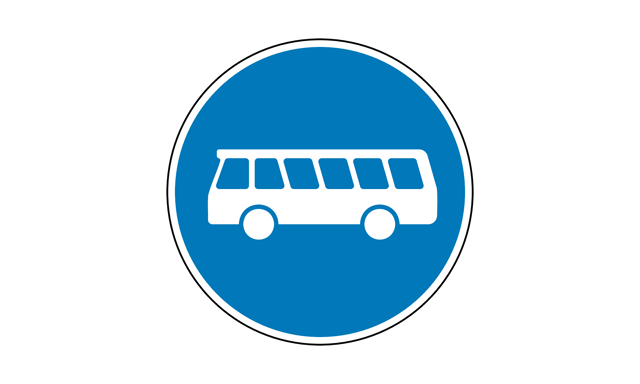
Explicación
The lane shown here is intended for public buses. Only they are allowed to use this lane. For all other drivers the use of this lane is prohibited.
-
Pregunta 29 de 69
¿Quién puede entrar en una calle con esta señal?
1.4.41-1162 puntos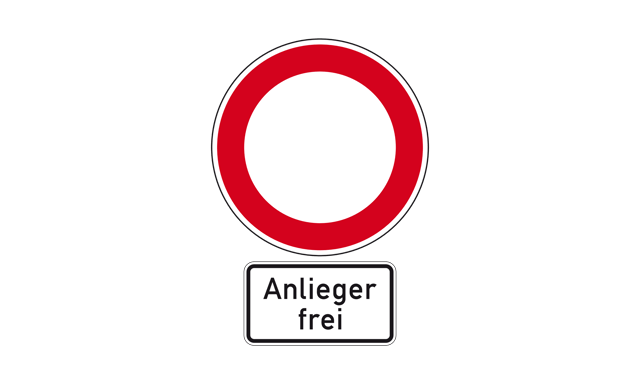
Explicación
The additional sign indicates that drivers who have to go on errands in this street privately, or for business reasons may enter. Residents and visitors are customers of shops, patients of medical practices as well as people who live in this street and their visitors. Through traffic is prohibited in this street.
-
Pregunta 30 de 69
¿Qué vehículos no pueden circular por una calle con esta señal?
1.4.41-1182 puntos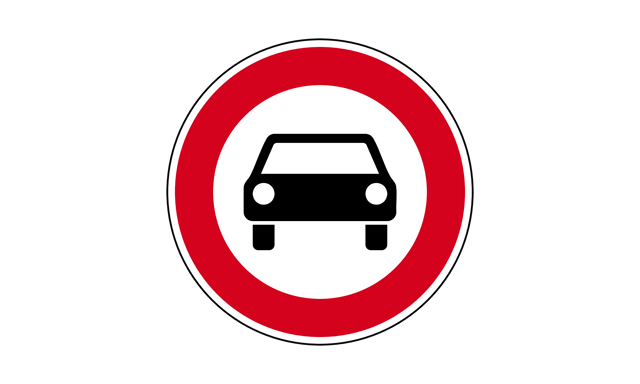
Explicación
Cars, but also other multi-lane motor vehicles, may not drive on a road with this sign. These include cars, trucks and buses. The ban does not apply to motorcycles, including side cars, and non-motorized vehicles.
-
Pregunta 31 de 69
¿Qué vehículos no pueden circular por una calle con esta señal?
1.4.41-1192 puntos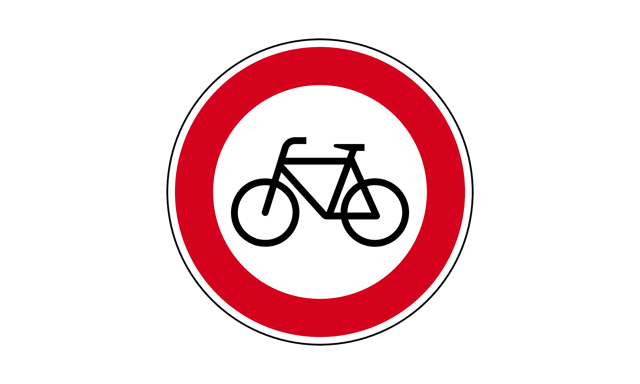
Explicación
This round road sign with the red border prohibits the passage for cyclists. It usually can be found on roads where you are allowed to drive fast and where a cyclist can get into dangerous situations due to his or her low speed. Motorized vehicles such as motorcycles and cars may continue here.
-
Pregunta 32 de 69
¿Qué vehículos no pueden circular por una calle con esta señal?
1.4.41-1202 puntos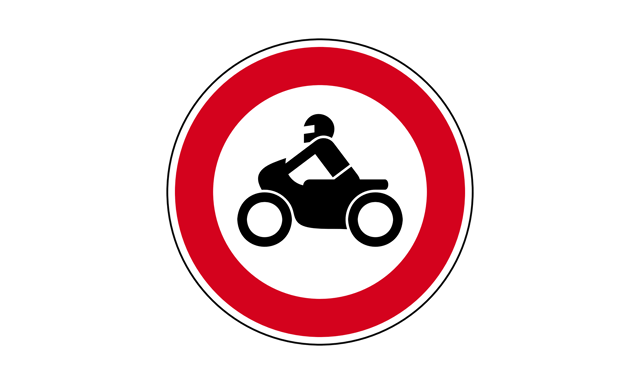
Explicación
A round traffic sign with a red border indicates a general traffic ban for vehicles. If the circle contains a symbol, the types of vehicles to which the traffic ban applies are specified more precisely. Here the road may not be used by motorcyclists.
-
Pregunta 33 de 69
¿Qué indican estas señales?
1.4.41-1212 puntos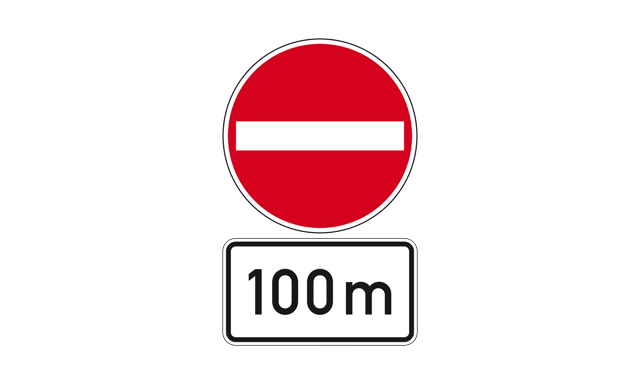
Explicación
The traffic sign "Do not enter" forbids car drivers to enter this road with vehicles of all kinds. The additional sign makes it clear that this prohibition applies only in 100 meters. It does not explicitly state for how long. Always expect that vehicles can come out of this road.
-
Pregunta 34 de 69
¿Qué indica esta señal?
1.4.41-1243 puntos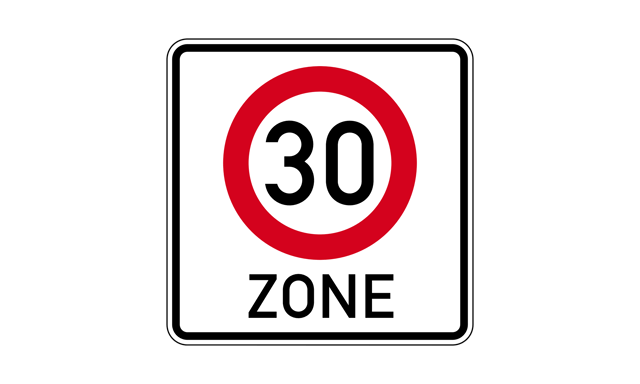
Explicación
The traffic sign indicates the beginning of a zone with a maximum speed of 30 km/h. It is often set up in residential areas and only once at the beginning. You are not allowed to drive faster than 30 km / h in the entire area. This speed limit is canceled with the "End of the 30 km/h zone" sign.
-
Pregunta 35 de 69
Aquí comienza una zona comercial de circulación especialmente acondicionada. ¿Cómo debe ser su comportamiento?
1.4.41-1252 puntos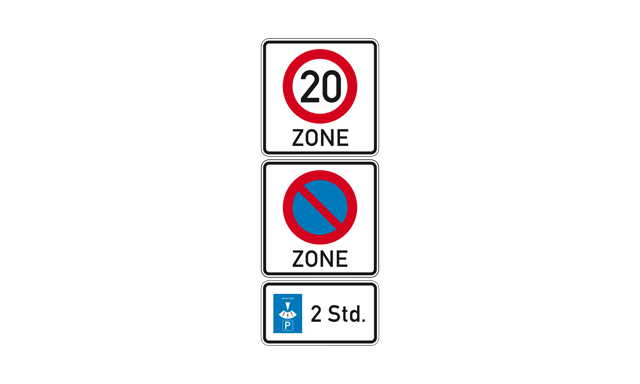
Explicación
In a traffic calming zone with shops, road users are often distracted by the displays in the shop windows. You must therefore pay attention to rain and inattentive foot traffic. Your maximum speed is 20 km/h. This is a no parking, but waiting allowed zone and you're obliged to use your parking disc. To offer parking to many customers, the maximum parking time is two hours.
-
Pregunta 36 de 69
¿Qué indica esta señal?
1.4.41-1262 puntos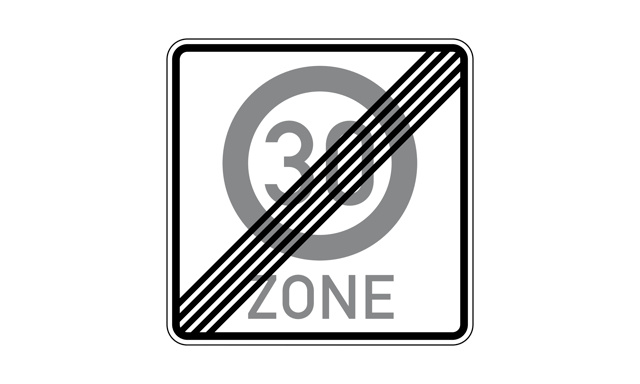
Explicación
This traffic sign indicates the end of an area in which the permitted speed was set to 30 km/h and thus cancels the maximum speed of 30 km/h.
-
Pregunta 37 de 69
¿A qué vehículos puede adelantar con esta señal?
1.4.41-1293 puntos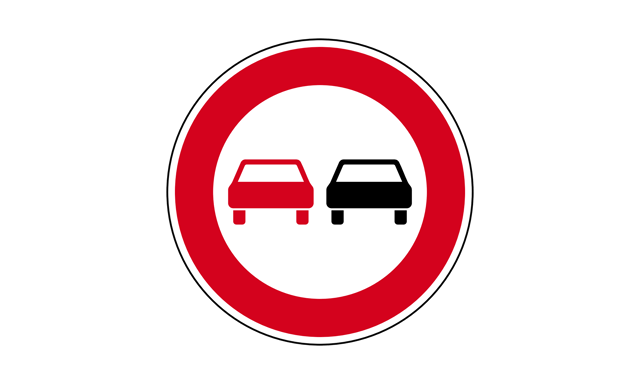
Explicación
The restriction on overtaking prohibits a car driver from overtaking multi-lane vehicles such as cars, trucks or tractors and motorcycles with side cars. Motorcycles without a side car and bicycles are allowed to be overtaken, as these are single-lane vehicles.
-
Pregunta 38 de 69
¿Qué indican estas señales?
1.4.41-1303 puntos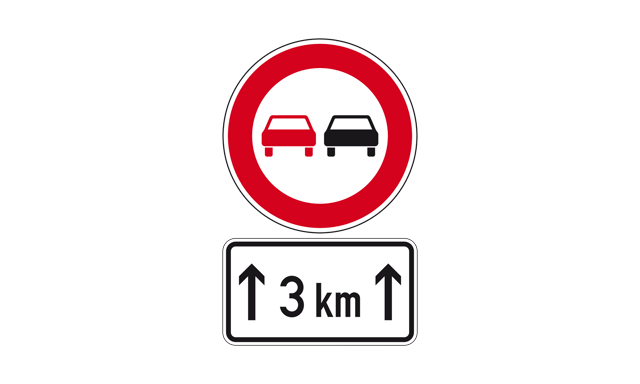
Explicación
This traffic sign signals a restriction on overtaking on multi-lane motor vehicles or motorcycles with side car. The black arrows with the km indication indicate that the restriction on overtaking applies for 3 km. The restriction on overtaking comes into force starting from the traffic sign.
-
Pregunta 39 de 69
¿Qué indican estas señales?
1.4.41-1313 puntos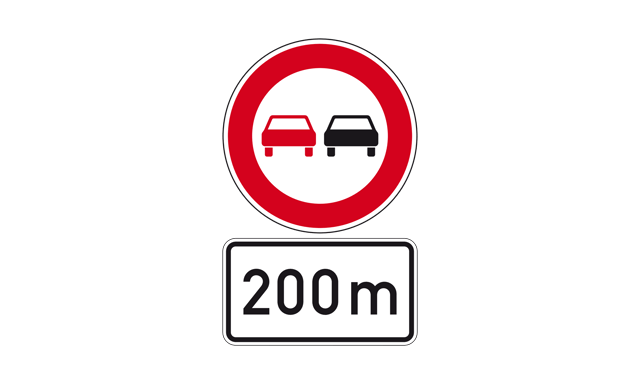
Explicación
With this traffic sign the car driver is prohibited to overtake multi-lane vehicles and motorcycles with side car. The additional sign prohibits overtaking in 200 meters. Since it contains no black arrows, it does not mean that you are not allowed to overtake in the next 200 meters.
-
Pregunta 40 de 69
¿Qué prohibiciones anula esta señal?
1.4.41-1332 puntos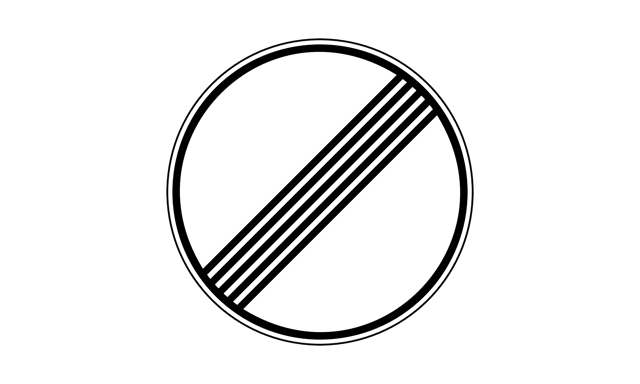
Explicación
This traffic sign cancels all road restrictions. For example, road restrictions include restrictions on overtaking and speed limits. Stopping restrictions such as a parking ban are not covered by road restrictions.
-
Pregunta 41 de 69
¿Qué indican estas señales?
1.4.41-1343 puntos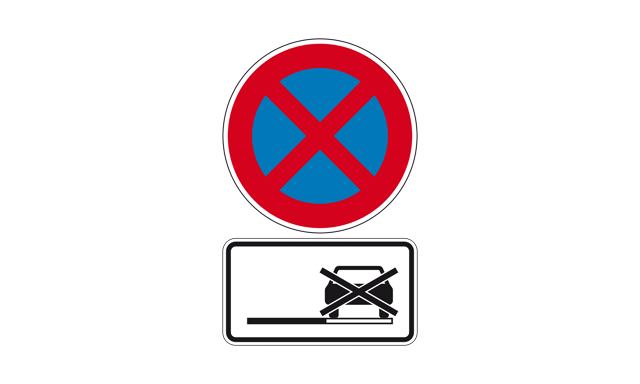
Explicación
The traffic sign signals the car driver that it is forbidden to come to a stop on the road. The additional sign extends the stopping restriction and also prohibits stopping on the side strip for all vehicles, not just for trucks.
-
Pregunta 42 de 69
¿Qué está permitido a partir de esta zona?
1.4.41-1352 puntos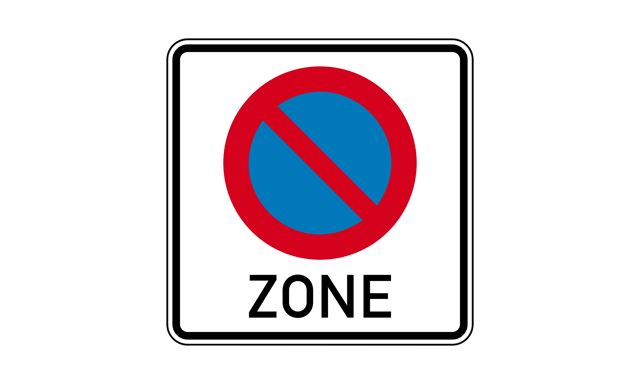
Explicación
With the traffic sign "No parking. Waiting is allowed.", there is a restricted stopping ban in an entire area without stopping signs being placed here in certain streets. As a car driver, you are allowed to wait up to three minutes throughout the entire zone. Situations of loading and unloading or getting in and out of the car may also take longer.
-
Pregunta 43 de 69
¿Qué finaliza aquí?
1.4.41-1362 puntos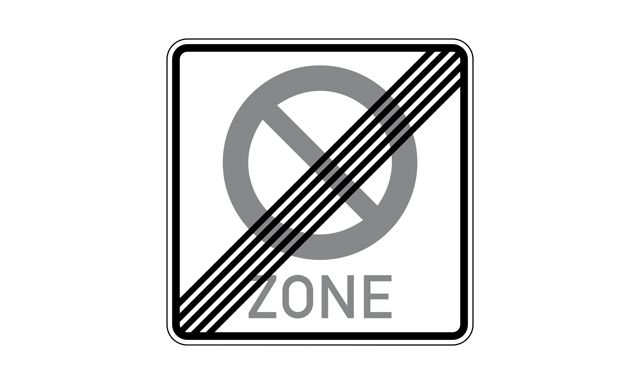
Explicación
Here the no parking zone ends. Note that this traffic sign is often only on placed on the left side of the road and does not suspend the stopping restriction.
-
Pregunta 44 de 69
¿En qué situaciones deberá poner el intermitente?
1.4.41-1403 puntos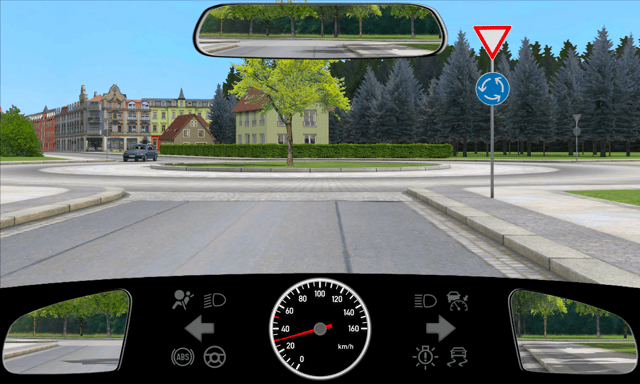
Explicación
If you enter the roundabout, you do not need to indicate this because the entrance to the circle is always to the right. On the other hand, if you leave the roundabout, you will need to indicate this to make it easier for other drivers to enter the circle.
-
Pregunta 45 de 69
Se aproxima a la siguiente combinación de señales. ¿Qué deberá tener en cuenta?
1.4.41-1414 puntos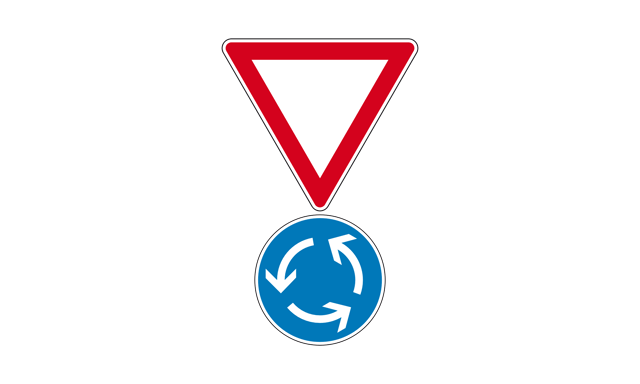
Explicación
Vehicles driving in the roundabout have right of way. Indicating when entering the roundabout is not necessary, as a roundabout is always entered from the right. Therefore, the answer "Entering the roundabout must be indicated" is wrong. You only indicate when you leave a roundabout. This makes sense because this makes it easier for vehicles to enter the roundabout.
-
Pregunta 46 de 69
¿Qué indica esta señal de tráfico?
1.4.41-1452 puntos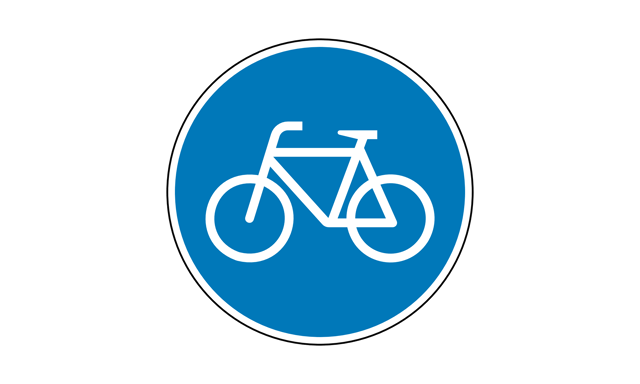
Explicación
This traffic sign identifies a cycle path that cyclists must use but is prohibited for other road users. Cyclists crossing the road have their own warning sign.
-
Pregunta 47 de 69
¿De qué avisa esta combinación de señales de tráfico?
1.4.41-1463 puntos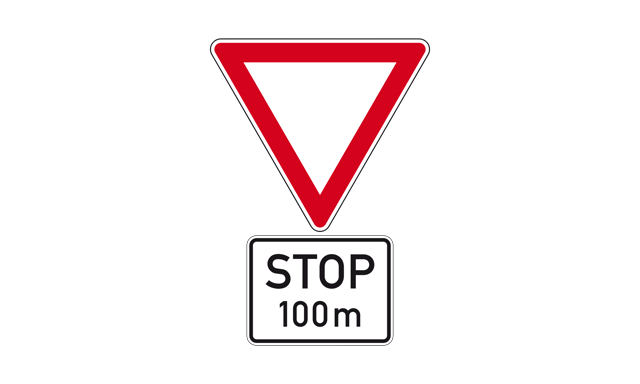
Explicación
The traffic sign announces that after a hundred meters you will find a priority road where you will find the traffic sign "Give way". In any case, you must stop there at the stop line or line of sight.
-
Pregunta 48 de 69
¿Qué indica esta señal de tráfico?
1.4.41-1472 puntos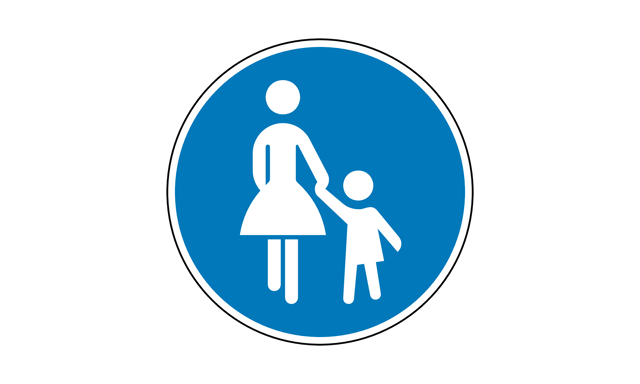
Explicación
The traffic sign "Footway" marks paths which may be used exclusively by pedestrians and cyclists up to 10 years. Car drivers, cyclists and other road users may not be traveling on these routes. However, exceptions may be regulated by additional signs.
-
Pregunta 49 de 69
En esta calle, ¿cómo ha de comportarse si conduce un vehículo de reparto a motor?
1.4.41-1493 puntos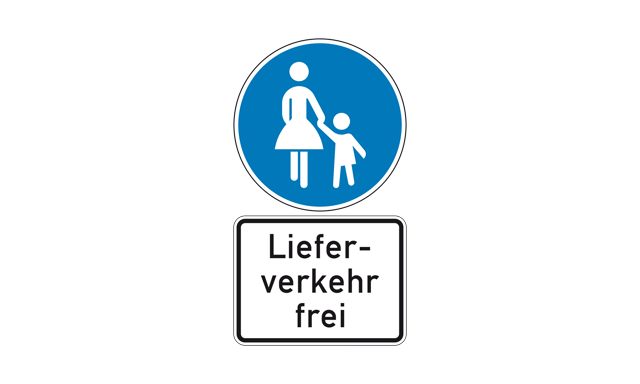
Explicación
Since the traffic sign "Footway" is combined here with the additional sign "Delivery vehicles only", a distributor may drive on a road that is marked this way. You have to drive at walking speed, regardless of whether pedestrians are visible or not. Pedestrians have priority, you should be especially considerate of them.
-
Pregunta 50 de 69
¿Qué indica esta señal de tráfico?
1.4.41-1522 puntos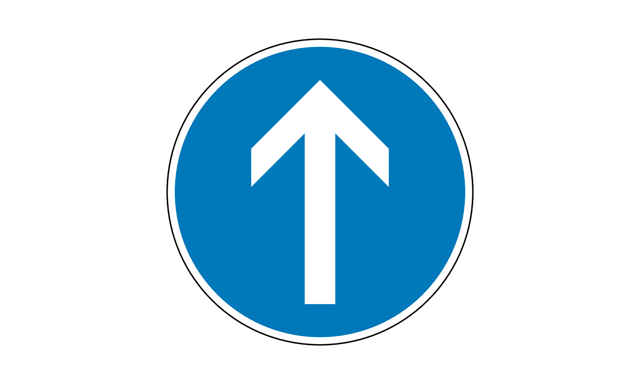
Explicación
This traffic sign means "You must go straight ahead". You can only drive straight ahead and are not allowed to turn. The one-way street sign has the same colors but is rectangular.
-
Pregunta 51 de 69
¿Qué hace ante esta señal de tráfico?
1.4.41-1534 puntos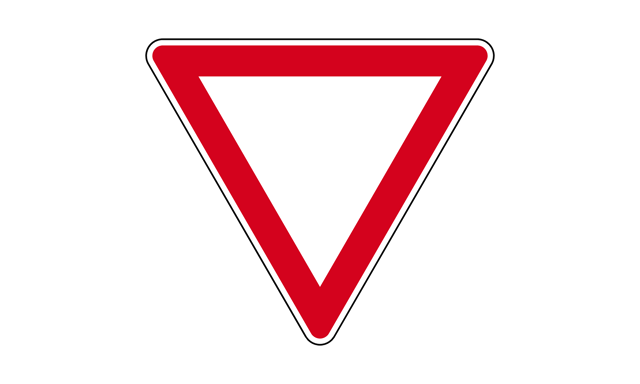
Explicación
The traffic signal "Give way" signals that you are driving on a subordinate road and the cross traffic has priority. Drive slowly and stay ready to brake so that you do not miss a vehicle that is entitled to drive.
-
Pregunta 52 de 69
¿Qué indica esta señal de tráfico?
1.4.41-1542 puntos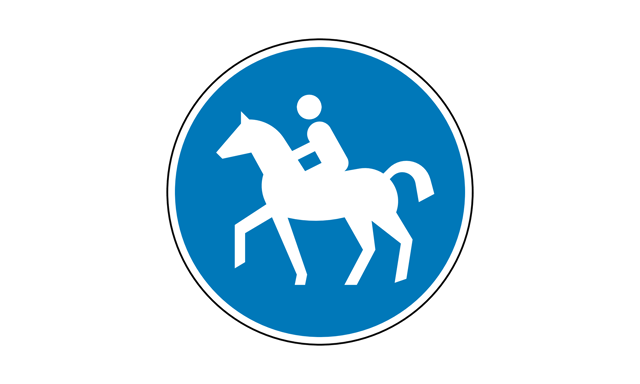
Explicación
This traffic sign shows you a riding path. Here riders move with their horses. Other road users are not allowed to use this path.
-
Pregunta 53 de 69
¿Qué tiene que hacer en esta situación?
1.4.41-1564 puntos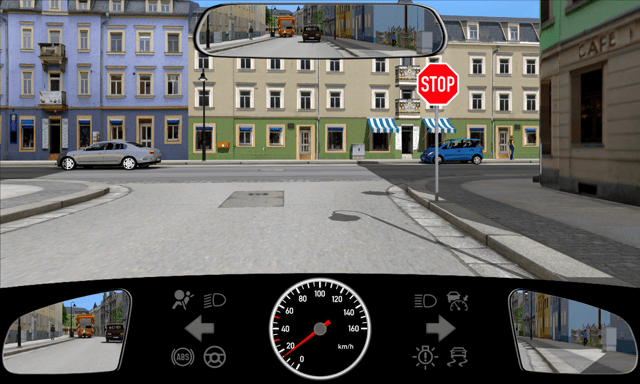
Explicación
At the traffic sign "Stop! Yield to cross traffic" you have to stop and give way. You always have to stop, even if there is no cross traffic. Since there is no stop line, stop at the line of sight. From the line of sight, you can see the street you want to enter.
-
Pregunta 54 de 69
¿Qué ha de tener en cuenta si ve esta señal de tráfico?
1.4.41-1592 puntos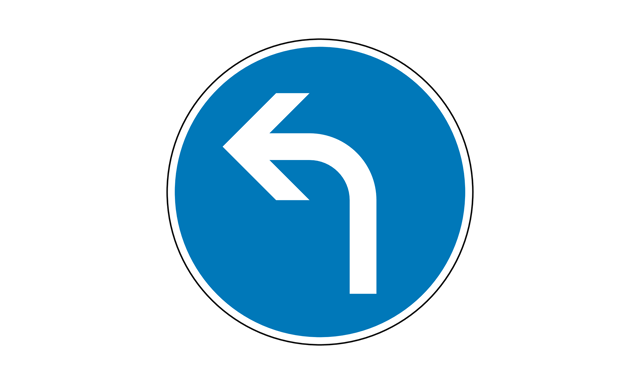
Explicación
This traffic sign regulates the direction of travel. You may only turn left here. The change of the direction of travel must be indicated.
-
Pregunta 55 de 69
¿Qué implica esta señal de tráfico?
1.4.41-1602 puntos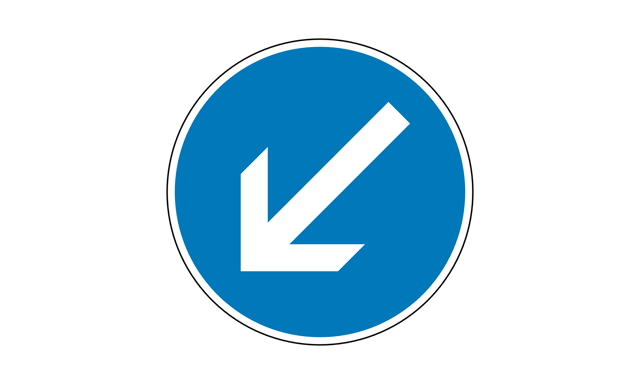
Explicación
This traffic sign prescribes from which side you have to circuit the obstacle. You can find the regulation sign at central, stop islands or construction sites. If you meet the sign at an intersection or T-junction, you may turn in the appropriate direction.
-
Pregunta 56 de 69
¿Qué es correcto en un espacio de 15 m antes y después de esta señal de tráfico?
1.4.41-1612 puntos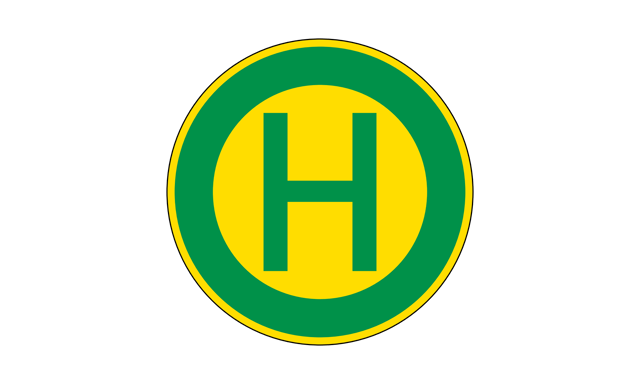
Explicación
At the traffic sign you can see that there is a tram or bus stop here. 15 meters before and after the traffic sign, drivers are not allowed to park their vehicles. Unless public transport is impeded or passengers are endangered, waiting is allowed for up to three minutes.
-
Pregunta 57 de 69
¿Qué implica esta señal de tráfico?
1.4.41-1622 puntos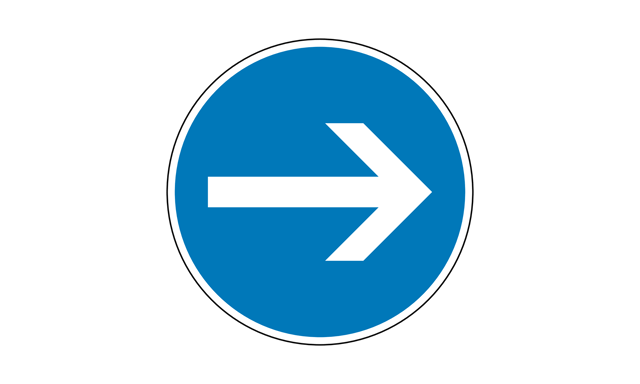
Explicación
The given direction of travel is binding. The car driver must turn right before the traffic sign and indicate this process to other road users.
-
Pregunta 58 de 69
¿Qué implica esta señal de tráfico?
1.4.41-1632 puntos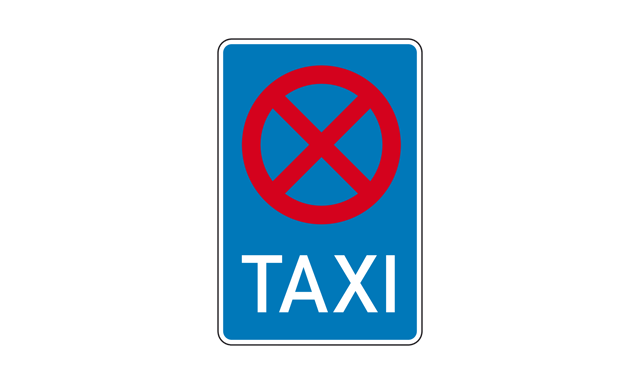
Explicación
The traffic sign indicates a taxi stand. There is basically a stopping restriction for all other vehicles. The car driver must always expect departing and arriving taxis and passengers in this area.
-
Pregunta 59 de 69
¿Qué indica esta combinación de señales de tráfico?
1.4.41-1642 puntos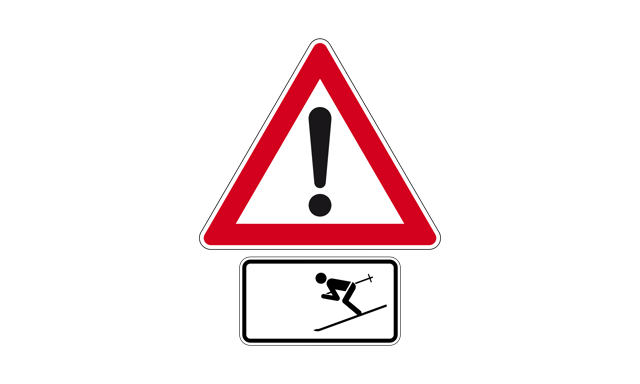
Explicación
This sign means "Danger zone" and the additional sign stands for "Winter sports allowed". The combination indicates that winter sportspersons may use the road and road users must pay particular attention to it.
-
Pregunta 60 de 69
¿Qué hay que tener en cuenta en esta situación de tráfico?
1.4.41-1654 puntos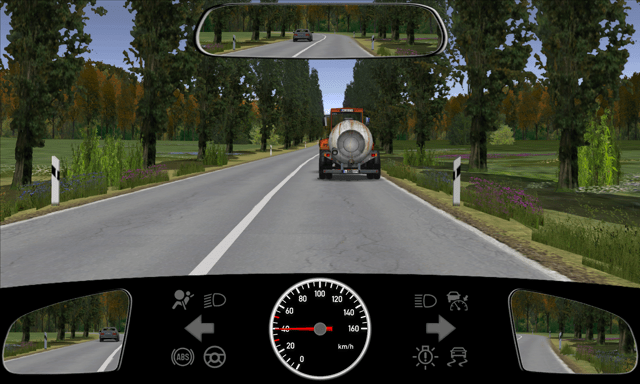
Explicación
You must not drive over the lane boundary (solid line) to the left, which is located at the middle of the lane. Driving on it is also prohibited.
-
Pregunta 61 de 69
Quiere adelantar. ¿Qué es lo correcto?
1.4.41-1673 puntos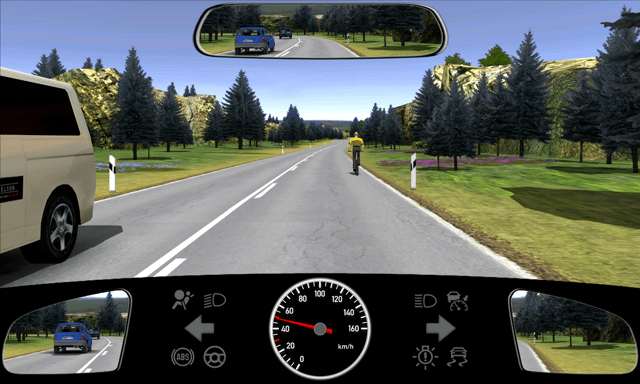
Explicación
You may overtake if other road users are not endangered. The one-sided lane boundary allows you to cross the two lines from the side where the broken line is located.
-
Pregunta 62 de 69
Usted es residente y quiere acceder a una ciclocalle en la que se ven estas señales. ¿Qué ha de tener en cuenta al hacerlo?
1.4.41-1682 puntos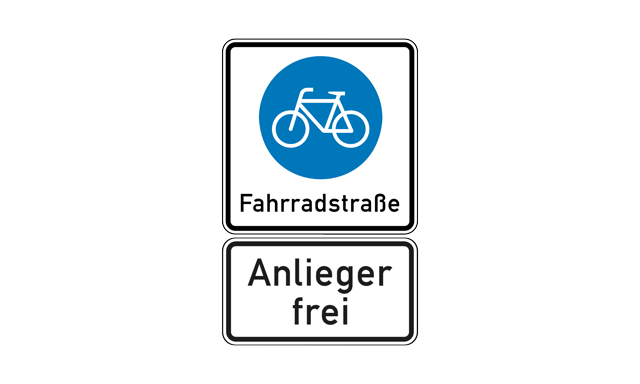
Explicación
A maximum speed of 30 km/h applies to traffic. Cycling traffic must not be endangered or obstructed. If necessary, motor vehicle traffic must reduce speed further. Side-by-side cycling is permitted.
-
Pregunta 63 de 69
¿Quiénes pueden acceder a una calle en la que se ven estas señales?
1.4.41-1692 puntos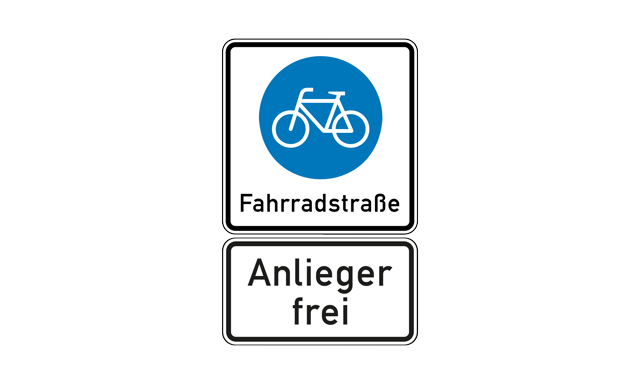
Explicación
Vehicular traffic other than cyclists may not use cycle lanes unless permitted by additional sign. The additional sign allows residents to enter the bicycle lane.
-
Pregunta 64 de 69
En el carril por el que va circulando se encuentra esta señal de tráfico. ¿Qué ha de tener en cuenta?
1.4.41-1703 puntos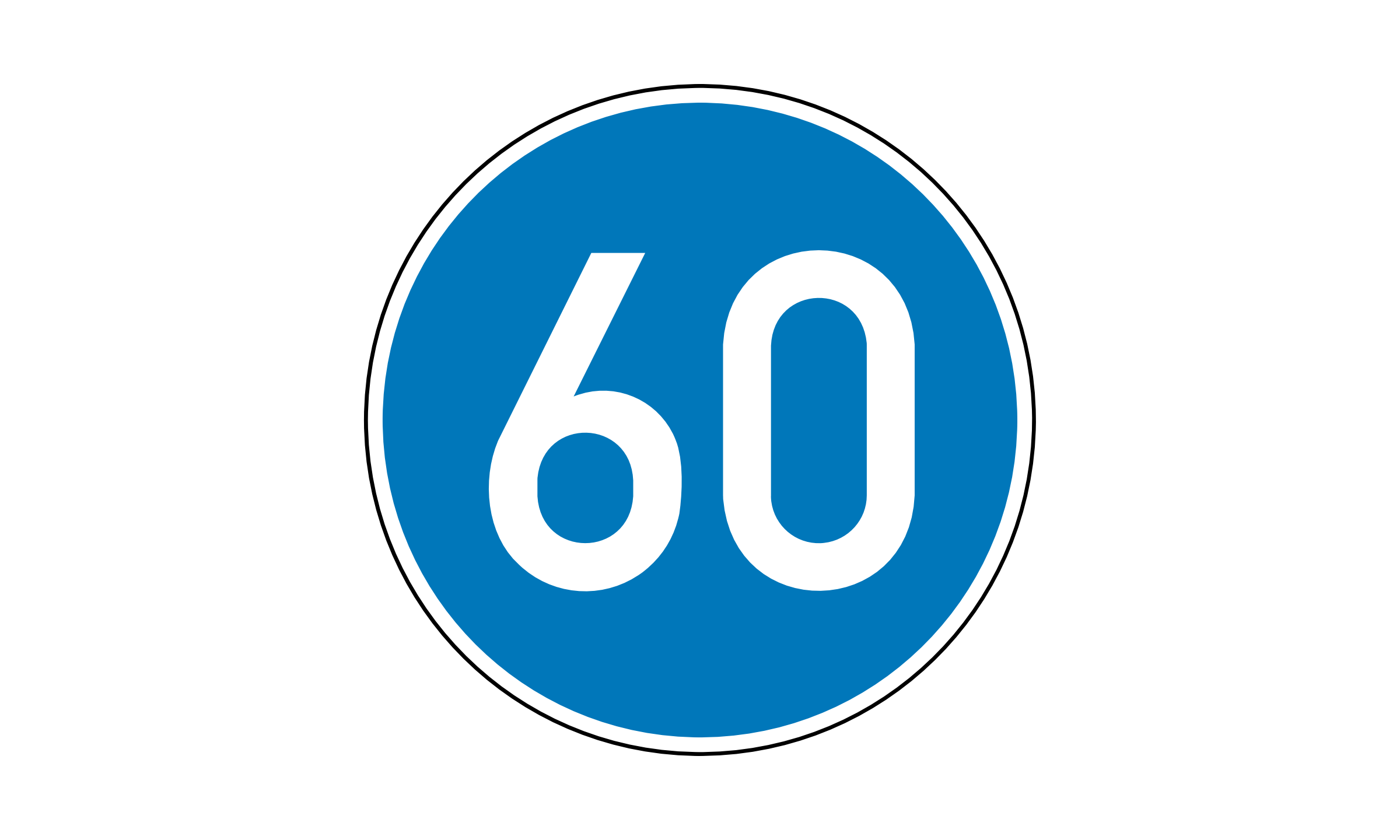
Explicación
This traffic sign indicates the prescribed minimum speed. You must therefore drive at least 60 km/h, provided that the road and traffic conditions allow it.
-
Pregunta 65 de 69
¿Cuál es la velocidad máxima a la que pueden circular los vehículos por una zona señalizada así?
1.4.41-1712 puntosExplicación
Cyclists, light electric vehicles and other authorized vehicles may not drive more than 30 km/h in bicycle zones.
-
Pregunta 66 de 69
¿Qué implica esta señal de tráfico?
1.4.41-1723 puntos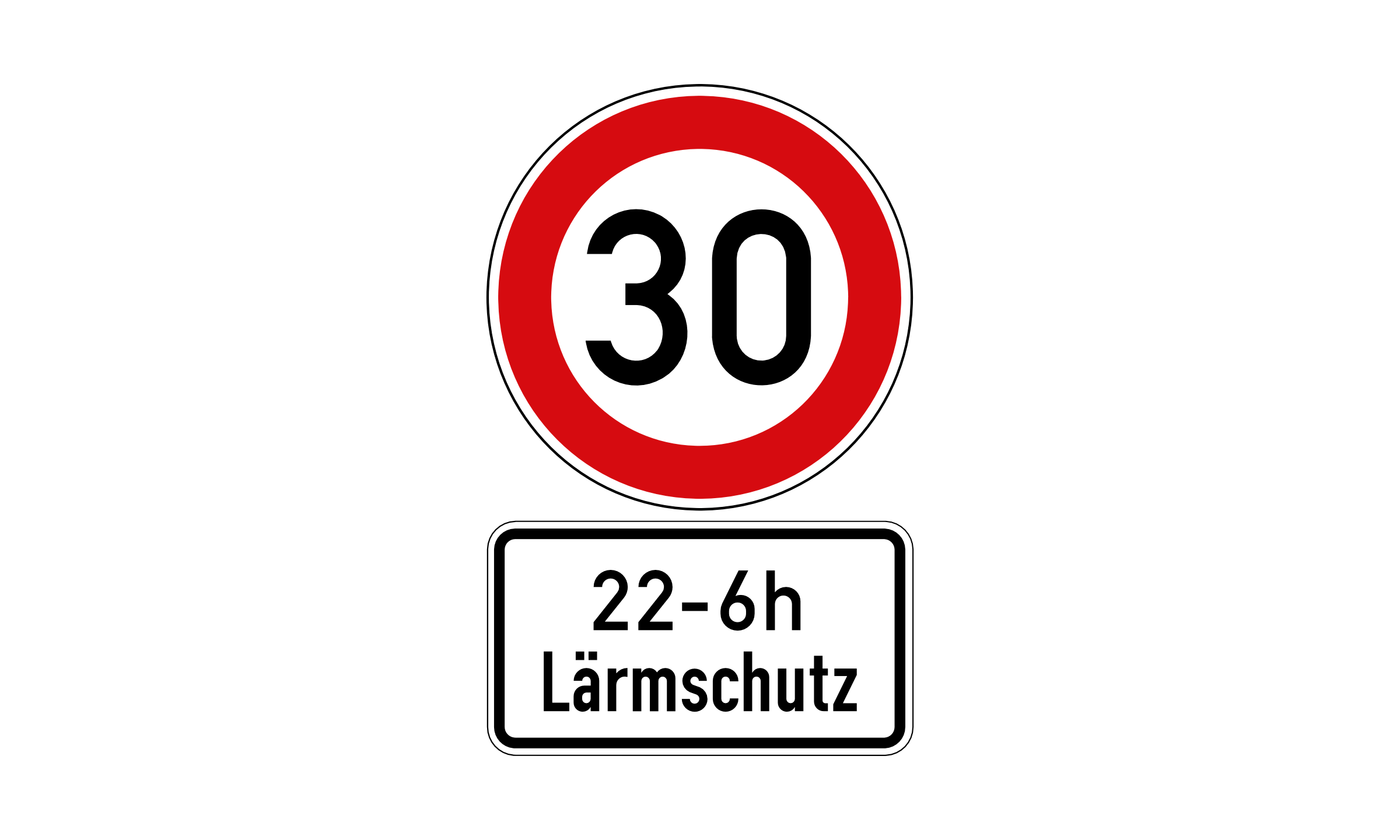
Explicación
The additional sign limits the speed limit between 10 pm and 6 am.
-
Pregunta 67 de 69
¿Cómo debe comportarse ante esta señal de tráfico?
1.4.41-1732 puntos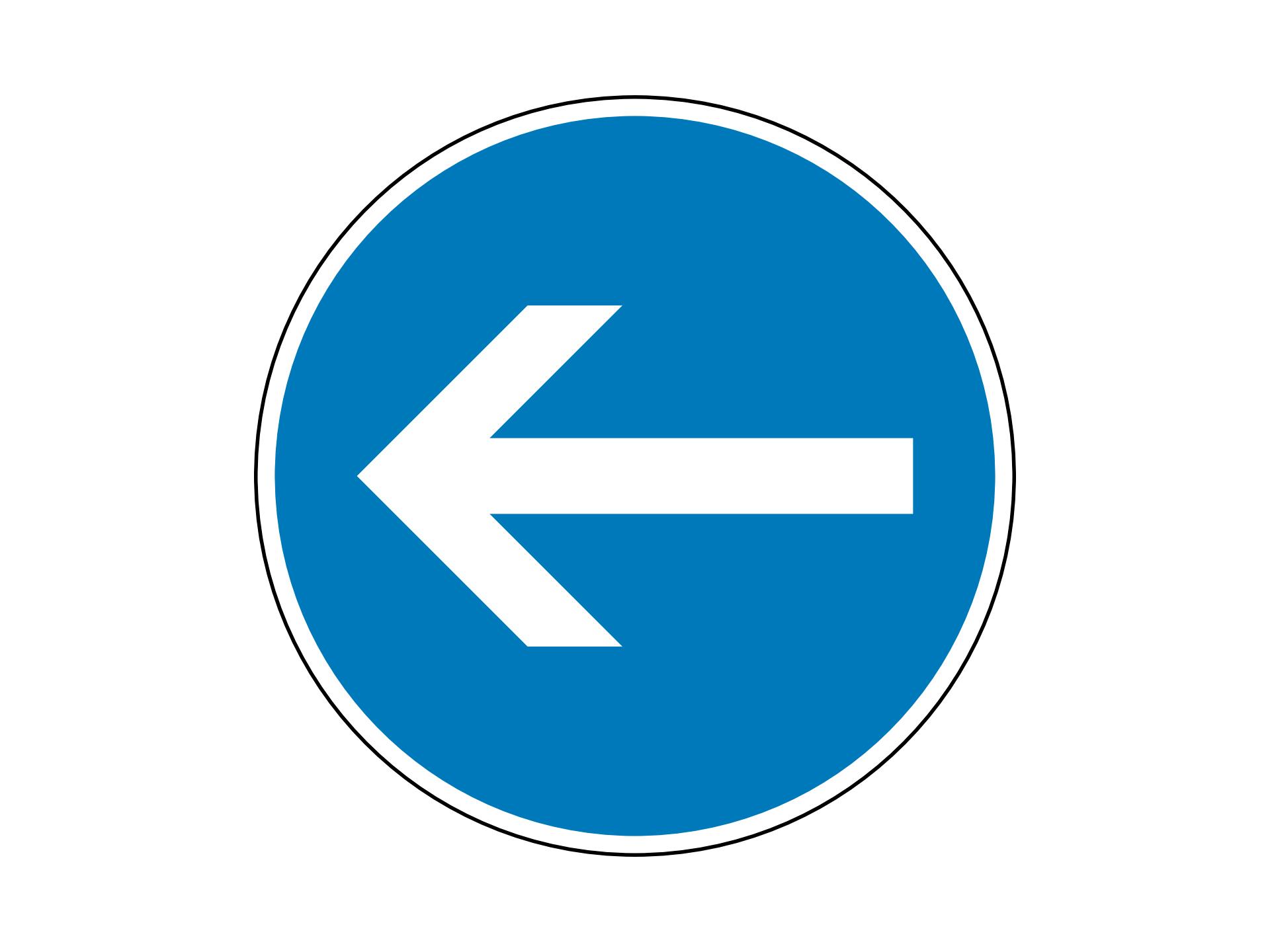
Explicación
The arrow on this traffic sign always shows the direction of travel. If it is a straight arrow, you have to turn in front of the sign. If it is a curved arrow, you must turn according to the sign. You have to flash to indicate the change in driving direction.
-
Pregunta 68 de 69
¿Qué señal de tráfico prohíbe girar?
1.4.41-1743 puntosExplicación
All traffic signs show you that turning is prohibited. The traffic sign tells you that a tunnel begins here. Turning is strictly prohibited in the tunnel. The traffic sign “Turning Prohibited” shows you that turning is prohibited here. This traffic sign tells you that you are on a highway. U-turns are strictly prohibited on the highway.
-
Pregunta 69 de 69
¿Con qué señal de tráfico no puede superar la velocidad máxima permitida de 60 km/h?
1.4.41-1753 puntosExplicación
Traffic signs with a red border generally indicate a ban. On a road with such a traffic sign you are not allowed to exceed the maximum permitted speed of 60 km/h.