
1.4.41 Regulatory sign
A practical study guide for the German driving exam. Learn what the signs order, forbid, or allow — and what you must do in real traffic.
Red circle
Usually means a prohibition or restriction.
Blue circle
Usually means a mandatory instruction.
Extra plates
Limit, expand, or explain when a rule applies.
How to learn this chapter fast
Identify the sign type
Is it a ban, command, priority rule, or road marking?
Ask: what must I do?
Stop, yield, slow down, indicate, wait, or avoid entry?
Check exceptions
Look for extra plates such as residents, delivery vehicles, wet road, or time limits.
Think exam action
The exam asks what you do, not only what the sign is called.
Regulatory Signs
German Traffic Regulatory Signs
Regulatory signs give drivers mandatory instructions, restrictions, priorities, and road-use rules.
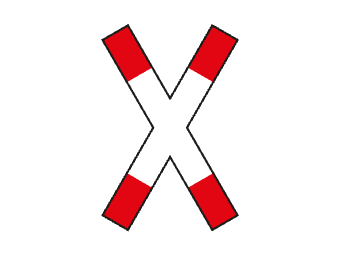
Code 201
St. Andrew's Cross
Marks a railway crossing where rail traffic has priority.
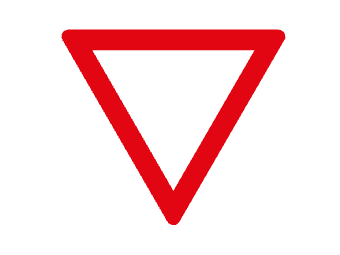
Code 205
Give Way
Requires drivers to yield to traffic on the priority road.
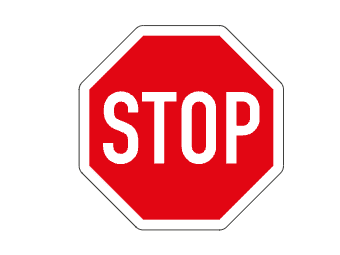
Code 206
Stop and Give Way
Requires a full stop before yielding to priority traffic.
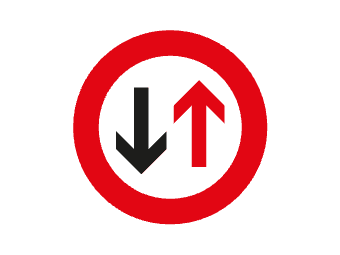
Code 208
Priority for Oncoming Traffic
Requires drivers to yield to vehicles coming from the opposite direction.
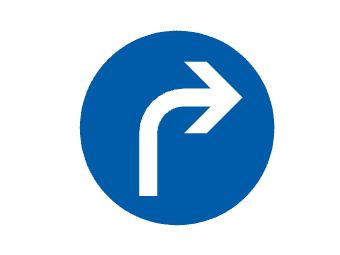
Code 209-20
Mandatory Direction Right
Drivers must turn right direction with indication.
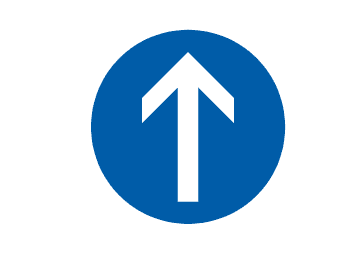
Code 209-30
Mandatory Direction Straight Ahead
Drivers must continue straight ahead.
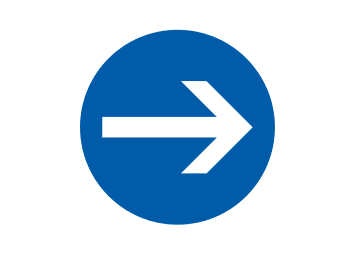
Code 211-20
Turn Right Here
Drivers must turn right at this point.
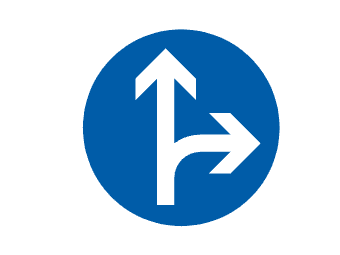
Code 214-20
Straight Ahead or Right Only
Drivers may only go straight ahead or turn right.
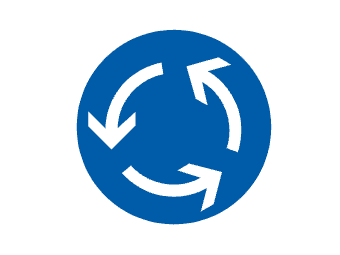
Code 215
Roundabout
Indicates mandatory circulation around a roundabout.
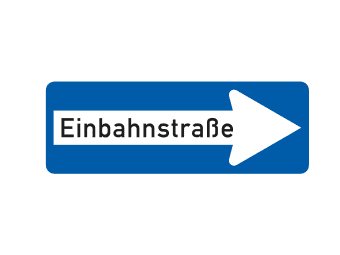
Code 220
One-Way Street
Shows that traffic is allowed only in one direction.
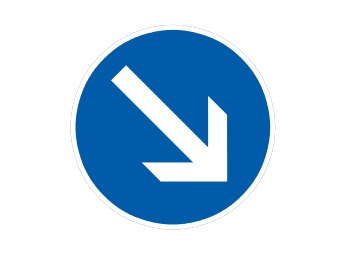
Code 222-20
Pass on the Right
Drivers must pass the obstacle on the right side.
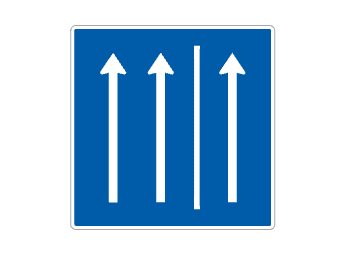
Code 223.1
Use Hard Shoulder
Allows or requires traffic to use the hard shoulder.
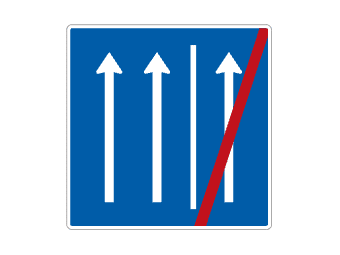
Code 223.2
End of Hard Shoulder Use
Indicates that driving on the hard shoulder is no longer allowed.
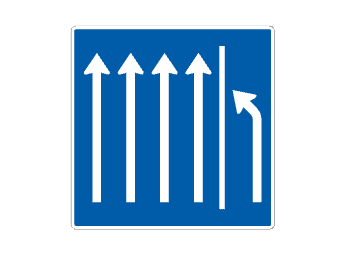
Code 223.3
Clear the Hard Shoulder
Requires drivers to leave the hard shoulder.
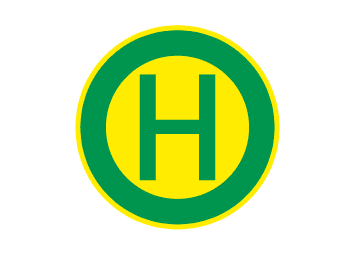
Code 224
Bus Stop
Marks a stop for regular buses and school buses.
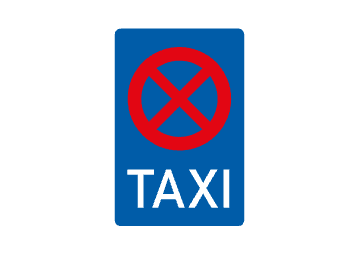
Code 229
Taxi Stand
Marks a reserved stopping area for taxis.
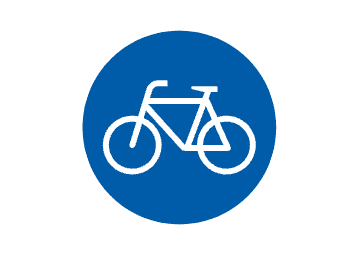
Code 237
Cycle Path
Indicates a mandatory path for cyclists.
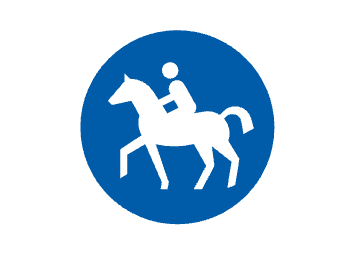
Code 238
Bridle Path
Indicates a mandatory path for riders on horseback.
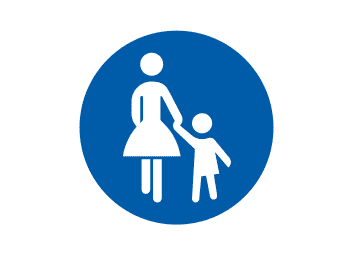
Code 239
Footpath
Indicates a path reserved for pedestrians.
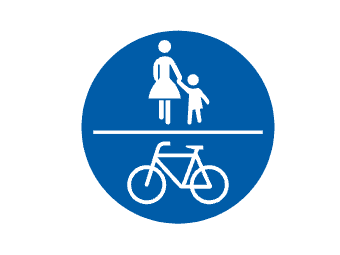
Code 240
Shared Footpath and Cycle Path
Indicates a shared path for pedestrians and cyclists.
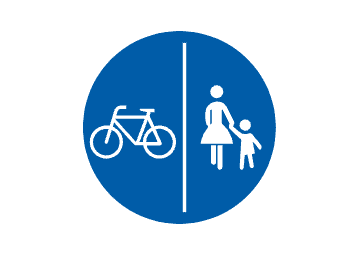
Code 241
Separated Cycle Path and Footpath
Indicates separate areas for cyclists and pedestrians.
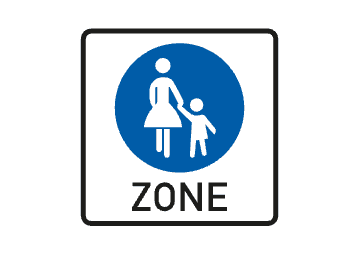
Code 242.1
Start of Pedestrian Zone
Marks the beginning of an area mainly reserved for pedestrians.
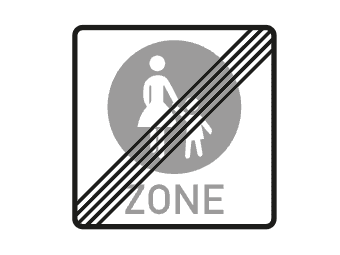
Code 242.2
End of Pedestrian Zone
Marks the end of a pedestrian zone.
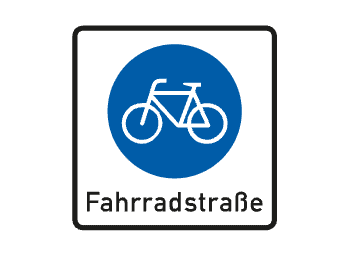
Code 244.1
Start of Bicycle Street
Marks a street where bicycle traffic has special priority.
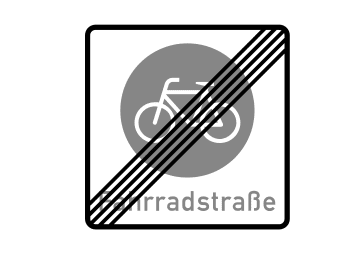
Code 244.2
End of Bicycle Street
Marks the end of a bicycle street.
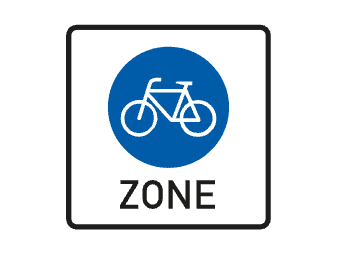
Code 244.3
Start of Bicycle Zone
Marks the beginning of an area with special bicycle rules.
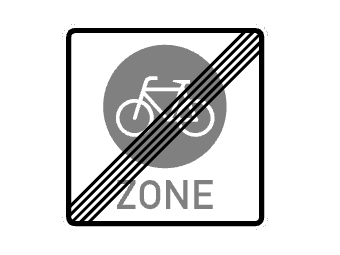
Code 244.4
End of Bicycle Zone
Marks the end of a bicycle zone.
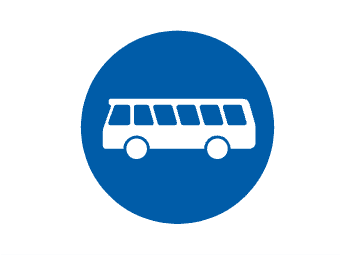
Code 245
Bus Lane
Marks a traffic lane reserved for buses.
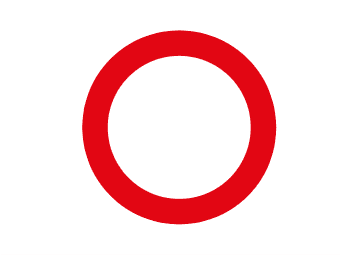
Code 250
No Vehicles
Prohibits entry for all types of vehicles.
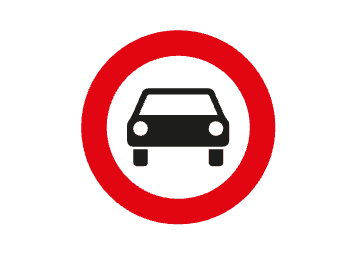
Code 251
No Cars or Multi-Track Motor Vehicles
Prohibits cars and other multi-track motor vehicles.
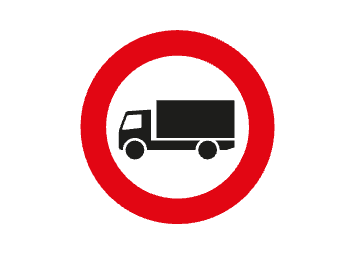
Code 253
No Motor Vehicles Over 3.5 t
Prohibits heavy motor vehicles above the stated weight class.
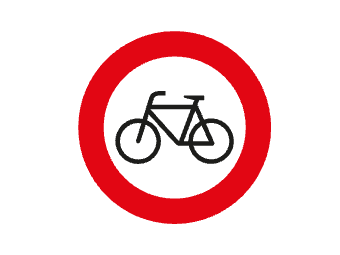
Code 254
No Cycling
Prohibits bicycle traffic.
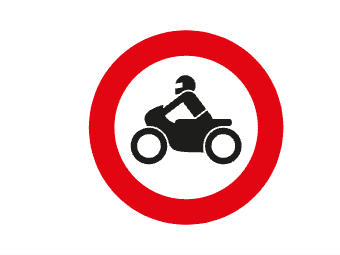
Code 255
No Motorcycles, Mopeds, or Small Motorcycles
Prohibits motorcycles, mopeds, and similar motorized two-wheelers.
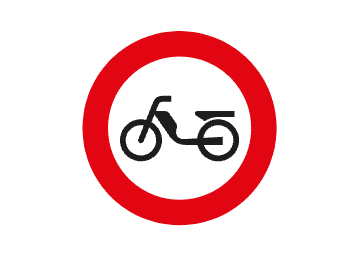
Code 257-50
No Mopeds
Prohibits mopeds from using the road or path.
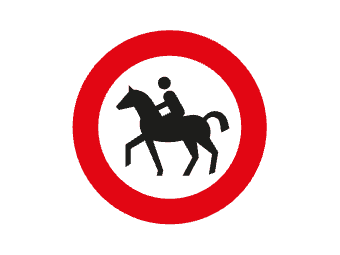
Code 257-51
No Riders
Prohibits horseback riders from using the route.
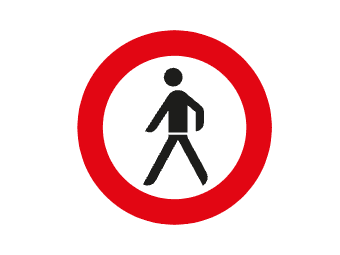
Code 259
No Pedestrians
Prohibits pedestrians from using the road or path.
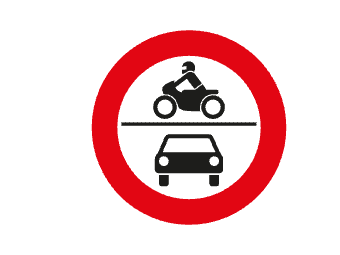
Code 260
No Motor Vehicles
Prohibits motor vehicles from entering.
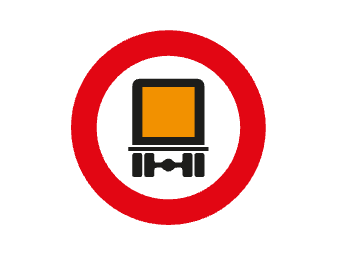
Code 261
No Vehicles Carrying Dangerous Goods
Prohibits vehicles carrying marked hazardous goods.
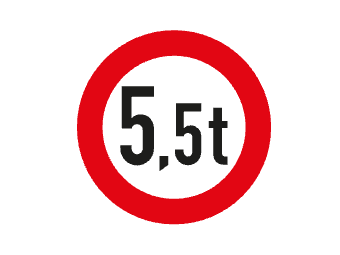
Code 262
Maximum Actual Weight Limit
Prohibits vehicles exceeding the indicated actual weight.
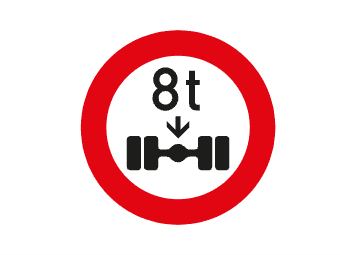
Code 263
Maximum Axle Load Limit
Prohibits vehicles exceeding the indicated axle load.
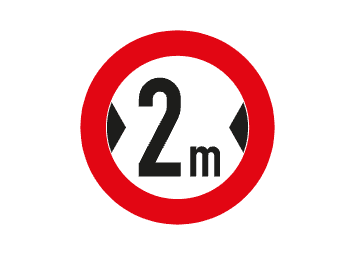
Code 264
Maximum Width Limit
Prohibits vehicles wider than the indicated width.
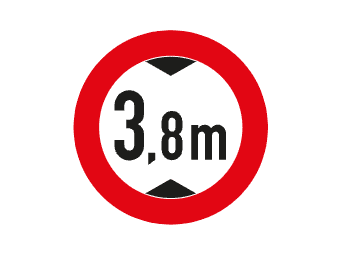
Code 265
Maximum Height Limit
Prohibits vehicles higher than the indicated height.
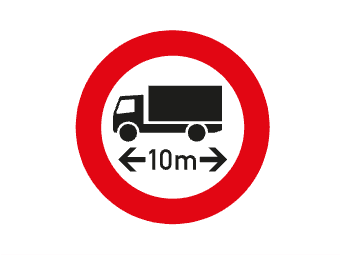
Code 266
Maximum Length Limit
Prohibits vehicles longer than the indicated length.
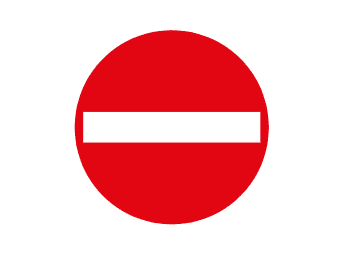
Code 267
No Entry
Prohibits vehicles from entering from this direction.
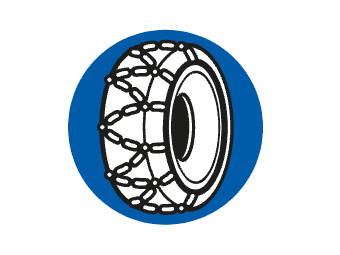
Code 268
Snow Chains Required
Requires vehicles to use snow chains.
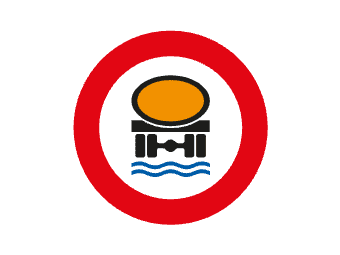
Code 269
No Vehicles Carrying Water-Polluting Cargo
Prohibits vehicles carrying cargo that may endanger water.
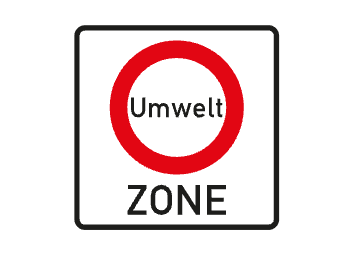
Code 270.1
Start of Low Emission Zone
Marks the beginning of a zone restricting traffic to reduce air pollution.
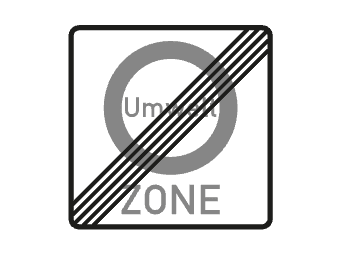
Code 270.2
End of Low Emission Zone
Marks the end of a low emission traffic restriction zone.
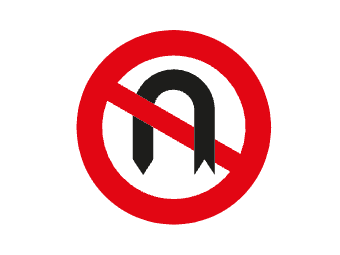
Code 272
No U-Turn
Prohibits turning the vehicle around.
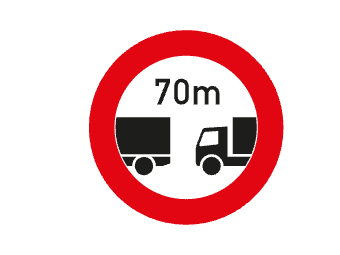
Code 273
Minimum Distance Required
Requires drivers to keep at least the indicated distance.
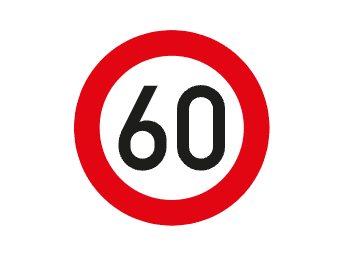
Code 274
Maximum Speed Limit
Sets the maximum permitted speed.
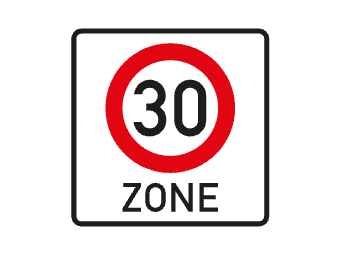
Code 274.1
Start of 30 km/h Zone
Marks the beginning of a zone with a 30 km/h speed limit.
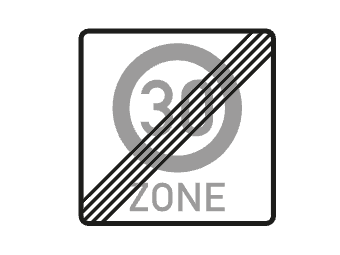
Code 274.2
End of 30 km/h Zone
Marks the end of a 30 km/h speed limit zone.
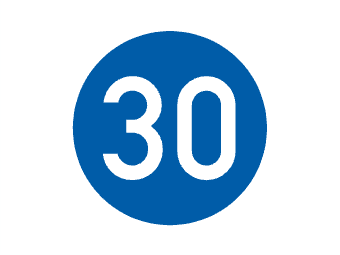
Code 275
Minimum Speed
Requires vehicles to travel at least the indicated speed.
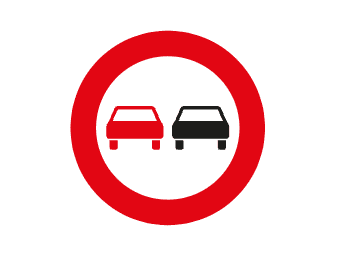
Code 276
No Overtaking
Prohibits motor vehicles from overtaking other motor vehicles.
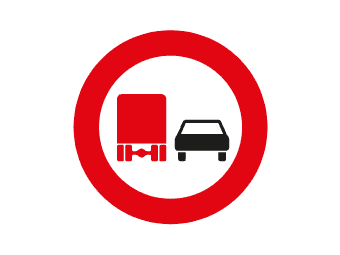
Code 277
No Overtaking for Vehicles Over 3.5 t
Prohibits heavy vehicles from overtaking.
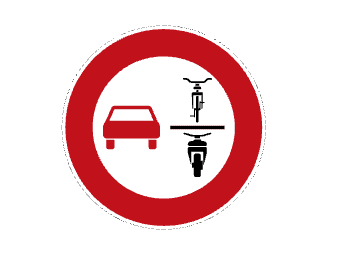
Code 277.1
No Overtaking Single-Track Vehicles
Prohibits multi-track vehicles from overtaking bicycles and similar vehicles.
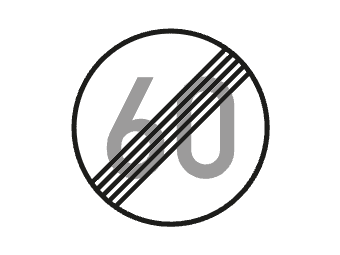
Code 278
End of Maximum Speed Limit
Cancels the previously indicated maximum speed limit.
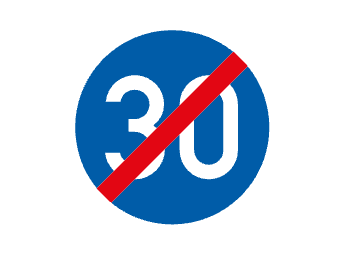
Code 279
End of Minimum Speed
Cancels the previously required minimum speed.
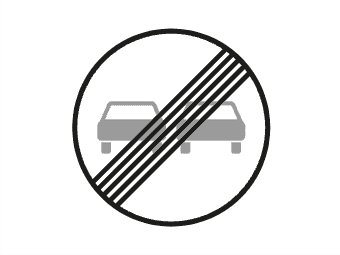
Code 280
End of No Overtaking
Cancels the overtaking restriction for motor vehicles.
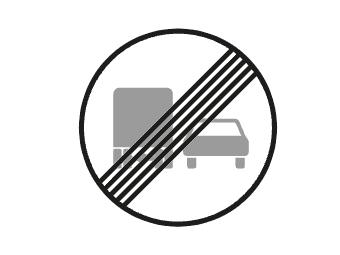
Code 281
End of No Overtaking for Vehicles Over 3.5 t
Cancels the overtaking restriction for heavy vehicles.
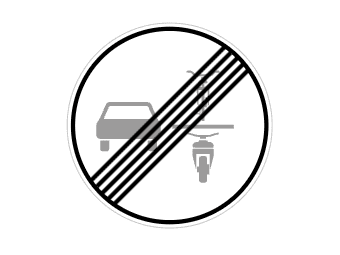
Code 281.1
End of No Overtaking Single-Track Vehicles
Cancels the restriction on overtaking single-track vehicles.
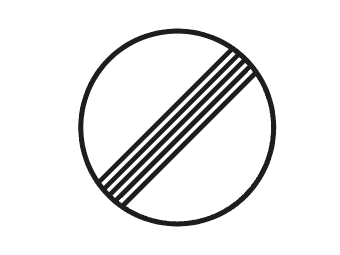
Code 282
End of All Route Restrictions
Ends all route-based speed limits and overtaking bans.
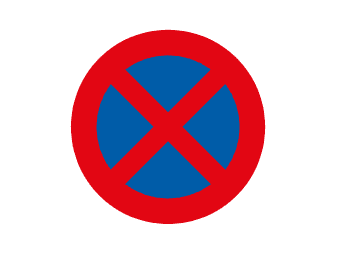
Code 283
No Stopping
Prohibits stopping, including parking.
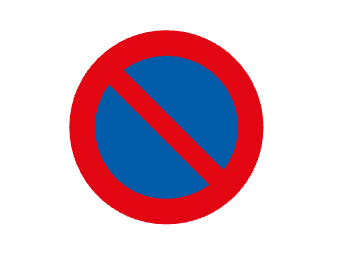
Code 286
No Parking
Allows brief stopping, but prohibits parking.
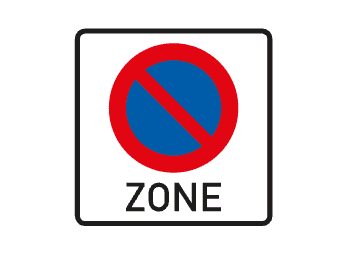
Code 290.1
Start of No Parking Zone
Marks the beginning of a zone where parking is restricted.
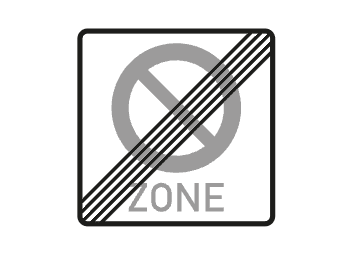
Code 290.2
End of No Parking Zone
Marks the end of a no parking zone.
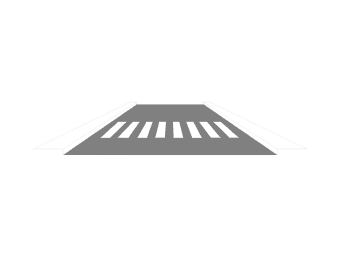
Code 293
Pedestrian Crossing Marking
Marks a pedestrian crossing on the road surface.
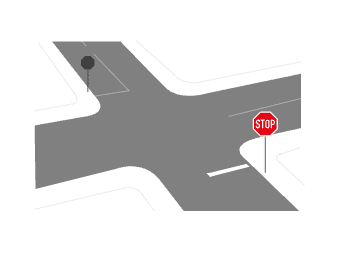
Code 294
Stop Line
Shows where vehicles must stop when required.
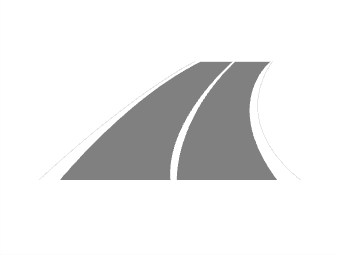
Code 295
Lane and Roadway Boundary
Marks lane boundaries or the edge of the roadway.
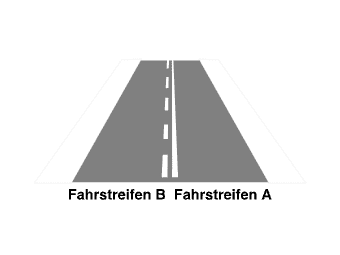
Code 296
One-Sided Lane Boundary
Allows crossing only from the broken-line side.
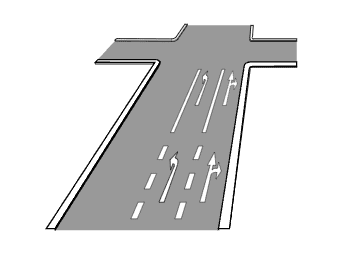
Code 297
Arrow Markings
Indicate permitted or required driving directions in a lane.
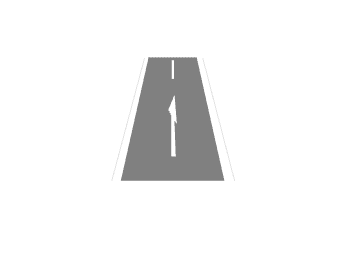
Code 297.1
Advance Lane-End Arrow
Warns that a lane boundary or lane ending is approaching.
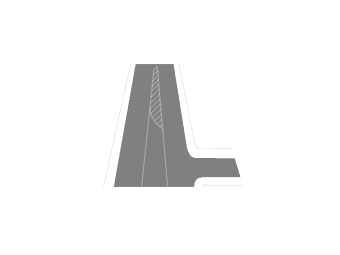
Code 298
Blocked Area Marking
Marks an area of the road that vehicles must not use.
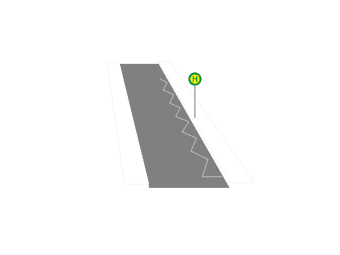
Code 299
Boundary Marking for Stopping or Parking Restrictions
Shows the area where stopping or parking restrictions apply.
Must-remember rules
- Stop sign: Always stop completely — even if nobody is coming.
- Give way: Slow down, be ready to brake, and let priority traffic pass.
- Roundabout: Indicate only when leaving, not when entering.
- No stopping: Do not stop for passengers, loading, or waiting.
- No parking: Waiting up to 3 minutes is allowed, unless extra rules say otherwise.
- School bus: Expect children; pass only at walking speed when required.
Mini quiz
A stop sign is ahead, but there is no cross traffic. Must you stop?
Yes. You must stop completely at the stop line or line of sight.
You enter a roundabout. Do you indicate?
No. You indicate only when leaving the roundabout.
A no-parking sign is shown. Can people get in or out?
Yes, stopping for getting in/out or loading/unloading is allowed. Waiting up to 3 minutes is usually allowed.
A school bus is stopped. What should you expect?
Children may suddenly run onto the road. Be ready to brake and pass only at walking speed when required.
Final exam checklist
Practice Questions (69)
-
Question 1 of 69
When must you wait at this traffic sign?
1.4.41-0013 Points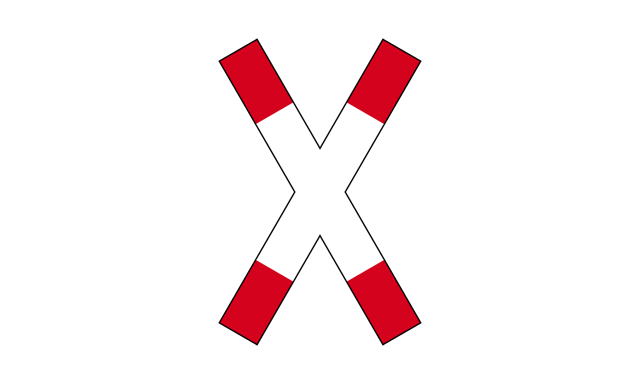
Explanation
The diagonal cross in front of a railroad crossing signals the right of way for rail traffic. When a rail vehicle approaches, you have to wait in front of the sign. The same applies if railway staff waves a white-red-white flag. If you are in danger of comingThe diagonal cross in front of a railroad crossing signals the right of way for rail traffic. When a rail vehicle approaches, you have to wait in front of the sign. The same applies if railway staff waves a white-red-white flag. If you are in danger of coming to a stop on the railroad crossing due to traffic jams, you must also wait in front of the diagonal cross until you can quickly cross the railroad crossing. to a stop on the railroad crossing due to traffic jams, you must also wait in front of the diagonal cross until you can quickly cross the railroad crossing.
-
Question 2 of 69
What do you do when you see this traffic sign?
1.4.41-0042 Points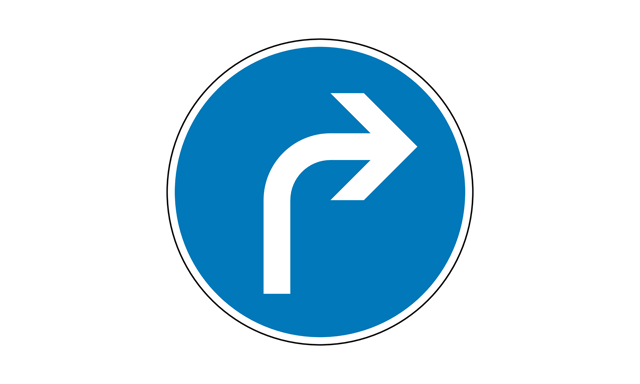
Explanation
The traffic sign "Turn right here in front of the sign" only allows you to drive to the right. Even if there is only this one option, the change of the direction of travel needs to be indicated.
-
Question 3 of 69
In which directions may you proceed?
1.4.41-0062 Points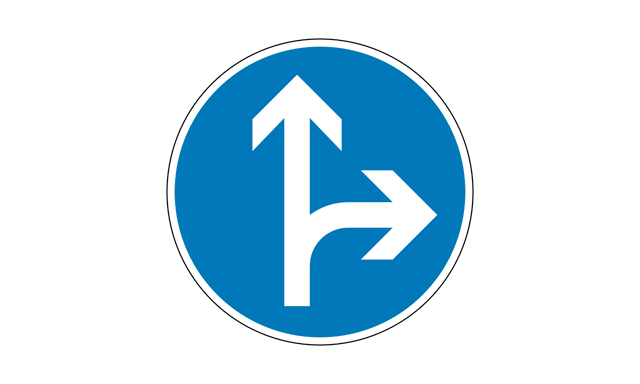
Explanation
The traffic sign "You must go straight or turn right" prohibits turning to the left. Allowed are only the other directions straight ahead and right. If you turn to the right, you must indicate the change of direction.
-
Question 4 of 69
What must you do when you see this traffic sign?
1.4.41-0072 Points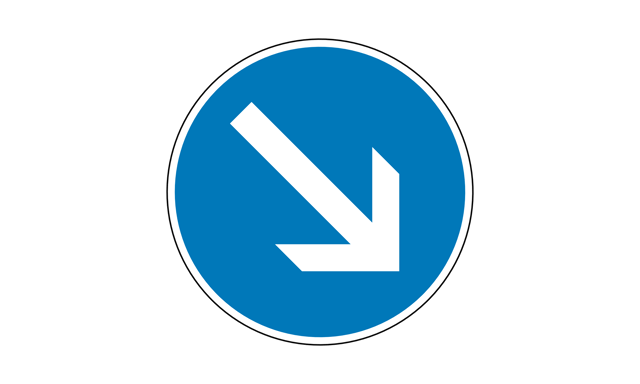
Explanation
The traffic sign "Keep right of traffic" indicates that you have to drive past an obstacle on the right. These include traffic islands, construction sites or bus stops. If there is an intersection or T-junction before the marked point, you may turn right as well as left. If you swing out while driving around an obstacle, you have to indicate that.
-
Question 5 of 69
You are approaching a bus stop marked like this. What do you do if you see children there?
1.4.41-0085 Points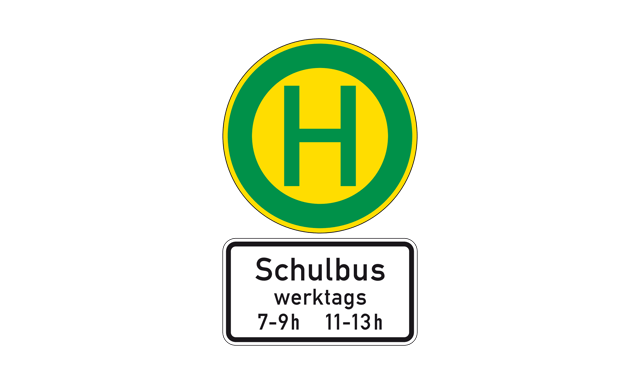
Explanation
This stop is a bus stop where school buses operate at the times indicated. If you approach this stop, you will have to expect children who suddenly run onto the road; the principle of trust does not apply in this case. If a school bus is in the passenger bay or on the street, you have to be able to brake as a car driver; You may only drive past at walking speed.
-
Question 6 of 69
Which vehicles are not allowed to drive here?
1.4.41-0122 Points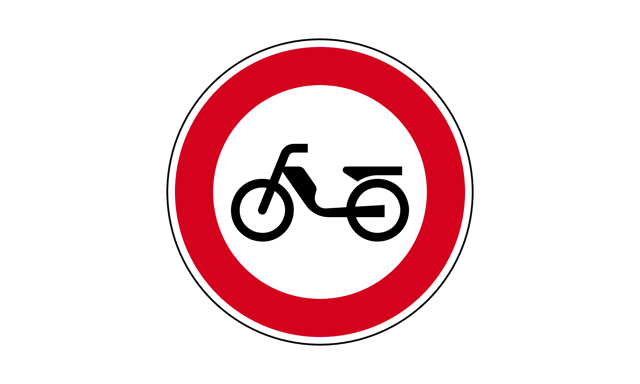
Explanation
The traffic sign "No Motorbikes Permitted" only applies to mopeds. It does not apply to mopeds and light motorcycles. The low speed of motorbikes would hinder the flow of traffic on this road.
-
Question 7 of 69
What is allowed at this traffic sign?
1.4.41-0152 Points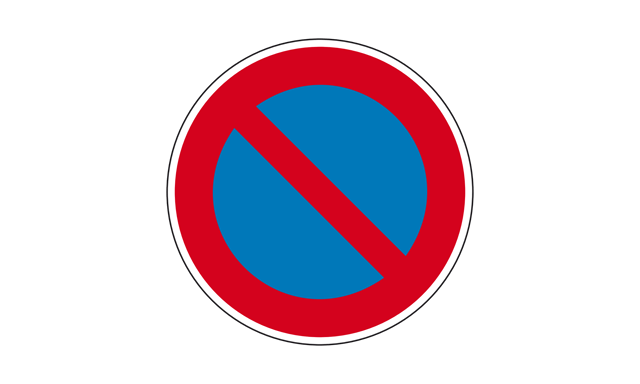
Explanation
The sign "No parking. Waiting is allowed." sign allows you to wait for up to three minutes. Situations of loading and unloading or getting in and out of the car may also take longer. The car driver must be in the immediate vicinity of the vehicle.
-
Question 8 of 69
What is true in the case of this traffic sign combination?
1.4.41-0173 Points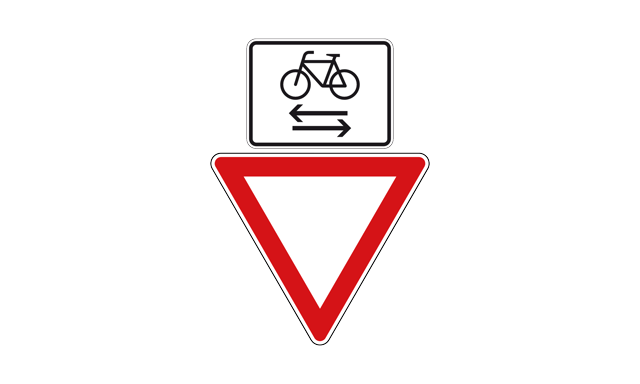
Explanation
The additional sign indicates that cycle traffic could be coming from the left and right. Therefore, even if you only want to turn right, pay attention to both directions. Electric scooters are becoming more common, they ride on the cycle path, so watch out for scooter riders as well.
-
Question 9 of 69
What vehicles may enter a cycle highway that has this sign?
1.4.41-0182 Points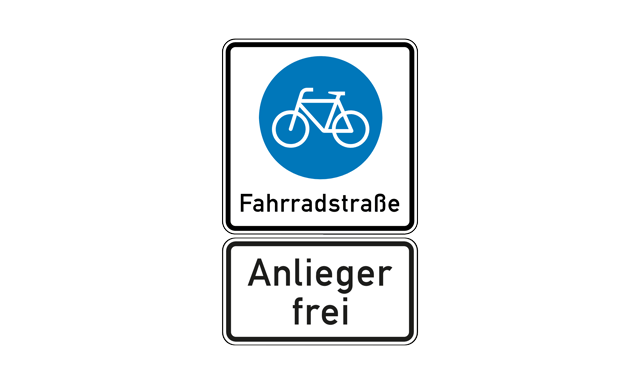
Explanation
Vehicular traffic other than cyclists is not allowed to use cycle lanes unless permitted by additional signs. The additional sign allows residents to enter the cycle lane.
-
Question 10 of 69
What is true in relation to yellow road markings?
1.4.41-0193 PointsExplanation
Yellow lane markings are placed temporarily, e.g. to change the course of the lane due to a construction site. The white lane markings are replaced by the yellow ones.
-
Question 11 of 69
What is true in this situation?
1.4.41-0203 Points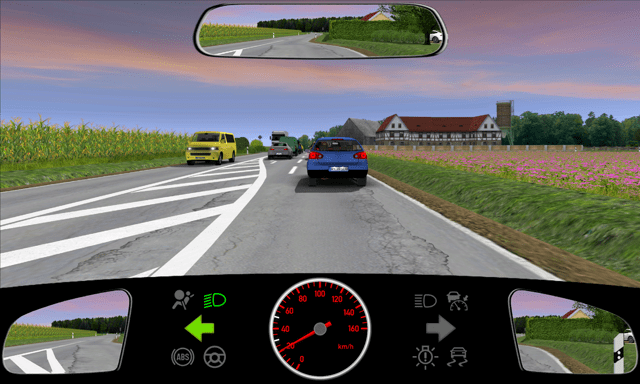
Explanation
A restricted area may not be driven on as a matter of principle.
-
Question 12 of 69
What vehicles may enter a zone with this sign?
1.4.41-0212 Points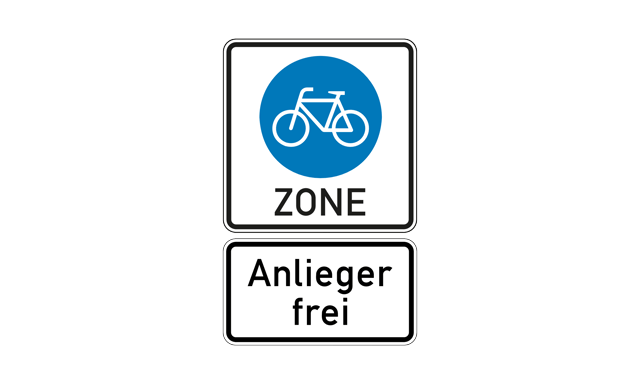
Explanation
The traffic sign shows a bicycle zone with the additional sign "Anleger frei". In bicycle zones, the rule of "right before left" applies. Cyclists, very small electric vehicles and other authorised vehicles are allowed to travel at a maximum speed of 30 km/h in bicycle zones. Cyclists and very small electric vehicles may ride side by side in bicycle zones. The additional sign also allows residents to ride in the bicycle zone.
-
Question 13 of 69
Within a built-up area, what should you note when driving on a road where this traffic sign combination is displayed?
1.4.41-0222 Points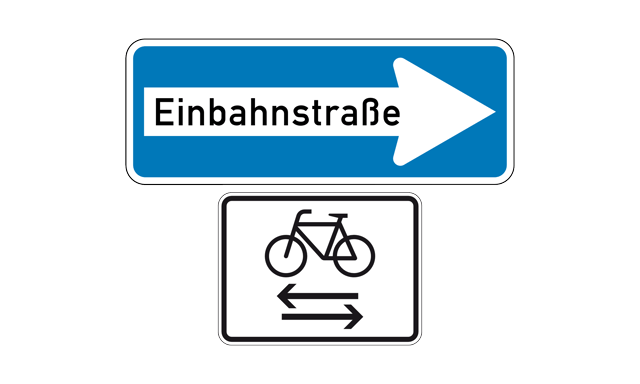
Explanation
The one-way street sign also applies to cyclists, but with this traffic sign combination they are allowed to ride in both directions. Please note, however, that when overtaking cyclists in built-up areas, a minimum lateral distance of 1.5 m must always be maintained.
-
Question 14 of 69
This traffic sign is displayed on the right-hand kerbside. What does it mean?
1.4.41-0232 Points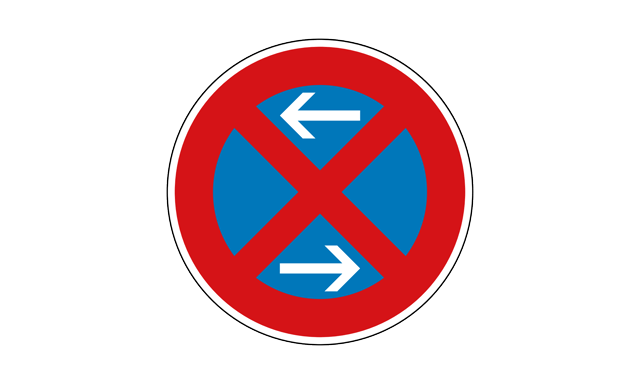
Explanation
The traffic sign indicates an absolute no-stopping zone in the area in front of and behind the traffic sign. The arrow pointing to the left indicates that you are not allowed to stop after the sign, the arrow pointing to the right indicates that you are not allowed to stop in front of the sign.
-
Question 15 of 69
This traffic sign is displayed on the right-hand kerbside. What does it indicate?
1.4.41-0242 Points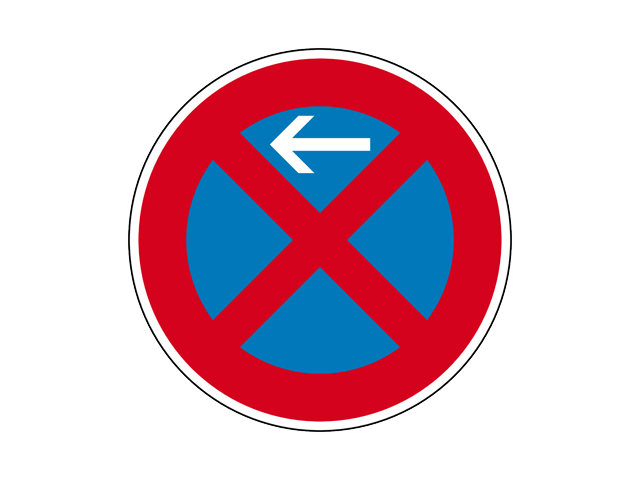
Explanation
The traffic sign signals the beginning of an absolute prohibition to stop from the traffic sign. The arrow pointing to the left shows that the prohibition of stopping begins from the sign.
-
Question 16 of 69
What do you have to be aware of when you see with this traffic sign?
1.4.41-0252 Points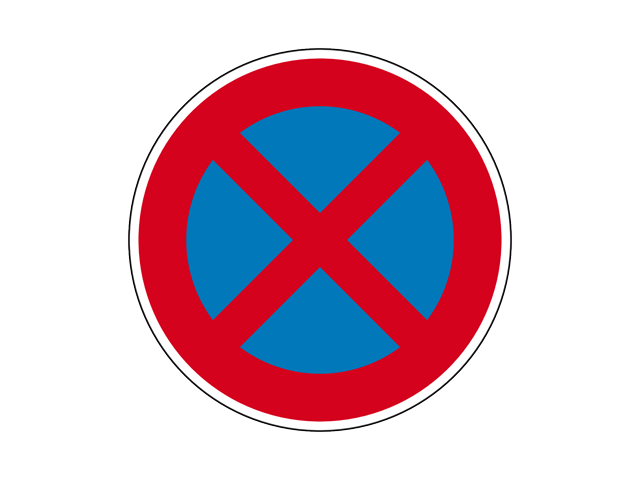
Explanation
The traffic sign indicates an absolute no-stopping zone in this area. You are not allowed to stop there.
-
Question 17 of 69
What is the right thing in this situation?
1.4.41-0263 Points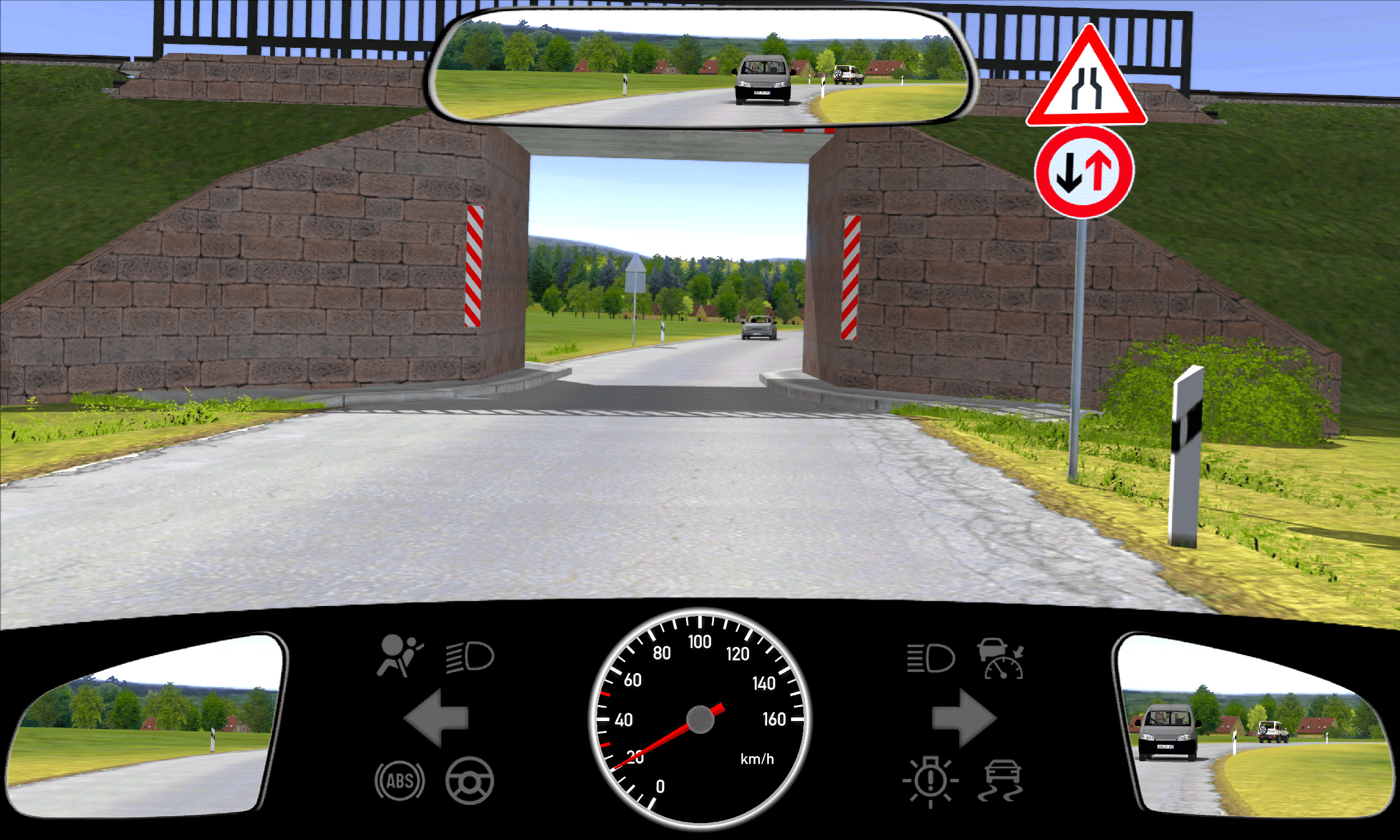
Explanation
The sign indicates that you must give priority to oncoming traffic at the bottleneck. The vehicle coming towards you is already close to the bottleneck, so you must wait and may only drive after the car coming towards you.
-
Question 18 of 69
When may you stop here?
1.4.41-0272 Points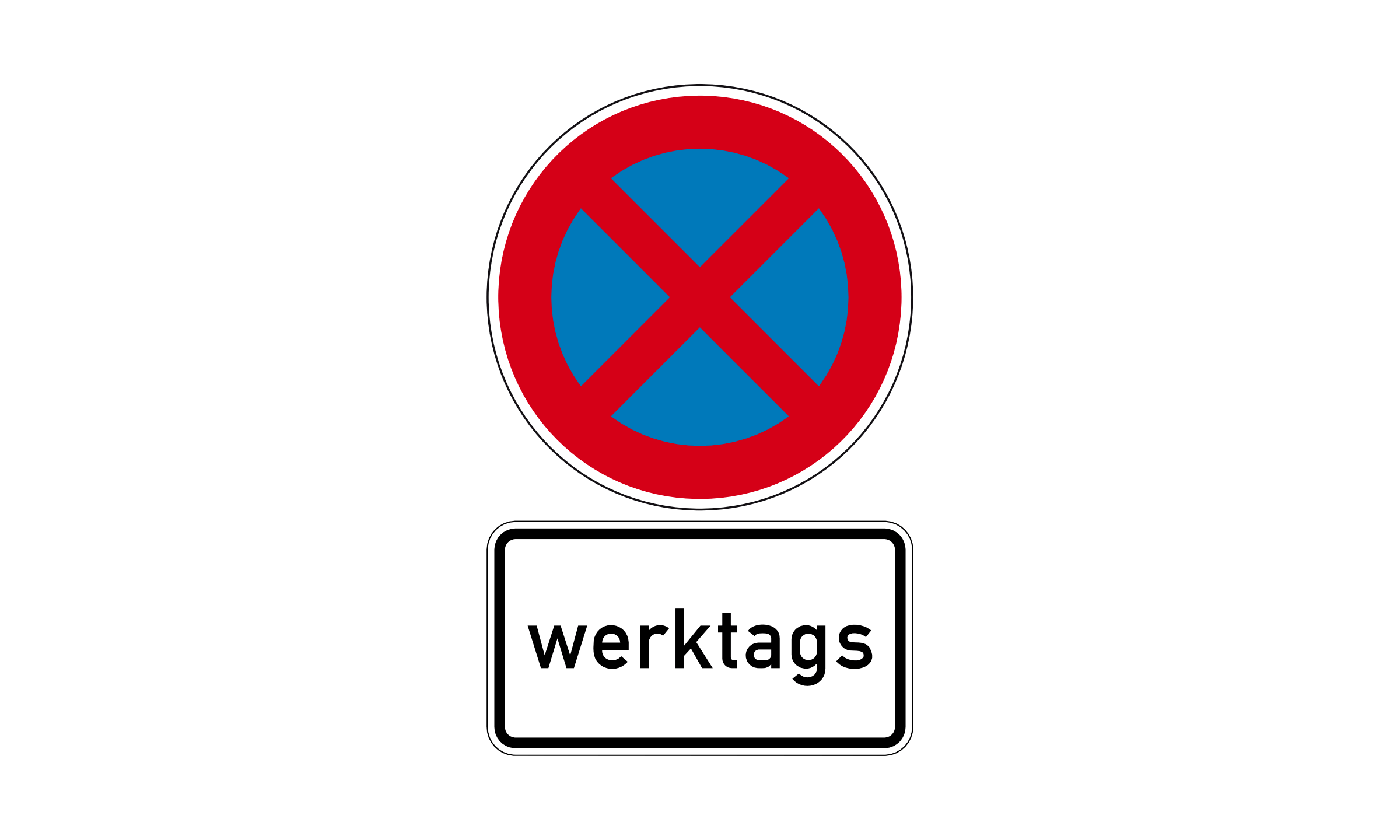
Explanation
The absolute stopping ban only applies on working days. You are allowed to stop here on Sundays and public holidays.
-
Question 19 of 69
What applies at this junction?
1.4.41-0284 Points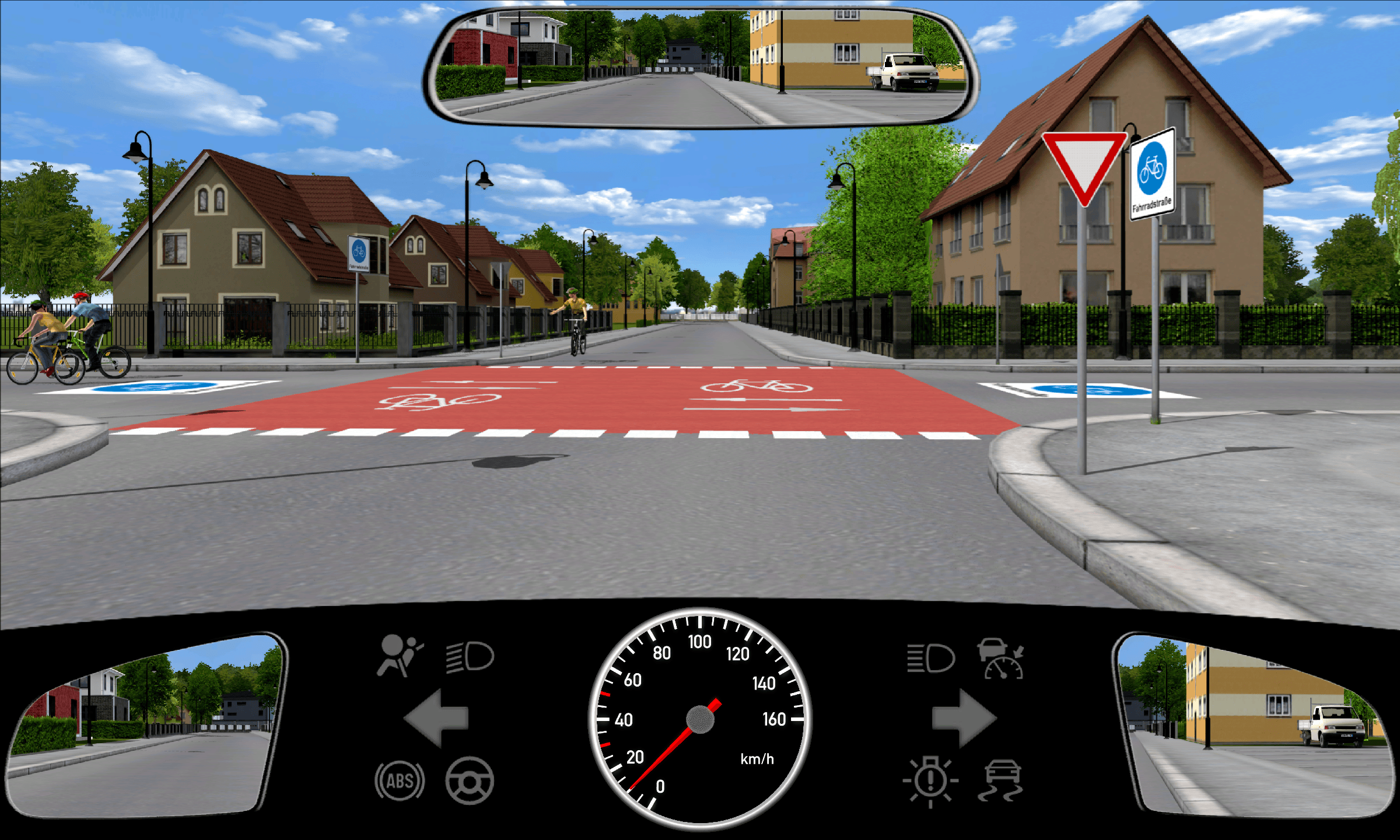
Explanation
The blue traffic signs, with the white bicycle in the middle, indicate a bicycle street. This road may only be used by bicycles, unless otherwise expressly indicated by other traffic signs. In addition, the triangular traffic sign “Give way” indicates that cross traffic must be given priority. You do not necessarily have to stop at the traffic sign “Give way” and you can cross the intersection carefully as there is no traffic visible from the right or left.
-
Question 20 of 69
What does this road sign indicate?
1.4.41-0293 Points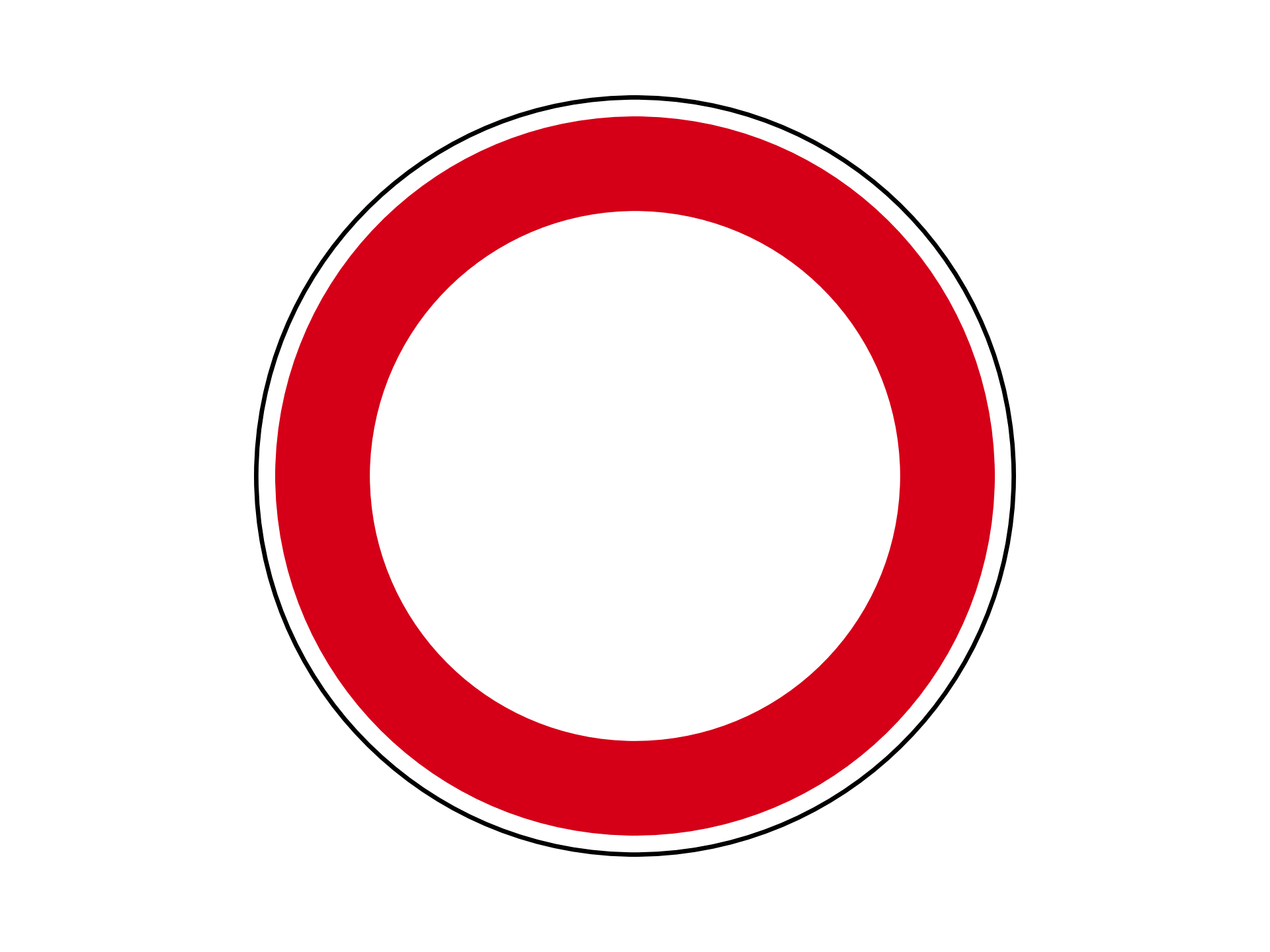
Explanation
Basically, the traffic sign “Prohibited all types of vehicles” means that vehicles are not allowed to drive on the road. However, motorcycles or bicycles may be pushed.
-
Question 21 of 69
You are driving on a one-way street with signposting. What is correct?
1.4.41-0303 Points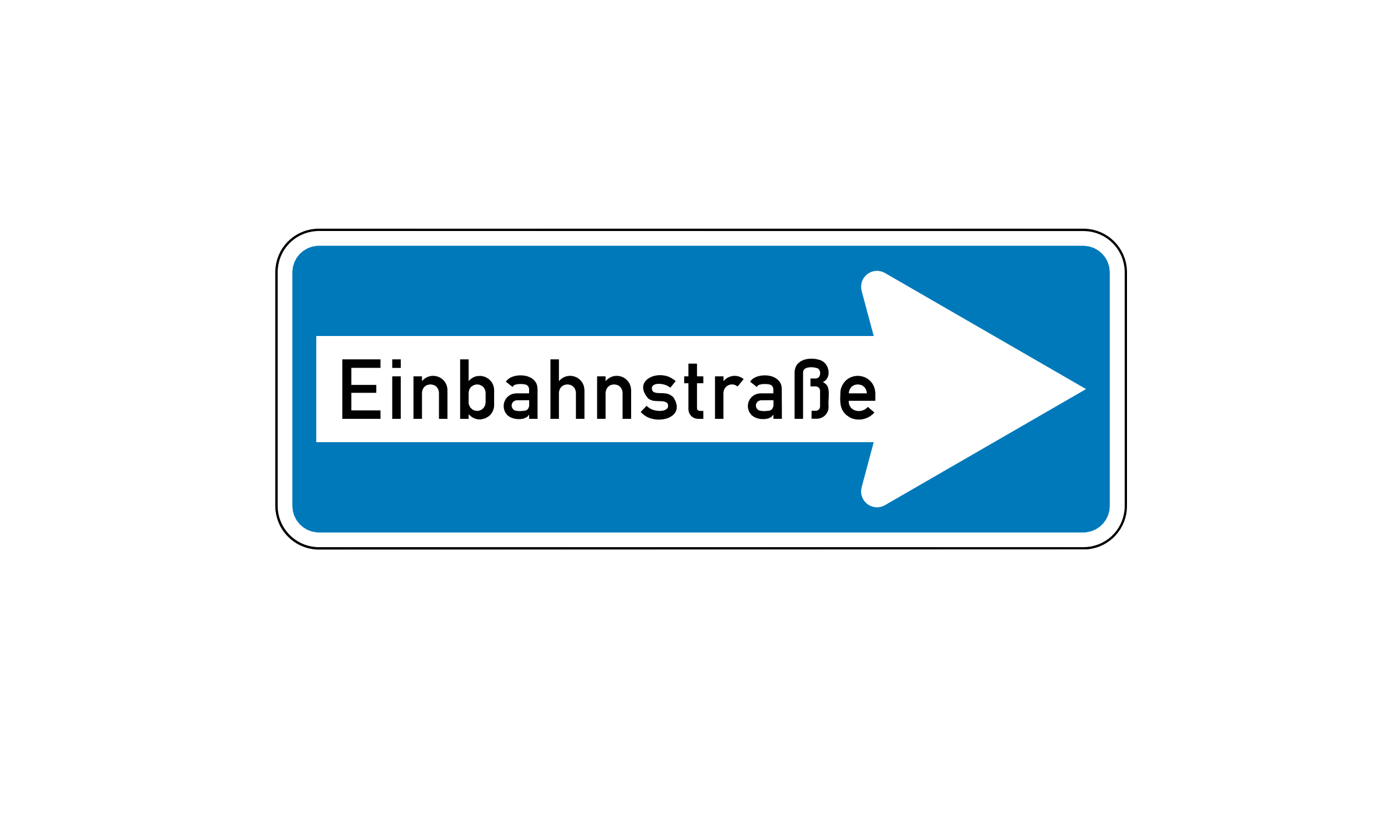
Explanation
The direction of travel on a one-way street is always indicated by the white arrow on the traffic sign. If you are on your one-way street, you are allowed to park on the right or left side of the road in the direction of travel. In order not to obstruct the traffic behind you when turning left, you must move as far to the left as possible. This leaves enough space for vehicles that want to go straight or turn right.
-
Question 22 of 69
You are travelling on a main road. Which road sign ends your right of way?
1.4.41-0313 PointsExplanation
The traffic sign “End of priority road” signals to you that the right of way regulation has been lifted and the priority road ends here. If you have previously been driving on a priority road, the traffic sign “Give way” tells you that this priority road now ends. You now have to give way to other road users.
-
Question 23 of 69
Which of the following rules of the road requires you to stop before turning right?
1.4.41-0324 PointsExplanation
The “stop sign” shows you that you must always stop at the stop line or line of sight. The “green arrow” next to the red traffic light signals that you can turn right despite the red traffic light. But only after you have stopped at the stop or line of sight and made sure that you are not endangering anyone.
-
Question 24 of 69
Which road sign forbids you from entering the signposted area?
1.4.41-0333 PointsExplanation
You are not allowed to enter a street with this traffic sign because it indicates a pedestrian zone. This may only be used by pedestrians. The traffic sign means “Entry prohibited”. Driving into the signposted area is therefore prohibited.
-
Question 25 of 69
In which directions are you allowed to continue?
1.4.41-1062 Points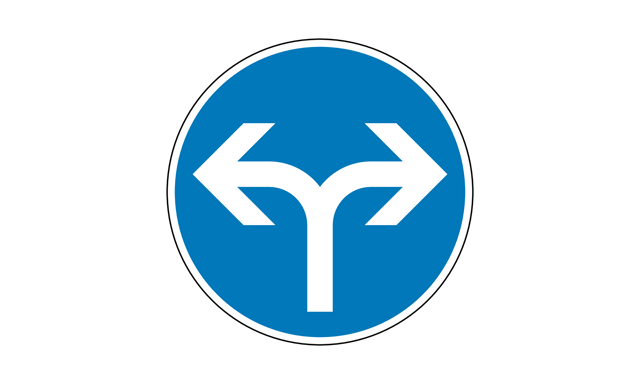
Explanation
The traffic sign "You" only allows turning to the right or left" only allows you to turn left or right. The desired direction of travel needs to be indicated. You are not allowed to drive straight ahead.
-
Question 26 of 69
A school bus is stopping on the roadway approximately 80 m in front of you. Can this be dangerous?
1.4.41-1095 Points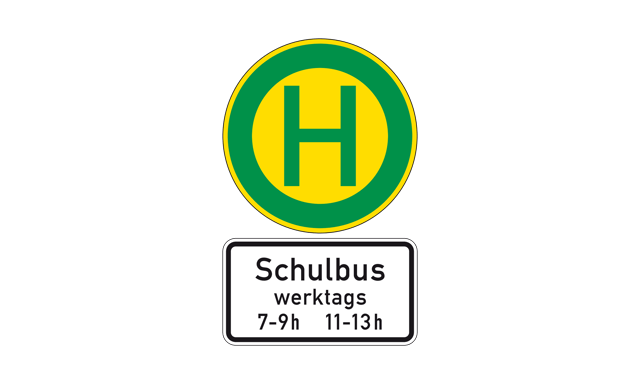
Explanation
If a school bus stops in front of you on the road about 80 m away, you have to expect the following: Children could suddenly run on/off the road to reach the bus, for example, by the shortest route. This danger exists even if school crossing guards secure the traffic. You have to be ready to brake and you are only allowed to drive past the school bus at walking speed.
-
Question 27 of 69
Who is allowed to drive a motor vehicle on this road?
1.4.41-1143 Points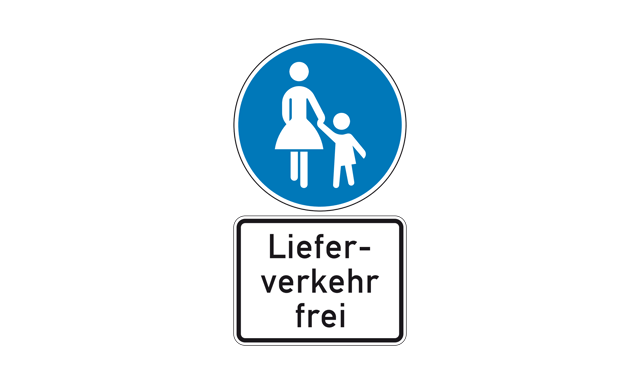
Explanation
The street is a declared sidewalk, with the additional sign "delivery vehicles only". Therefore, this road may only be used by a distributor with a motor vehicle. The distributor must be able to prove that he has to deliver something in this street. He has to drive at walking speed, regardless of whether or not pedestrians pass the street. He has to take care of pedestrians.
-
Question 28 of 69
Which vehicles are allowed to use the special lane marked like this?
1.4.41-1152 Points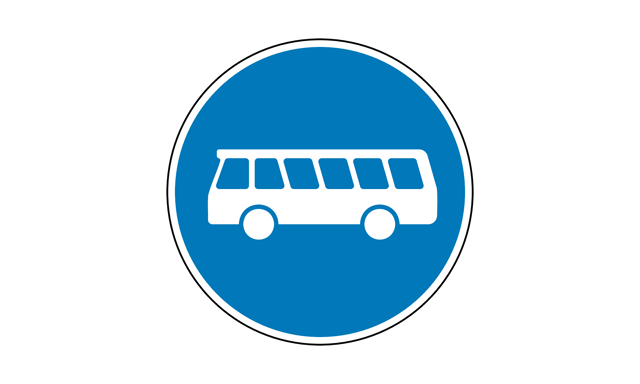
Explanation
The lane shown here is intended for public buses. Only they are allowed to use this lane. For all other drivers the use of this lane is prohibited.
-
Question 29 of 69
Who is allowed to enter a street sign-posted like this?
1.4.41-1162 Points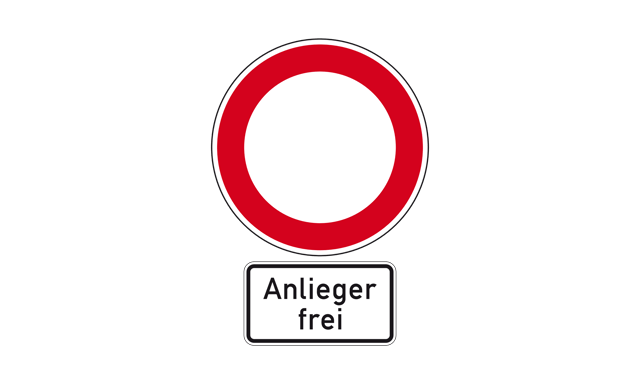
Explanation
The additional sign indicates that drivers who have to go on errands in this street privately, or for business reasons may enter. Residents and visitors are customers of shops, patients of medical practices as well as people who live in this street and their visitors. Through traffic is prohibited in this street.
-
Question 30 of 69
Which vehicles are not allowed to use a road sign-posted like this?
1.4.41-1182 Points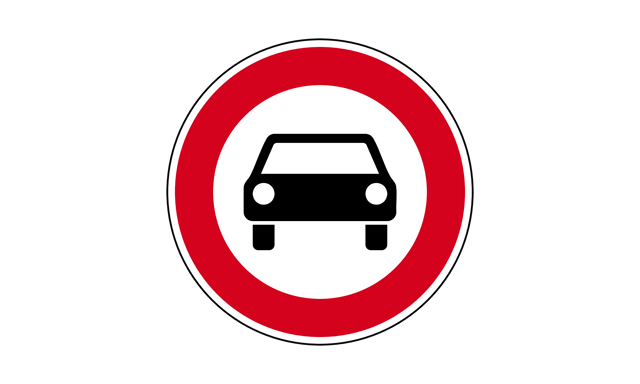
Explanation
Cars, but also other multi-lane motor vehicles, may not drive on a road with this sign. These include cars, trucks and buses. The ban does not apply to motorcycles, including side cars, and non-motorized vehicles.
-
Question 31 of 69
Which vehicles are not allowed to use a road sign-posted like this?
1.4.41-1192 Points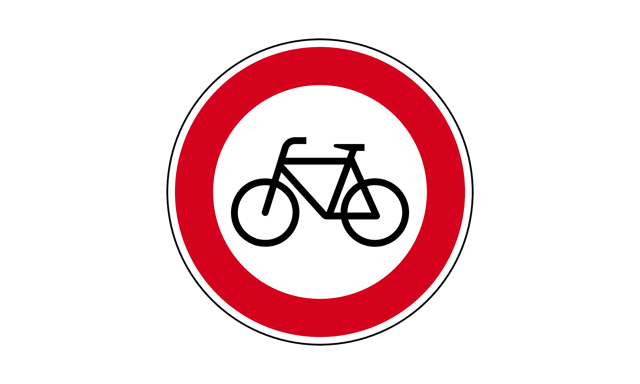
Explanation
This round road sign with the red border prohibits the passage for cyclists. It usually can be found on roads where you are allowed to drive fast and where a cyclist can get into dangerous situations due to his or her low speed. Motorized vehicles such as motorcycles and cars may continue here.
-
Question 32 of 69
Which vehicles are not allowed to use a road sign-posted like this?
1.4.41-1202 Points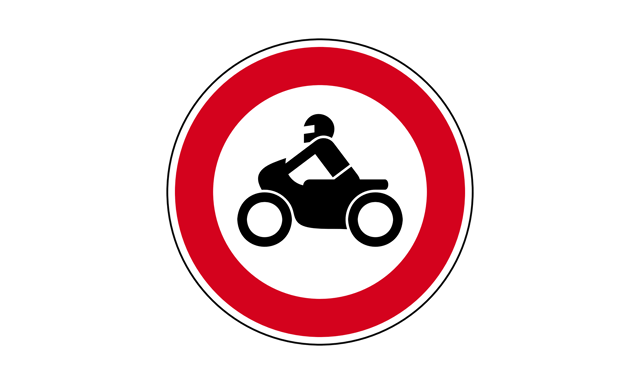
Explanation
A round traffic sign with a red border indicates a general traffic ban for vehicles. If the circle contains a symbol, the types of vehicles to which the traffic ban applies are specified more precisely. Here the road may not be used by motorcyclists.
-
Question 33 of 69
What do these traffic signs indicate?
1.4.41-1212 Points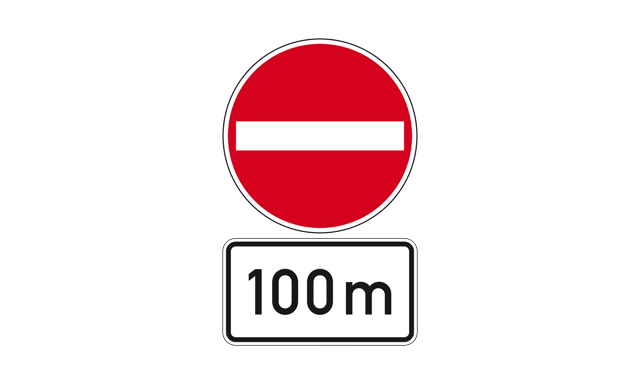
Explanation
The traffic sign "Do not enter" forbids car drivers to enter this road with vehicles of all kinds. The additional sign makes it clear that this prohibition applies only in 100 meters. It does not explicitly state for how long. Always expect that vehicles can come out of this road.
-
Question 34 of 69
What does this traffic sign indicate?
1.4.41-1243 Points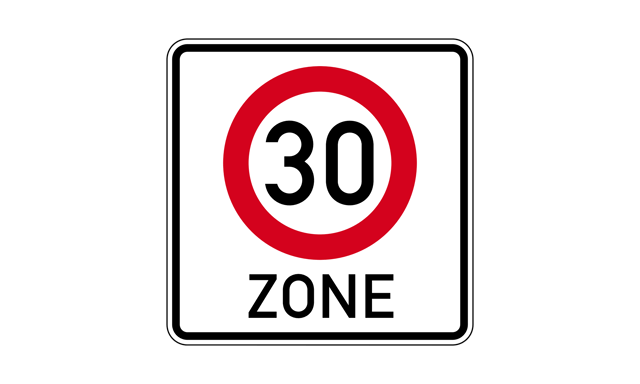
Explanation
The traffic sign indicates the beginning of a zone with a maximum speed of 30 km/h. It is often set up in residential areas and only once at the beginning. You are not allowed to drive faster than 30 km / h in the entire area. This speed limit is canceled with the "End of the 30 km/h zone" sign.
-
Question 35 of 69
A traffic calmed commercial zone (verkehrsberuhigter Bereich) starts here. What must you do?
1.4.41-1252 Points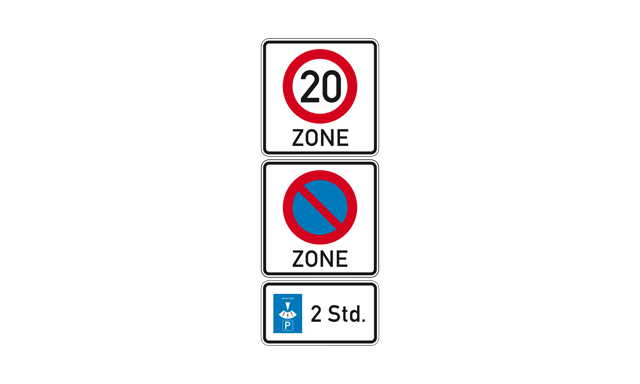
Explanation
In a traffic calming zone with shops, road users are often distracted by the displays in the shop windows. You must therefore pay attention to rain and inattentive foot traffic. Your maximum speed is 20 km/h. This is a no parking, but waiting allowed zone and you're obliged to use your parking disc. To offer parking to many customers, the maximum parking time is two hours.
-
Question 36 of 69
What does this traffic sign indicate?
1.4.41-1262 Points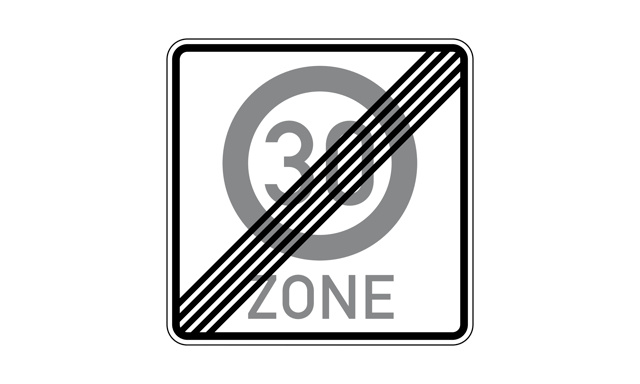
Explanation
This traffic sign indicates the end of an area in which the permitted speed was set to 30 km/h and thus cancels the maximum speed of 30 km/h.
-
Question 37 of 69
Which vehicles are you allowed to overtake where you see this traffic sign?
1.4.41-1293 Points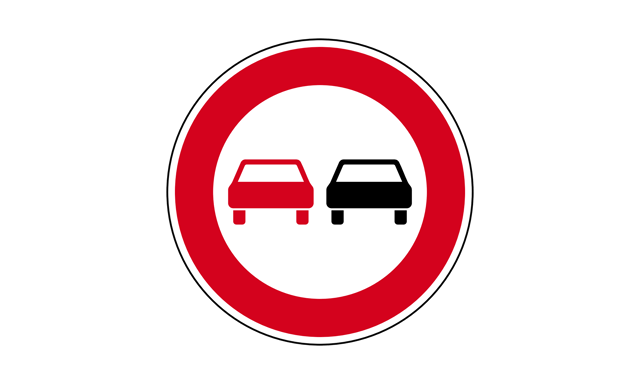
Explanation
The restriction on overtaking prohibits a car driver from overtaking multi-lane vehicles such as cars, trucks or tractors and motorcycles with side cars. Motorcycles without a side car and bicycles are allowed to be overtaken, as these are single-lane vehicles.
-
Question 38 of 69
What do these traffic signs indicate?
1.4.41-1303 Points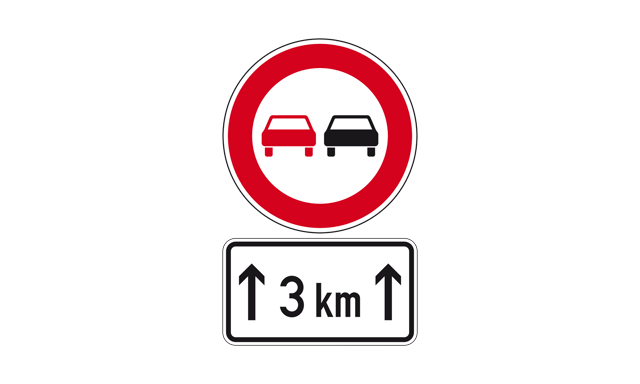
Explanation
This traffic sign signals a restriction on overtaking on multi-lane motor vehicles or motorcycles with side car. The black arrows with the km indication indicate that the restriction on overtaking applies for 3 km. The restriction on overtaking comes into force starting from the traffic sign.
-
Question 39 of 69
What do these traffic signs indicate?
1.4.41-1313 Points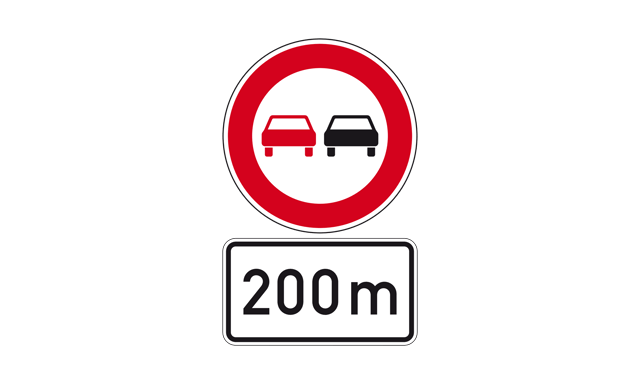
Explanation
With this traffic sign the car driver is prohibited to overtake multi-lane vehicles and motorcycles with side car. The additional sign prohibits overtaking in 200 meters. Since it contains no black arrows, it does not mean that you are not allowed to overtake in the next 200 meters.
-
Question 40 of 69
Which prohibitions cease to apply when you see this sign?
1.4.41-1332 Points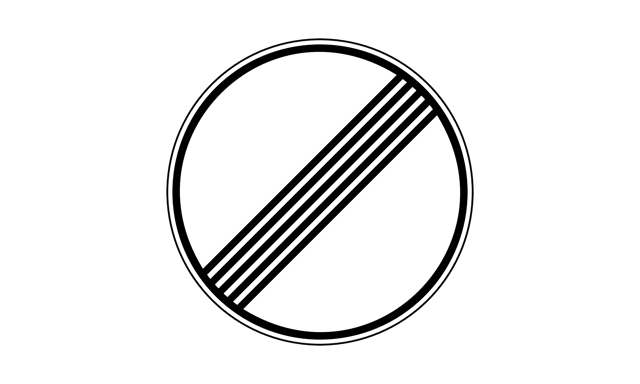
Explanation
This traffic sign cancels all road restrictions. For example, road restrictions include restrictions on overtaking and speed limits. Stopping restrictions such as a parking ban are not covered by road restrictions.
-
Question 41 of 69
What do these traffic signs indicate?
1.4.41-1343 Points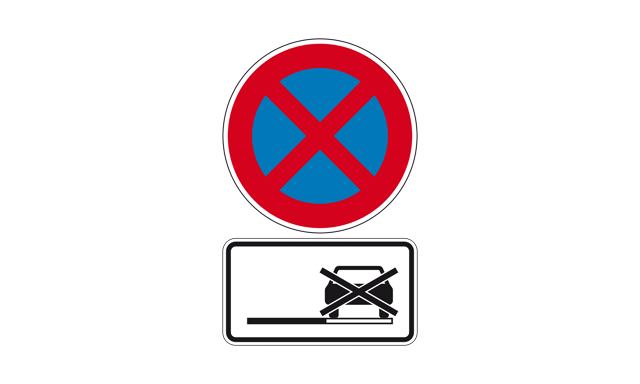
Explanation
The traffic sign signals the car driver that it is forbidden to come to a stop on the road. The additional sign extends the stopping restriction and also prohibits stopping on the side strip for all vehicles, not just for trucks.
-
Question 42 of 69
What is allowed in the zone which starts here?
1.4.41-1352 Points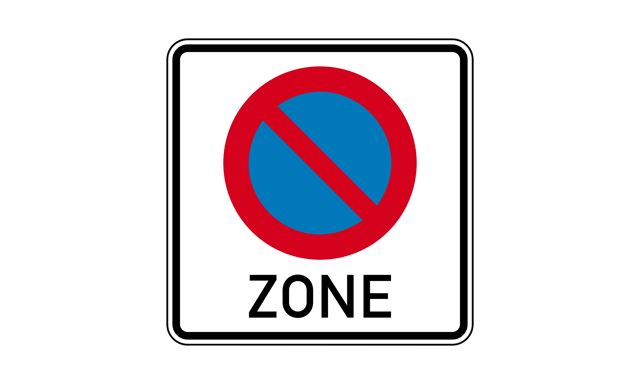
Explanation
With the traffic sign "No parking. Waiting is allowed.", there is a restricted stopping ban in an entire area without stopping signs being placed here in certain streets. As a car driver, you are allowed to wait up to three minutes throughout the entire zone. Situations of loading and unloading or getting in and out of the car may also take longer.
-
Question 43 of 69
What ends here?
1.4.41-1362 Points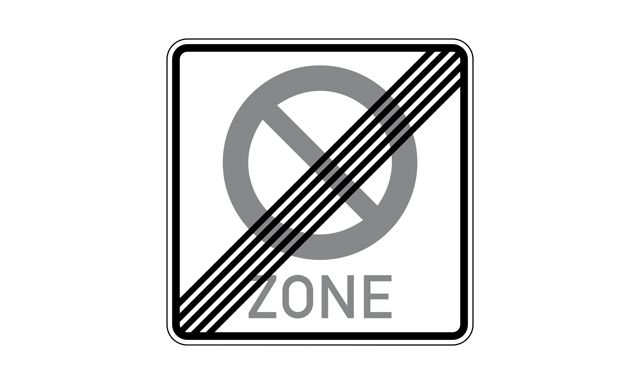
Explanation
Here the no parking zone ends. Note that this traffic sign is often only on placed on the left side of the road and does not suspend the stopping restriction.
-
Question 44 of 69
When must you indicate?
1.4.41-1403 Points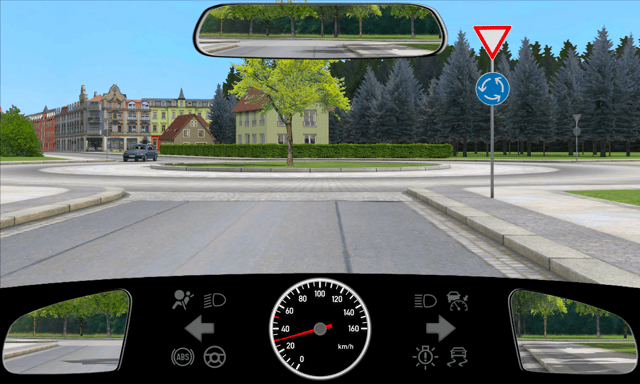
Explanation
If you enter the roundabout, you do not need to indicate this because the entrance to the circle is always to the right. On the other hand, if you leave the roundabout, you will need to indicate this to make it easier for other drivers to enter the circle.
-
Question 45 of 69
You are approaching this combination of traffic signs. What must you remember?
1.4.41-1414 Points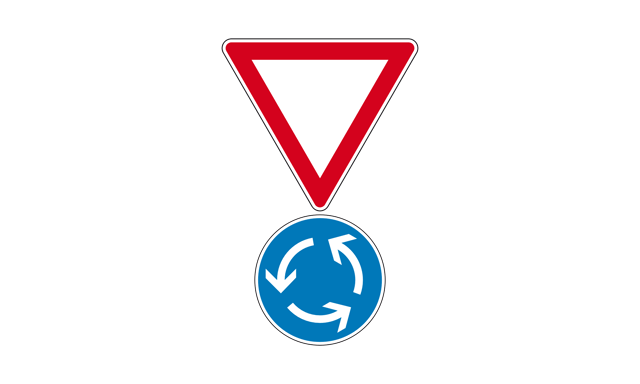
Explanation
Vehicles driving in the roundabout have right of way. Indicating when entering the roundabout is not necessary, as a roundabout is always entered from the right. Therefore, the answer "Entering the roundabout must be indicated" is wrong. You only indicate when you leave a roundabout. This makes sense because this makes it easier for vehicles to enter the roundabout.
-
Question 46 of 69
What does this traffic sign indicate?
1.4.41-1452 Points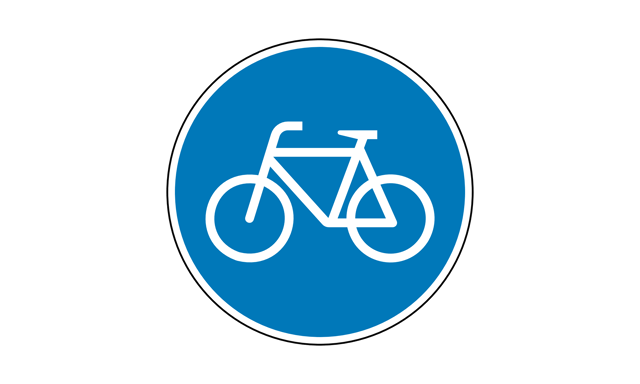
Explanation
This traffic sign identifies a cycle path that cyclists must use but is prohibited for other road users. Cyclists crossing the road have their own warning sign.
-
Question 47 of 69
What does this traffic sign combination indicate?
1.4.41-1463 Points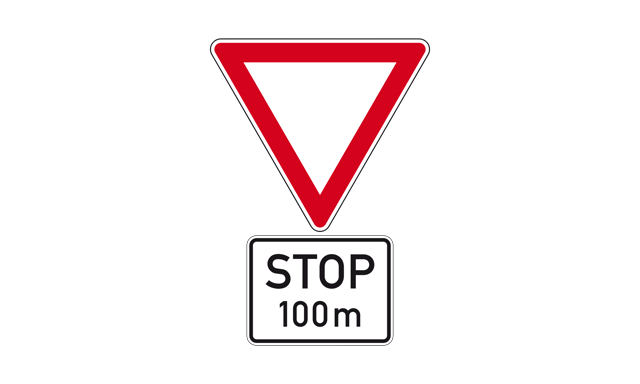
Explanation
The traffic sign announces that after a hundred meters you will find a priority road where you will find the traffic sign "Give way". In any case, you must stop there at the stop line or line of sight.
-
Question 48 of 69
What does this traffic sign indicate?
1.4.41-1472 Points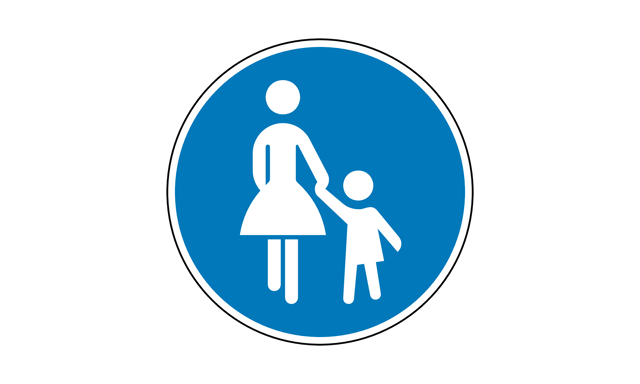
Explanation
The traffic sign "Footway" marks paths which may be used exclusively by pedestrians and cyclists up to 10 years. Car drivers, cyclists and other road users may not be traveling on these routes. However, exceptions may be regulated by additional signs.
-
Question 49 of 69
How must you act when driving a vehicle during permitted delivery times?
1.4.41-1493 Points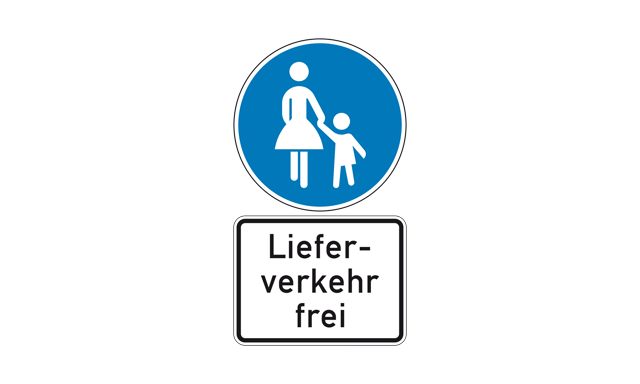
Explanation
Since the traffic sign "Footway" is combined here with the additional sign "Delivery vehicles only", a distributor may drive on a road that is marked this way. You have to drive at walking speed, regardless of whether pedestrians are visible or not. Pedestrians have priority, you should be especially considerate of them.
-
Question 50 of 69
What does this traffic sign indicate?
1.4.41-1522 Points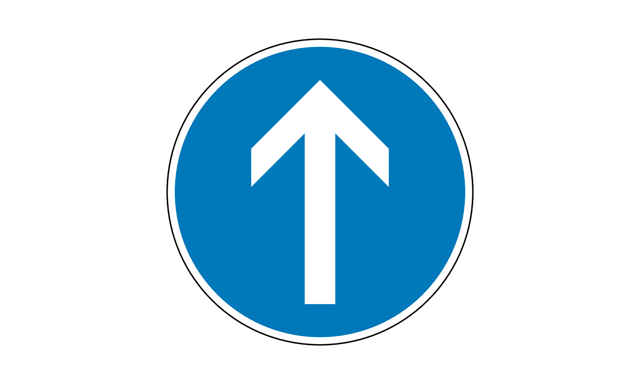
Explanation
This traffic sign means "You must go straight ahead". You can only drive straight ahead and are not allowed to turn. The one-way street sign has the same colors but is rectangular.
-
Question 51 of 69
What do you do upon seeing this traffic sign?
1.4.41-1534 Points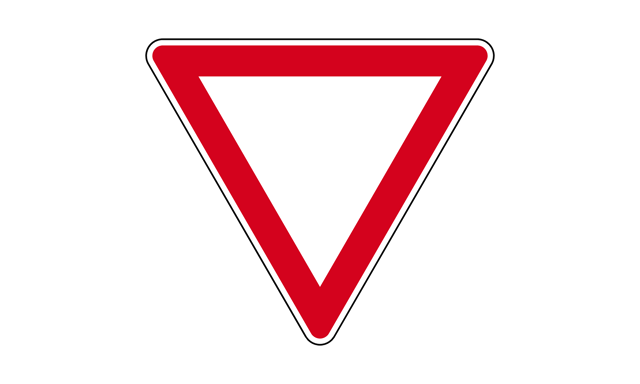
Explanation
The traffic signal "Give way" signals that you are driving on a subordinate road and the cross traffic has priority. Drive slowly and stay ready to brake so that you do not miss a vehicle that is entitled to drive.
-
Question 52 of 69
What does this traffic sign indicate?
1.4.41-1542 Points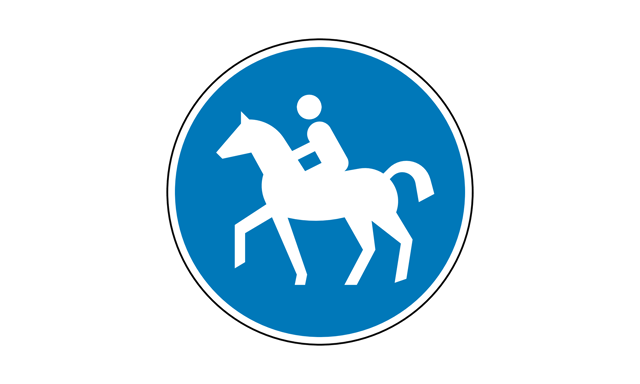
Explanation
This traffic sign shows you a riding path. Here riders move with their horses. Other road users are not allowed to use this path.
-
Question 53 of 69
What do you have to do in this traffic situation?
1.4.41-1564 Points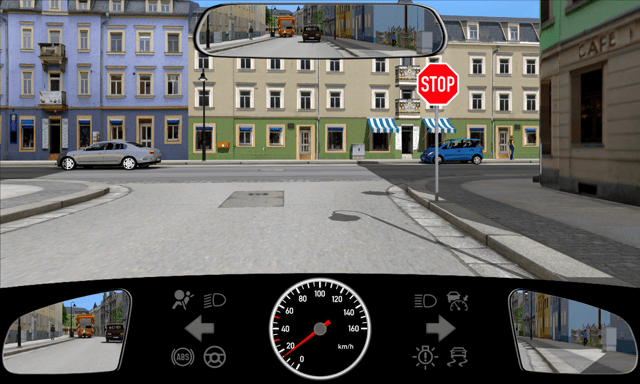
Explanation
At the traffic sign "Stop! Yield to cross traffic" you have to stop and give way. You always have to stop, even if there is no cross traffic. Since there is no stop line, stop at the line of sight. From the line of sight, you can see the street you want to enter.
-
Question 54 of 69
What do you have to be aware of with this traffic sign?
1.4.41-1592 Points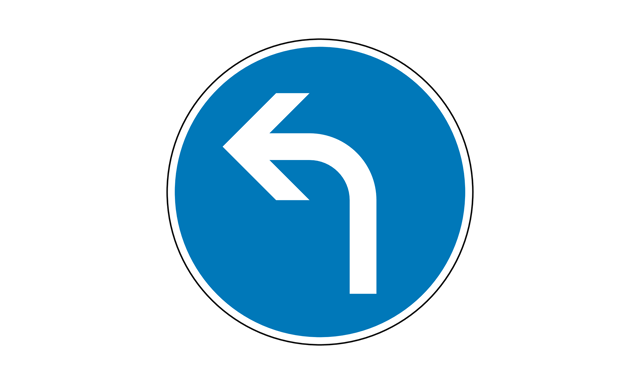
Explanation
This traffic sign regulates the direction of travel. You may only turn left here. The change of the direction of travel must be indicated.
-
Question 55 of 69
What applies with this traffic sign?
1.4.41-1602 Points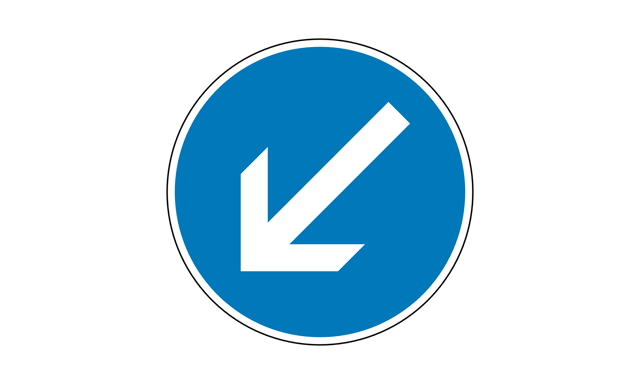
Explanation
This traffic sign prescribes from which side you have to circuit the obstacle. You can find the regulation sign at central, stop islands or construction sites. If you meet the sign at an intersection or T-junction, you may turn in the appropriate direction.
-
Question 56 of 69
What applies in the area 15 m in front of and behind this traffic sign?
1.4.41-1612 Points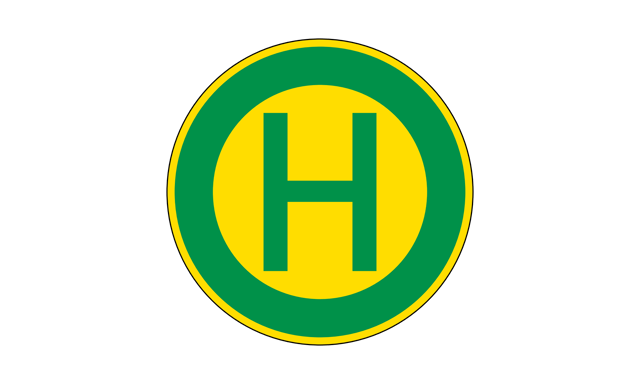
Explanation
At the traffic sign you can see that there is a tram or bus stop here. 15 meters before and after the traffic sign, drivers are not allowed to park their vehicles. Unless public transport is impeded or passengers are endangered, waiting is allowed for up to three minutes.
-
Question 57 of 69
What applies with this traffic sign?
1.4.41-1622 Points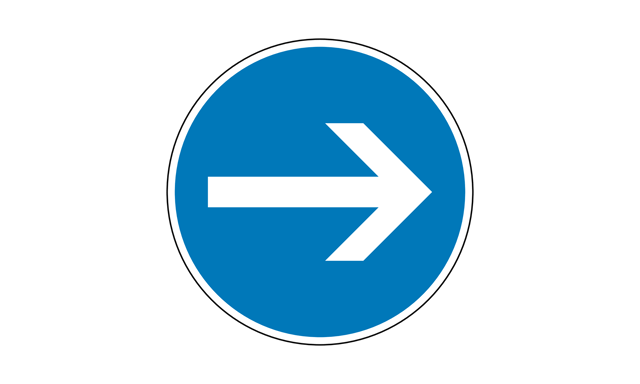
Explanation
The given direction of travel is binding. The car driver must turn right before the traffic sign and indicate this process to other road users.
-
Question 58 of 69
What applies with this traffic sign?
1.4.41-1632 Points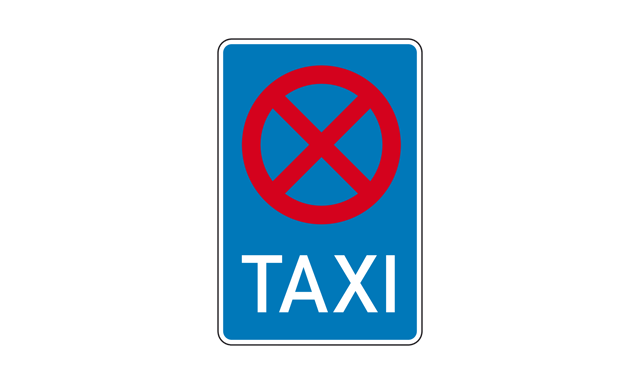
Explanation
The traffic sign indicates a taxi stand. There is basically a stopping restriction for all other vehicles. The car driver must always expect departing and arriving taxis and passengers in this area.
-
Question 59 of 69
What does this traffic sign combination indicate?
1.4.41-1642 Points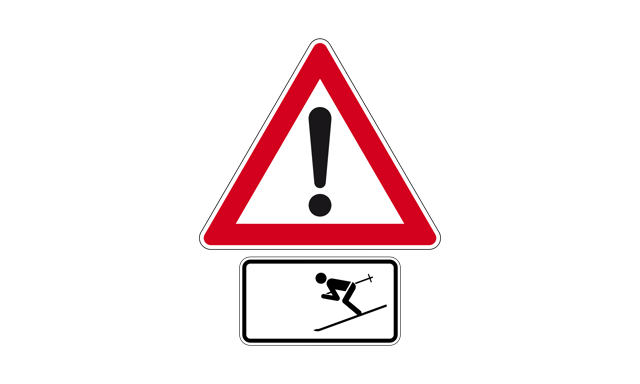
Explanation
This sign means "Danger zone" and the additional sign stands for "Winter sports allowed". The combination indicates that winter sportspersons may use the road and road users must pay particular attention to it.
-
Question 60 of 69
What do you have to be aware of in this traffic situation?
1.4.41-1654 Points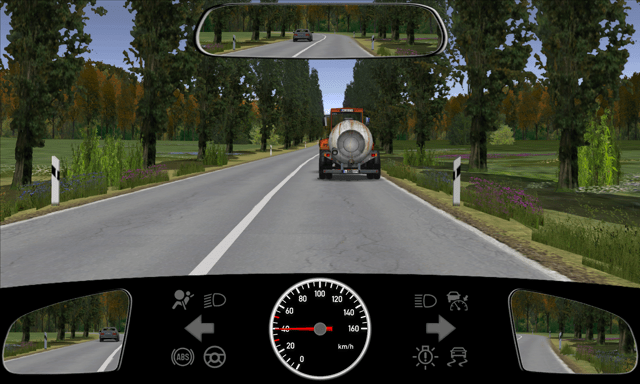
Explanation
You must not drive over the lane boundary (solid line) to the left, which is located at the middle of the lane. Driving on it is also prohibited.
-
Question 61 of 69
You want to overtake. What is the right thing to do?
1.4.41-1673 Points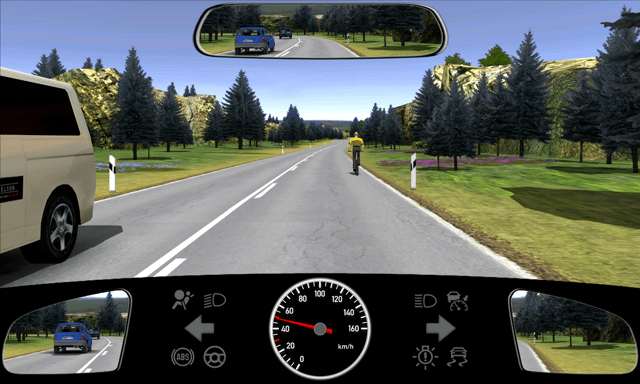
Explanation
You may overtake if other road users are not endangered. The one-sided lane boundary allows you to cross the two lines from the side where the broken line is located.
-
Question 62 of 69
As a resident, you want to drive into a cycle highway that has this sign. What must you be aware of when doing so?
1.4.41-1682 Points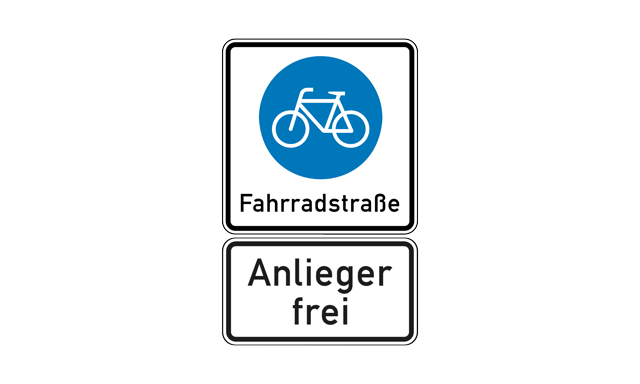
Explanation
A maximum speed of 30 km/h applies to traffic. Cycling traffic must not be endangered or obstructed. If necessary, motor vehicle traffic must reduce speed further. Side-by-side cycling is permitted.
-
Question 63 of 69
Who may enter a street that has this sign?
1.4.41-1692 Points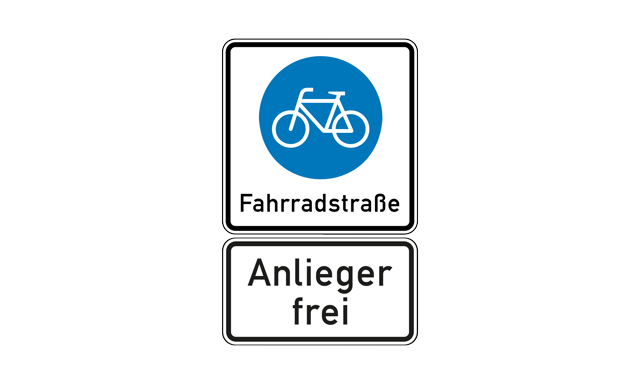
Explanation
Vehicular traffic other than cyclists may not use cycle lanes unless permitted by additional sign. The additional sign allows residents to enter the bicycle lane.
-
Question 64 of 69
This road traffic sign is displayed for your lane. What must you be aware of?
1.4.41-1703 Points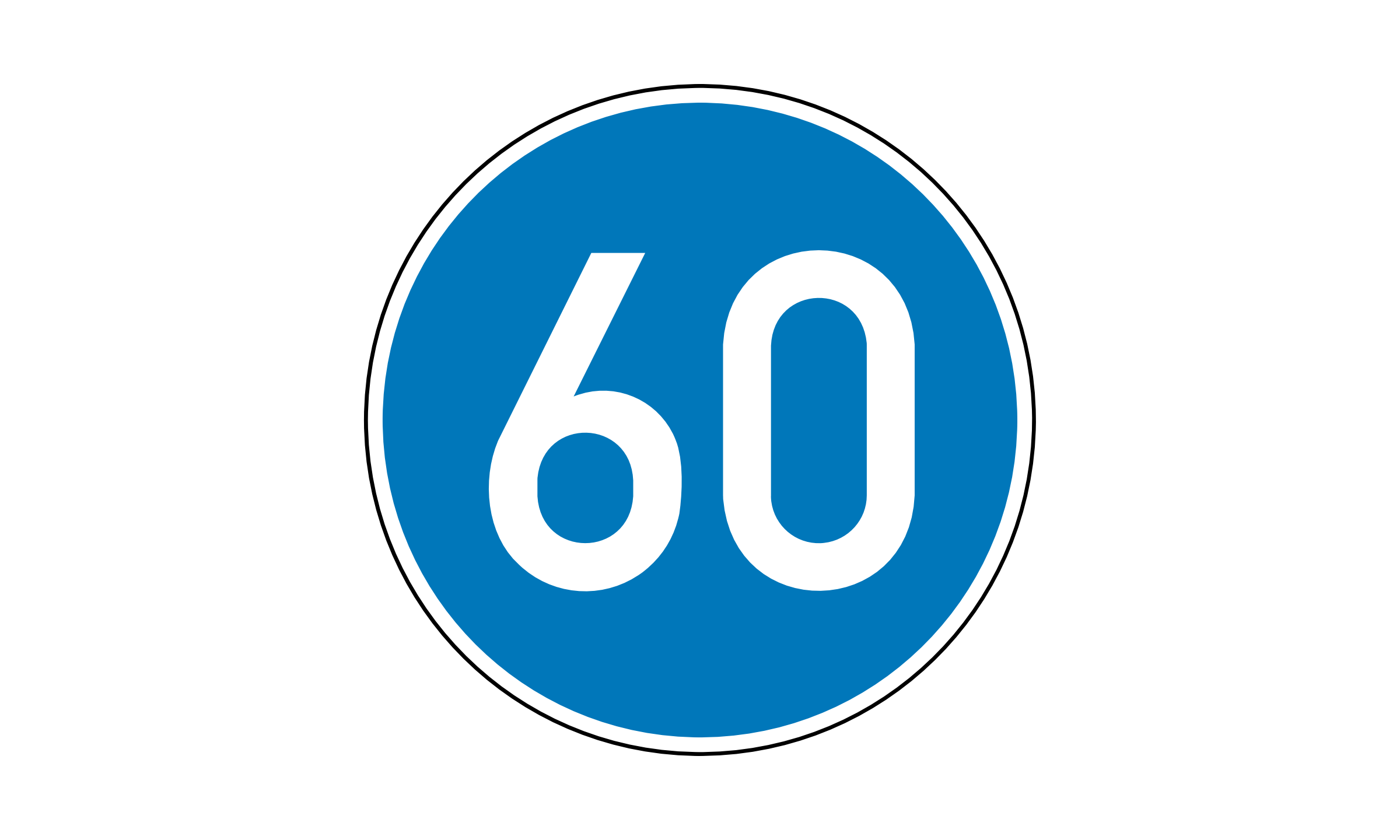
Explanation
This traffic sign indicates the prescribed minimum speed. You must therefore drive at least 60 km/h, provided that the road and traffic conditions allow it.
-
Question 65 of 69
What is the maximum speed a vehicle may drive in a zone with this sign?
1.4.41-1712 PointsExplanation
Cyclists, light electric vehicles and other authorized vehicles may not drive more than 30 km/h in bicycle zones.
-
Question 66 of 69
What situation applies according to this traffic sign?
1.4.41-1723 Points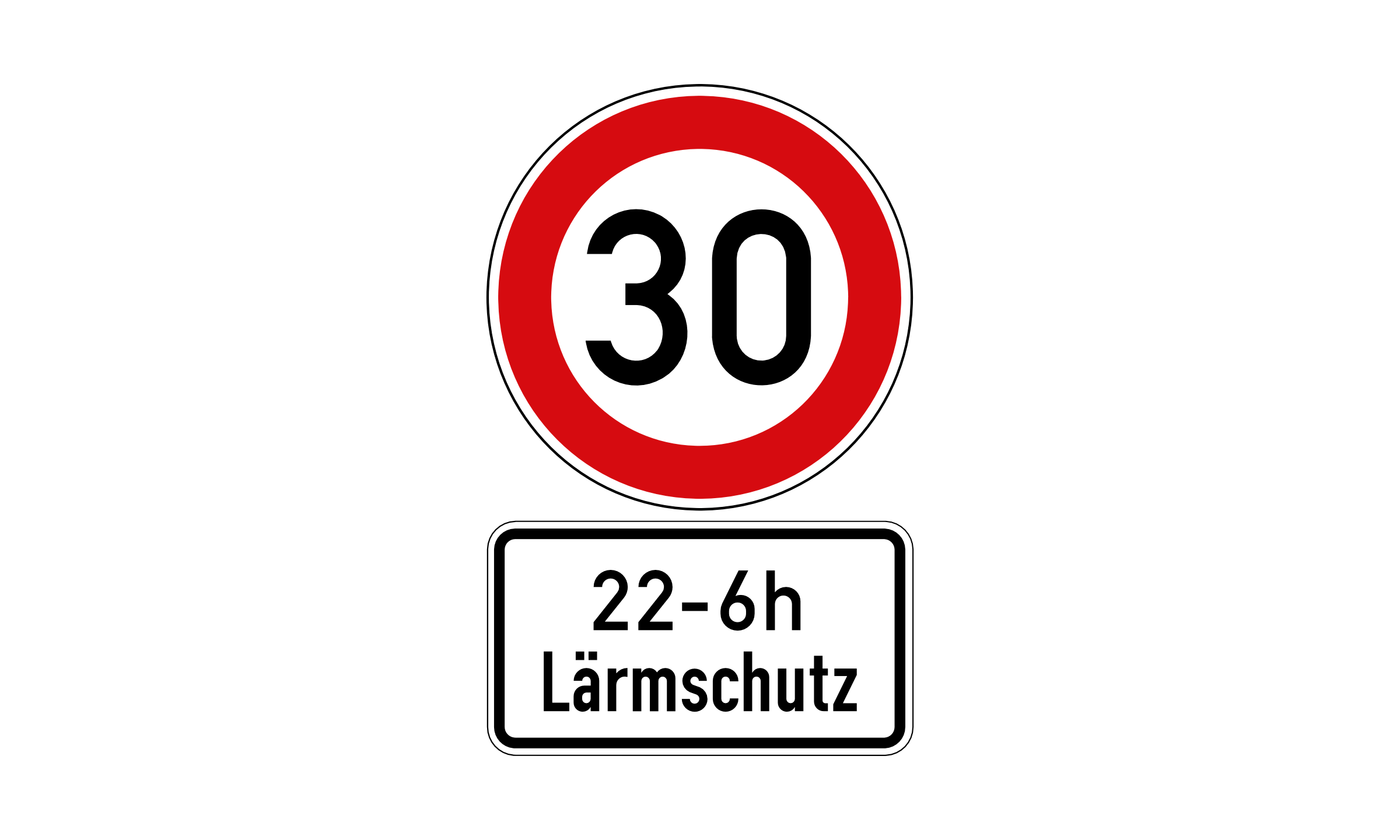
Explanation
The additional sign limits the speed limit between 10 pm and 6 am.
-
Question 67 of 69
What should you do when you see this road sign?
1.4.41-1732 Points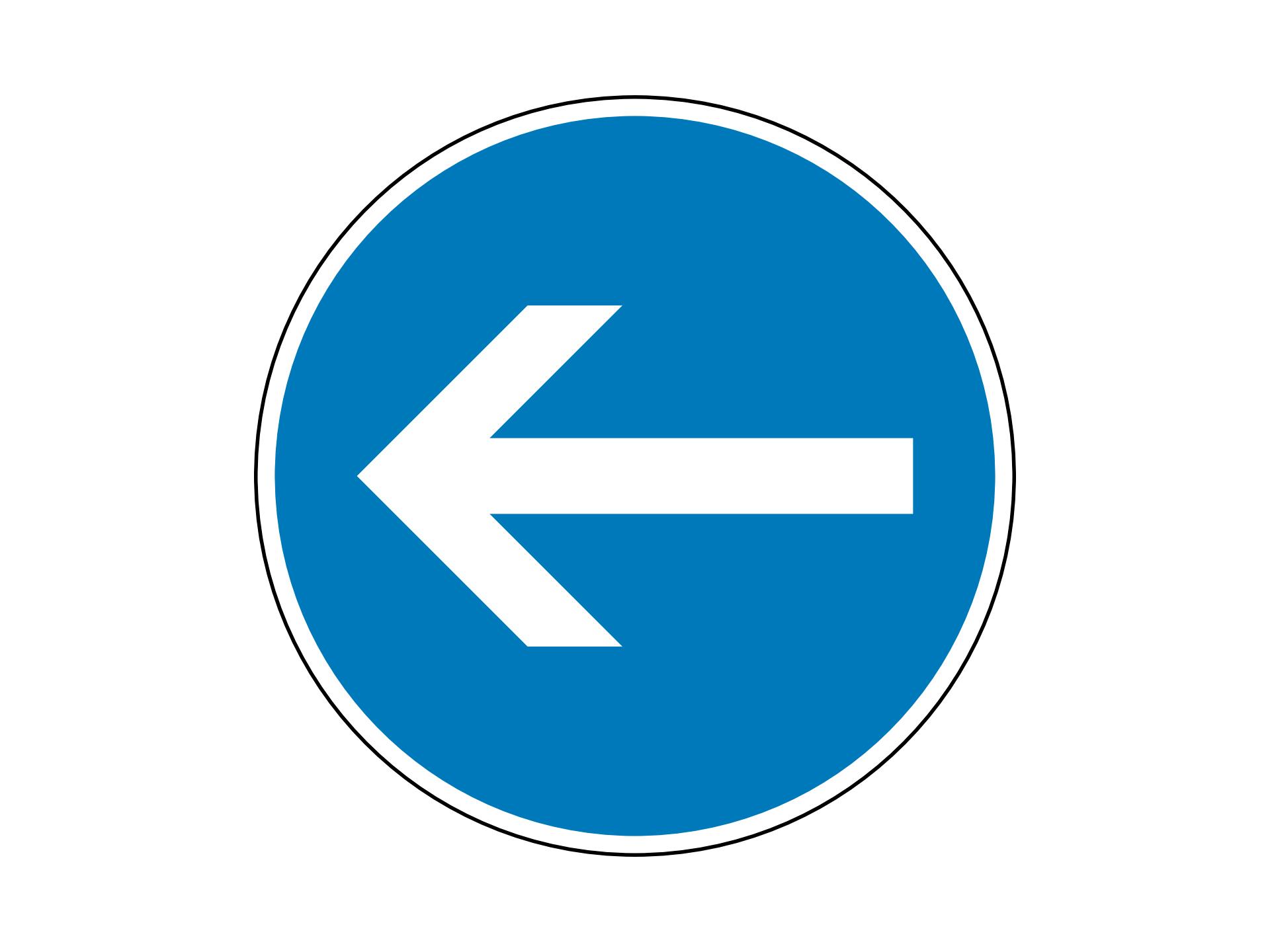
Explanation
The arrow on this traffic sign always shows the direction of travel. If it is a straight arrow, you have to turn in front of the sign. If it is a curved arrow, you must turn according to the sign. You have to flash to indicate the change in driving direction.
-
Question 68 of 69
Which road sign indicates that turning around is not allowed?
1.4.41-1743 PointsExplanation
All traffic signs show you that turning is prohibited. The traffic sign tells you that a tunnel begins here. Turning is strictly prohibited in the tunnel. The traffic sign “Turning Prohibited” shows you that turning is prohibited here. This traffic sign tells you that you are on a highway. U-turns are strictly prohibited on the highway.
-
Question 69 of 69
From which road sign onwards may you not exceed a permissible maximum speed of 60 km/h?
1.4.41-1753 PointsExplanation
Traffic signs with a red border generally indicate a ban. On a road with such a traffic sign you are not allowed to exceed the maximum permitted speed of 60 km/h.