
2.4.40 Señal de peligro
Las señales de peligro significan: reducir la velocidad temprano, aumentar la distancia y prepararse para peligros repentinos. Recuerde la regla del examen: vea el peligro → reduzca la velocidad → esté preparado para frenar.
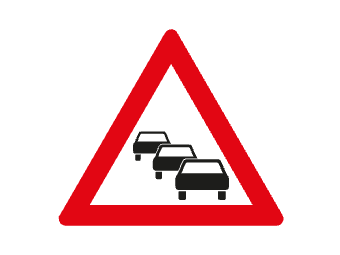
Congestión
Reduzca la velocidad, mantenga más distancia, mire hacia adelante y use las luces de emergencia al llegar al final de un atasco.
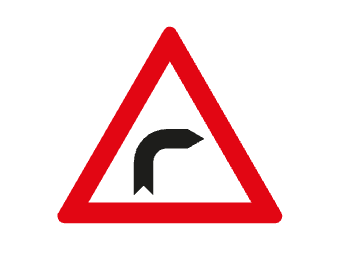
Curva peligrosa
Reduzca la velocidad antes de la curva, manténgase en el extremo derecho y espere vehículos averiados o que se aproximan en sentido contrario.
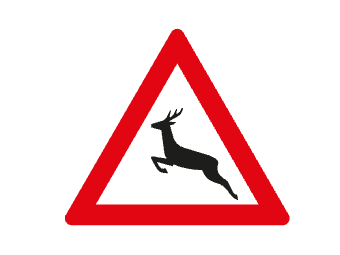
animales salvajes
Reduzca la velocidad, vigile el borde del camino, apague las luces si ve animales, frene con fuerza si es necesario, pero no se desvíe.
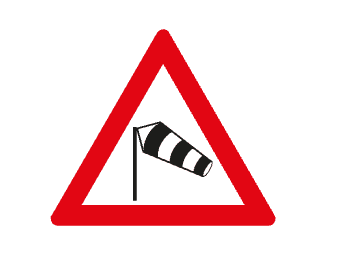
Vientos cruzados
Especialmente en puentes, reduzca la velocidad, sujete el volante con firmeza y contravire para permanecer en el carril.
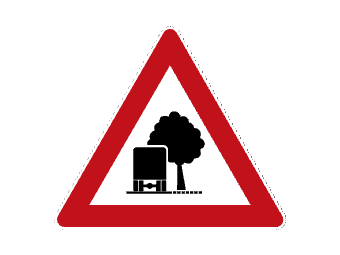
Árboles / Ramas
Es posible que haya ramas o árboles en la carretera y los vehículos altos pueden frenar o desviarse repentinamente. Tenga mucho cuidado.
Preguntas de práctica (4)
-
Pregunta 1 de 4
¿Cómo debe comportarse en una autopista a la vista de esta señal?
2.4.40-0024 puntos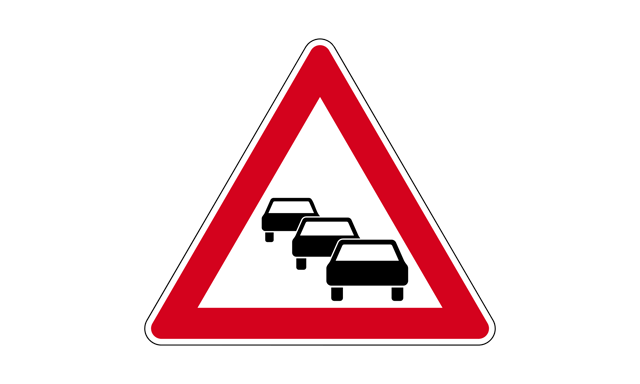
Explicación
Caution of congestion: With this traffic sign you should reduce the speed of your car and increase the distance to the vehicle in front. Get a better picture of the situation by watching the traffic in front of the next vehicle and, if necessary, drive a bit offset in the lane. Turn on your hazard lights when driving towards the end of a traffic jam.
-
Pregunta 2 de 4
¿Cómo se debe comportar ante esta señal?
2.4.40-0033 puntos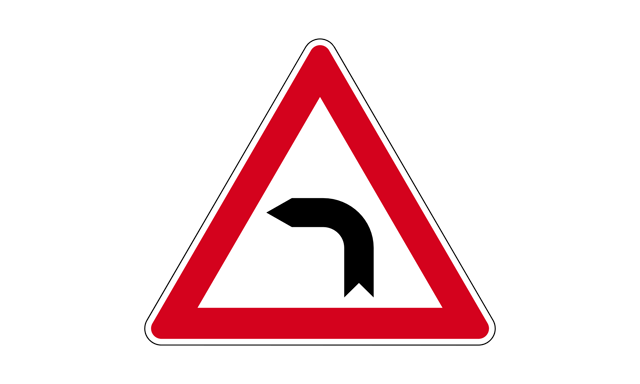
Explicación
The traffic sign announces a dangerous left turn. Decrease your speed to keep the centrifugal force small. Oncoming traffic could reach your lane due to its centrifugal force. Also, a vehicle could have broken down behind the curve. Drive as far as possible to the right. You follow the road, there's no turn. Therefore, you do not have to indicate.
-
Pregunta 3 de 4
¿Cómo debe comportarse en este tramo peligroso?
2.4.40-0043 puntos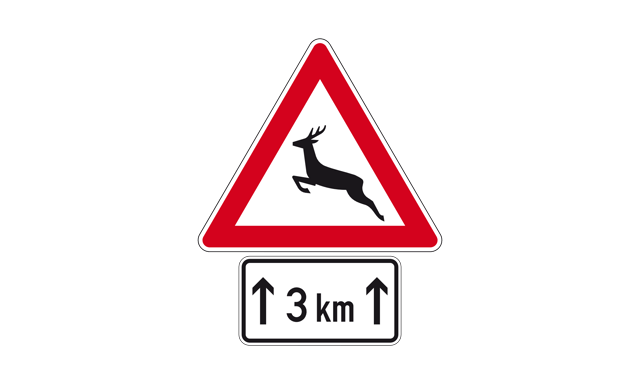
Explicación
Attention wild animals crossing: This sign is set up on routes, where a lot of wild animal accidents happened already. As soon as you see this sign, you should reduce the speed and be ready to brake. Pay particular attention to the roadside. If you see an animal, you should brake and dim. If game suddenly jumps in front of you, you should make an emergency brake. Avoid dodging, because then you might get into the oncoming lane.
-
Pregunta 4 de 4
¿Con qué debería contar ante esta señal de tráfico?
2.4.40-0073 puntos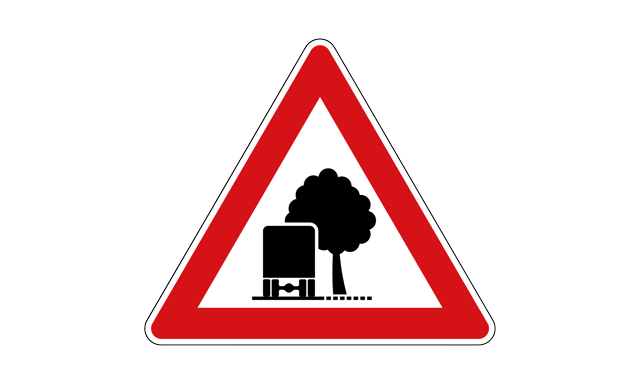
Explicación
Because of trees, tall vehicles can brake suddenly and swerve. Tall vehicles can tear off branches as they pass, and these then lie on the roadway. Be especially attentive.