
2.1.11 Comportamento emotivo affettivo nel traffico stradale
Mantieni la calma, guida in modo difensivo, evita l'aggressività e dai sempre priorità alla sicurezza rispetto alle emozioni o alla pressione del tempo.
😌 Mantieni la calma ed evita l'aggressività
✔ Buon comportamento
- Mantieni una distanza di sicurezza.
- Attendere pazientemente un sorpasso sicuro.
- Lascia passare i guidatori aggressivi.
- Guida con calma anche quando sei irritato.
- Aspettatevi errori dagli altri.
❌ Comportamento pericoloso
- Tailgating
- Usare le luci del flash in modo aggressivo
- Suonare il clacson per la rabbia
- Corse su strada
- Sorpasso rischioso
🧠 Le emozioni influenzano la guida
Rabbia, stress, paura, tristezza o eccitazione può distrarti e portare a una guida rischiosa.
Se sei emotivamente turbato, fermati in un posto sicuro, calmati e continua più tardi.
Non guidare mai subito dopo una discussione o una situazione emotiva.
😴 Stanchezza e microsonno
Segni di stanchezza
- Sbadigliare spesso
- Occhi pesanti
- Corsia alla deriva
Rischi
Gli automobilisti stanchi reagiscono più lentamente e commettono più errori.
Cosa fare
Fermati, riposati, cammina un po' e prosegui solo quando sei riposato.
🚗 Sorpasso sicuro
Non sorpassare mai quando la visibilità è limitata (curve, corsia opposta poco chiara).
Supera solo quando è completamente sicuro e puoi vedere chiaramente la strada da percorrere.
Non esercitare pressione sui veicoli più lenti con i fari o con il portellone posteriore.
🧑 Giovani Conducenti & Rischi
Problemi comuni
- Mettersi in mostra
- Guidare troppo velocemente
- Sopravvalutare le competenze
- Incidenti di guida notturni
La migliore soluzione
Guida in modo difensivo ed evita rischi inutili.
🚘 Gestione dei tailgater
Mantieni la calma e mantieni la velocità in sicurezza.
Spostarsi sulla corsia di destra quando possibile e lasciare passare il conducente aggressivo.
NON frenare all'improvviso, suonare il clacson in modo aggressivo o cercare di "dare loro una lezione".
⚡ Velocità e pressione del tempo
La pressione del tempo aumenta l’assunzione di rischi e provoca un eccesso di velocità.
Rispettare sempre i limiti di velocità e guidare con prudenza.
↔ Cambi di corsia
I frequenti cambi di corsia aumentano il rischio di errori e incidenti.
Cambiare corsia di solito fa risparmiare pochissimo tempo.
📝 Regole facili per la memoria
Domande di Pratica (25)
-
Domanda 1 di 25
Dopo aver seguito a lungo un altro veicolo su una strada principale, finalmente riesci a sorpassare un'auto che procede molto lentamente. Cosa dovresti fare?
2.1.11-0084 PuntiSpiegazione
You should stay calm in this situation and overtake with a sufficient safety distance without endangering other road users. Harassing others by tightly cutting them should be avoided. Otherwise an accident could occur.
-
Domanda 2 di 25
Il veicolo che ti precede ti impedisce di sorpassare da un po' di tempo. Qual è la procedura corretta?
2.1.11-0094 Punti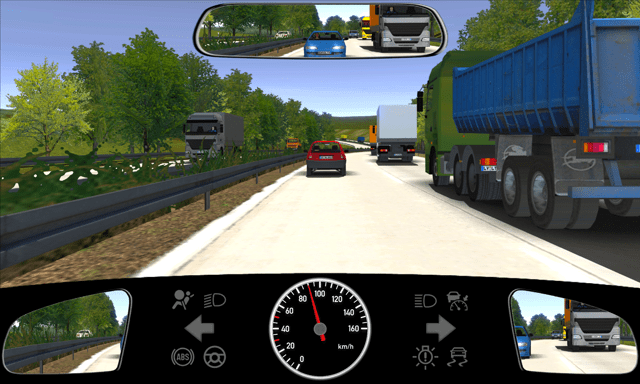
Spiegazione
The car driver has to wait until overtaking is possible without danger and always maintain the necessary safety distance to the vehicle in front. Stay calm, because tailgating, turning the headlights on full beam for a long time or honking is considered coercion and will be punished with fines or even a withdrawal of your driving license.
-
Domanda 3 di 25
A cosa bisogna prestare attenzione quando si guida un'auto dopo una lunga giornata di lavoro?
2.1.11-0123 PuntiSpiegazione
After a long day at work, you are usually not fully productive and get tired faster. That's why mistakes while driving can increase and your concentration decreases.
-
Domanda 4 di 25
Come si riconosce un buon guidatore?
2.1.11-0134 PuntiSpiegazione
A good driver always takes care to act in partnership and also knows that people can make mistakes.
-
Domanda 5 di 25
L'auto [rossa] davanti a te sta procedendo lentamente da un po' di tempo. Qual è la procedura corretta da seguire in questa situazione?
2.1.11-0144 PuntiSpiegazione
You maintain your speed so as not to tailgate and keep the required safe distance. It is forbidden to tailgate, tailgate too closely or honk your horn in traffic. The road is clear, but you can only see as far as the next bend. The visible distance is too short for an overtaking manoeuvre.
-
Domanda 6 di 25
Quali sono le cause più frequenti degli "incidenti in discoteca" tra i giovani?
2.1.11-0154 PuntiSpiegazione
Young drivers in particular have less driving experience and a higher willingness to take risks through showing off. Dangerous situations are assessed more poorly and accidents occur more frequently. A defensive driving style can prevent accidents.
-
Domanda 7 di 25
Perché guidare sotto pressione e con poco tempo a disposizione può essere pericoloso?
2.1.11-0164 PuntiSpiegazione
When you are under time pressure, you may underestimate dangers because your willingness to take risks increases and people often drive too fast. You should still drive defensively and stick to the speed limits to avoid endangering yourself and others.
-
Domanda 8 di 25
Ti trovi su una strada fuori dai centri abitati e un'auto davanti a te sta procedendo a una velocità molto inferiore a quella consentita e alla sua capacità. Qual è la procedura corretta da seguire?
2.1.11-0174 PuntiSpiegazione
Even if you don't like it, you must adapt your speed to that of the car and not get too close to it. Only overtake at a suitable place and not in front of it. Do not endanger yourself or others.
-
Domanda 9 di 25
Perché non è consigliabile cambiare corsia frequentemente?
2.1.11-0183 PuntiSpiegazione
Every lane change requires certain activities: observing traffic, flashing, changing the lane yourself. In this case, other road users can be overlooked and endangered. Changing lanes often doesn't save you much time, but the more often you change lanes, the more likely you are to make mistakes.
-
Domanda 10 di 25
Hai evitato per un pelo un incidente stradale grazie a una frenata d'emergenza. Ti tremano le mani e le ginocchia. Qual è la procedura corretta da seguire?
2.1.11-0193 PuntiSpiegazione
Stop at the next opportunity and take a break until you have calmed down. Maybe you can get out, walk a few metres and take a deep breath. You should also go through the situation again in your head later, as you may realise what didn't go perfectly. That way you can adjust your driving behaviour in the future.
-
Domanda 11 di 25
Mentre guidi, ti irriti molto per il comportamento di un altro utente della strada. Qual è la cosa giusta da fare ora?
2.1.11-0203 PuntiSpiegazione
It is important that you are not distracted by the traffic if you are annoyed by the behaviour of other drivers, because road safety is paramount. Concentrate on the traffic and continue driving calmly; if you are emotionally agitated while driving, you could overlook dangers. If necessary, take a break and only continue driving when you have calmed down.
-
Domanda 12 di 25
Dopo averti sorpassato, un'auto rientra in corsia senza lasciare spazio sufficiente davanti a te. Cosa dovresti fare?
2.1.11-1184 PuntiSpiegazione
The car driver in the overtaking vehicle shows a misconduct that should not disturb you. Stay calm, do not honk and do not turn on the flash light. Decelerate slightly and restore the required safety distance between the vehicles.
-
Domanda 13 di 25
Il rischio di causare un incidente stradale è significativamente più elevato per i conducenti di età compresa tra i 18 e i 24 anni. Quali sono i motivi più frequenti in questo caso?
2.1.11-1194 PuntiSpiegazione
Young car drivers often have too little experience to be able to correctly assess road traffic risks. They often drive carelessly and riskily, overestimate their abilities and rely on the safety of the vehicles they control. By testing their car and their own driving skills, they sometimes get into unmanageable situations.
-
Domanda 14 di 25
Mentre sei bloccato nel traffico, guardando nello specchietto retrovisore vedi un motociclista che "zigzaga" tra le auto ferme. Cosa dovresti fare?
2.1.11-1204 PuntiSpiegazione
Under no circumstances should you act illegally just because another road user violates applicable rules. It is forbidden for you as a car driver to honk in this situation, to stop the motorcyclist or to let him pass.
-
Domanda 15 di 25
Stai guidando su una strada principale e un'auto che ti segue ti sta tallonando. Come dovresti reagire?
2.1.11-1214 PuntiSpiegazione
When driving on a highway and being harassed by the car behind you, you should keep calm and control your speed at an appropriate pace. You should avoid slow driving so as not to hinder the flow of traffic. However, you should also not be tempted to drive faster. It's best to let the pushy driver pass at the next opportunity.
-
Domanda 16 di 25
Cinque giovani amici stanno andando in macchina a un evento ricreativo. L'atmosfera è euforica. A quali rischi può comportare questa situazione?
2.1.11-1234 PuntiSpiegazione
For the car driver, there is a risk of getting carried away by the mood. He/She can be distracted by the others and overlook traffic hazards and make driving mistakes. It is recommended to set up rules of conduct for the passengers before starting the journey. So, the car driver is not a spoilsport or tempted in any way.
-
Domanda 17 di 25
Vuoi sorpassare. Perché non dovresti farlo?
2.1.11-1254 PuntiSpiegazione
A car driver may only overtake if he/she can see that the opposite lane is free. In this situation, the oncoming traffic cannot be seen, so you must not overtake.
-
Domanda 18 di 25
Eri di cattivo umore prima di iniziare il viaggio. Quali conseguenze dovresti evitare mentre guidi?
2.1.11-1264 PuntiSpiegazione
Anything that could negatively affect your safe driving should be avoided. Besides distractions, this also includes aggressiveness. If you're upset, do not get behind the wheel immediately afterwards.
-
Domanda 19 di 25
Qual è il segno distintivo di un guidatore responsabile?
2.1.11-1273 PuntiSpiegazione
A responsible car driver expects mistakes from other road users and does not sit behind the wheel while he/she is very tired or cannot control his/her feelings. Furthermore, he/she does not always insist on his right and cannot be distracted.
-
Domanda 20 di 25
Quali emozioni possono influenzare il comportamento alla guida?
2.1.11-1284 PuntiSpiegazione
Strong emotions such as anger, fear and sadness as well as joy and exuberance usually influence the driving behavior. They distract the car driver from the road and often lead to risky, aggressive or over-cautious driving. Only when you're calm and balanced you should participate in traffic.
-
Domanda 21 di 25
Quali sono i segnali che indicano la necessità di interrompere il viaggio?
2.1.11-1294 PuntiSpiegazione
Brief microsleep often causes devastating accidents. If you have to yawn frequently, can barely keep your eyes open, or have trouble keeping your lane, you should stop your journey and take a rest.
-
Domanda 22 di 25
Il tuo passeggero desidera discutere di qualcosa con te durante il viaggio. Cosa dovresti fare?
2.1.11-1304 Punti -
Domanda 23 di 25
Durante il viaggio, un passeggero ti segnala che stai ripetutamente tallonando la tua auto. Cosa dovresti fare?
2.1.11-1314 PuntiSpiegazione
You should take the safety advice of passengers seriously. Keep a larger distance. Within built-up areas, the distance to the vehicle in front should be at least three car lengths or approx. 15 m. Outside built-up areas, you should follow the "two-second rule of thumb".
-
Domanda 24 di 25
A un semaforo rosso in una zona residenziale, un altro automobilista sembra volerti provocare per iniziare una gara clandestina. Cosa dovresti fare?
2.1.11-1324 PuntiSpiegazione
Don't be provoked and stay calm. Since road races are strictly prohibited, you should not pay attention to this behavior.
-
Domanda 25 di 25
Quali sono le cause più frequenti degli "incidenti in discoteca" tra i giovani?
2.1.11-1334 PuntiSpiegazione
Young drivers in particular have less experience driving at night with crowded vehicles. In addition, the risk of accidents increases due to distracting passengers.